









Case study · Agrifood
Regenerative agriculture for cereals, validated by data
Scientific monitoring across 60 hectares of cereals at the Colussi experimental farm to validate regenerative agriculture practices before extending them to the national supply chain of the Misura and Agnesi brands.

The cereal supply chain between yields and soil loss
Intensive cereal farming is among the crops with the greatest impact on biodiversity: extensive monocultures, simplified rotations and deep ploughing degrade the biological structure of the soil, reduce habitats for pollinators and wildlife, and deplete the ecosystem services on which productivity itself depends. Regenerative agriculture proposes a reversal of this model, but to extend it to a national supply chain, experimental evidence is needed, not estimates.
The challenge
An experimental laboratory to validate regenerative practices before scaling
Colussi aims for a resilient cereal chain with Misura and Agnesi: it needed to validate regenerative practices on a pilot site before scaling to 5,014 hectares. Comparable data were needed to measure the effect on biodiversity, soil and climate, and a replicable model to update guidelines scientifically.
What we did
Satellite and field data across three experimental fields
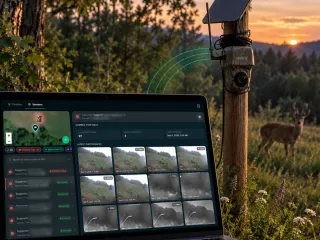
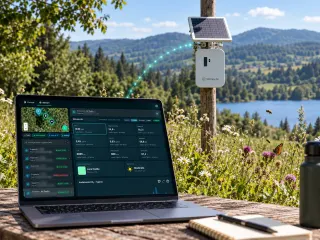
The pilot project (2024-2027) builds an ecological baseline to measure impact on biodiversity, climate and soil. XNatura designed a satellite and bioacoustic monitoring system with IoT sensors for real-time field data.
How we did it
From satellite to Colussi's experimental fields
A multi-year project integrating satellite analysis, acoustic sensors and site-control comparison to validate regenerative practices with scientific data before extending to the national supply chain.
- 01Ecological assessment of the 60 experimental hectaresSatellite analysis mapped the 60 hectares of the three experimental fields and a control area, producing the baseline of biodiversity indices: MSA, NDVI, nectar potential, land cover, climate risks and hydrogeological risk. These data define the starting point for the five-year monitoring.
- 023 Spectrum in the experimental cereal fieldsThe 3 Spectrum sensors were positioned in the three experimental cereal fields to continuously detect the presence and acoustic diversity of pollinators. The distribution allows comparison of pollinator communities between plots with different regenerative practices and tracking of seasonal dynamics in relation to crop cycles.
- 03Regenerative vs conventional in cerealsSatellite data and sensor data were integrated to compare the ecological conditions of the estate with the control area. The site-control comparison quantifies the difference in terms of MSA, nectar potential, pollinator diversity and land cover, documenting with scientific evidence the effect of regenerative practices on cereal biodiversity.
- 04From the experimental site to the national supply chainData flows into the XNatura Environmental Platform, where Colussi monitors the evolution of biodiversity in the experimental fields. The five-year goal is to build a validated replicable model to extend regenerative practices to the 5,014 hectares of the national supply chain of the Misura and Agnesi brands.
What the data says
Data from the experimental fields
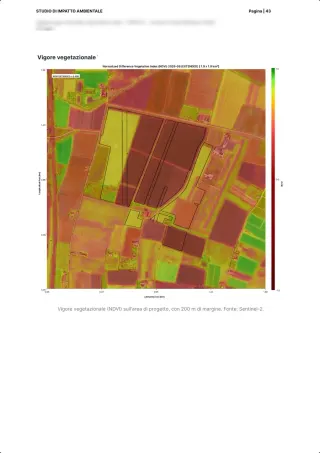
The site's average annual NDVI is 0.47, a key indicator for evaluating the effectiveness of regenerative practices. NDVI measures vegetation vitality from satellite: higher values indicate greater soil cover, active photosynthesis and protection from erosion. In a conventional cereal context, the soil remains bare for months after summer harvest (NDVI 0.10–0.15 between July and August), losing organic matter, moisture and capacity to host biodiversity. Regenerative agriculture aims to increase average annual NDVI through cover crops, diversified rotations and reducing periods of exposed soil. An average NDVI of 0.47 represents the starting point of five-year monitoring: its trend over time will document whether regenerative practices are actually improving soil health and vegetation cover.
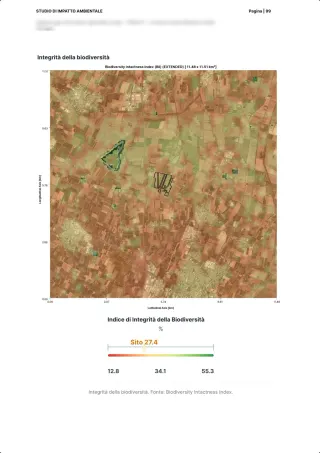
The 3 Spectrum monitored 14,500 pollinators (including 1,445 in the most recent session), identifying 18 distinct clusters. The site's MSA Land Use index is 12.1, a value reflecting the reality of a site with 99.7% agricultural land use. The plant component records MSA 6.7 (site) versus 18.2 (control), consistent with cereal dominance and the absence of permanent spontaneous vegetation. The animal component reaches MSA 37 (site) versus 44.9 (control), indicating that despite the simplified landscape, a pollinator community is present and monitorable. This low value is the starting point of five-year monitoring: the goal is to verify whether regenerative practices can improve it year after year.
Monitoring in action
Monitoring in action
Key sections of the XNatura Environmental Platform dedicated to Colussi.
The platform
Access the XNatura Environmental Platform
The platform with which Colussi monitors the biodiversity of its experimental fields and tracks the evolution of regenerative practices with time-comparable data.
Log in to the platform →
FAQ
Frequently asked questions
What was the environmental challenge at Colussi?
The cereal supply chain between yields and soil loss. Intensive cereal farming is among the crops with the greatest impact on biodiversity: extensive monocultures, simplified rotations and deep ploughing degrade the biological structure of the soil, reduce habitats for pollinators and wildlife, and deplete the ecosystem services on which productivity itself depends. Regenerative agriculture proposes a reversal of this model, but to extend it to a national supply chain, experimental evidence is needed, not estimates.
What method did XNatura use at Colussi?
A multi-year project integrating satellite analysis, acoustic sensors and site-control comparison to validate regenerative practices with scientific data before extending to the national supply chain.
What data came out of the Colussi project?
The site's average annual NDVI is 0.47, a key indicator for evaluating the effectiveness of regenerative practices. NDVI measures vegetation vitality from satellite: higher values indicate greater soil cover, active photosynthesis and protection from erosion. In a conventional cereal context, the soil remains bare for months after summer harvest (NDVI 0.10–0.15 between July and August), losing organic matter, moisture and capacity to host biodiversity. Regenerative agriculture aims to increase average annual NDVI through cover crops, diversified rotations and reducing periods of exposed soil. An average NDVI of 0.47 represents the starting point of five-year monitoring: its trend over time will document whether regenerative practices are actually improving soil health and vegetation cover. The 3 Spectrum monitored 14,500 pollinators (including 1,445 in the most recent session), identifying 18 distinct clusters. The site's MSA Land Use index is 12.1, a value reflecting the reality of a site with 99.7% agricultural land use. The plant component records MSA 6.7 (site) versus 18.2 (control), consistent with cereal dominance and the absence of permanent spontaneous vegetation. The animal component reaches MSA 37 (site) versus 44.9 (control), indicating that despite the simplified landscape, a pollinator community is present and monitorable. This low value is the starting point of five-year monitoring: the goal is to verify whether regenerative practices can improve it year after year.
What access does Colussi have to the XNatura platform now?
The platform with which Colussi monitors the biodiversity of its experimental fields and tracks the evolution of regenerative practices with time-comparable data.
Do you want to measure the biodiversity of your cereal supply chain?
XNatura supports farms, supply chains and consortia in biodiversity monitoring with IoT sensors, satellite mapping, site-control comparison and validated scientific protocols.
Do you want to measure the biodiversity of your cereal supply chain?
XNatura supports farms, supply chains and consortia in biodiversity monitoring with IoT sensors, satellite mapping, site-control comparison and validated scientific protocols.
More in Agrifood
 Alce Nero · AgrifoodOrganic at scale, validated by data from eight sitesRead the case study
 Findus · AgrifoodFindus monitors regenerative practices in its vegetable supply chainRead the case study
 Fattoria La Maliosa · AgrifoodVineyard and olive grove biodiversity measured with dataRead the case study