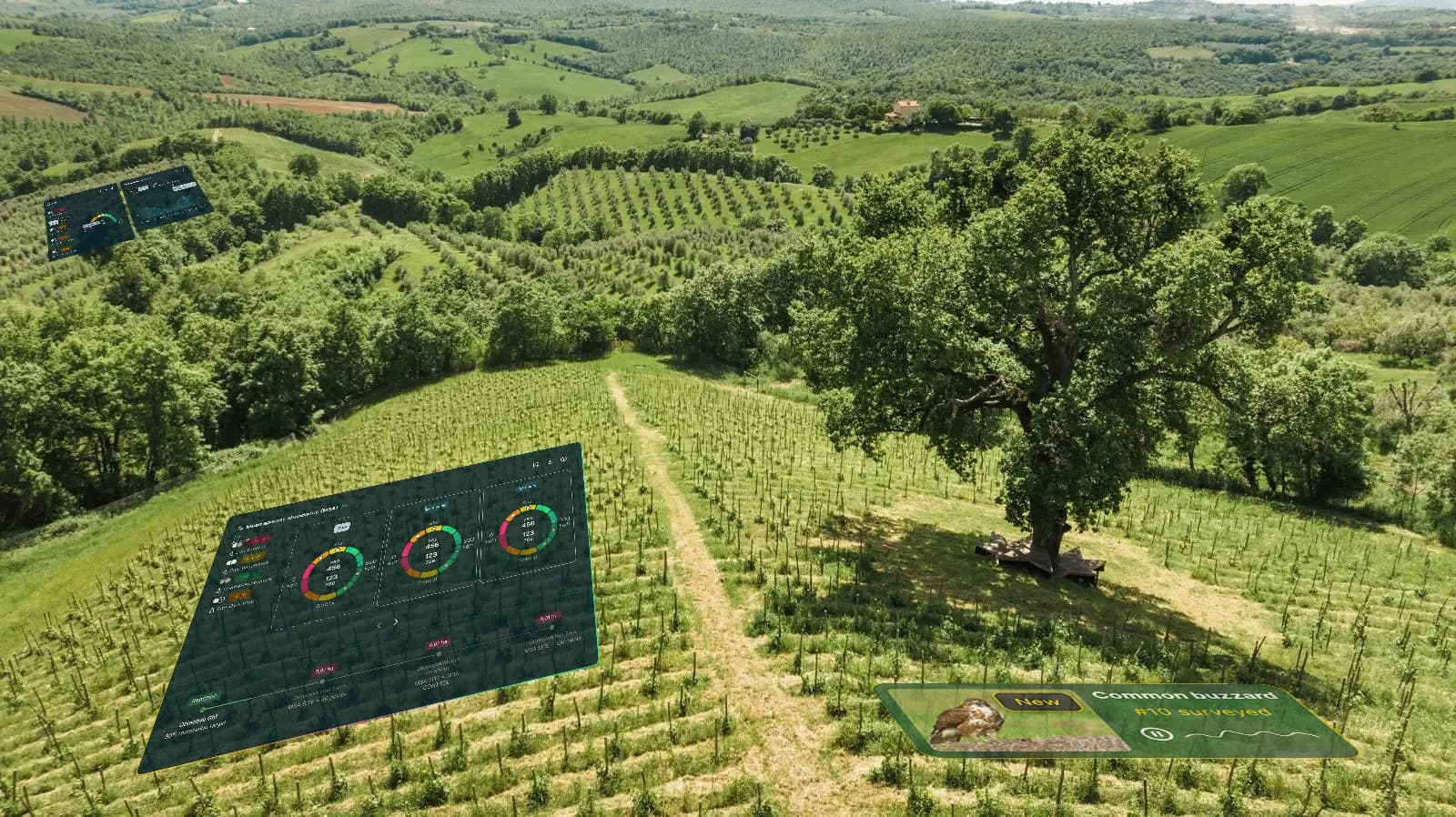
Vineyard and olive grove biodiversity measured with data
Biodiversity monitoring in the vineyards and olive groves of the Tuscan Maremma: Spectrum bioacoustic sensors and satellite mapping to quantify the ecological contribution of regenerative practices and the comparison with surrounding conventional agricultural areas.
monitored
in the site
installed
Vineyards and olive groves depend on the biodiversity that surrounds them
Viticulture and olive growing depend directly on ecosystem services: pollination supports fruiting, soil fauna maintains fertility and soil structure, and natural predators regulate pests. At the same time, these crops face growing risks: climate change alters phenological cycles, increases water stress, and favours pathogens such as Xylella fastidiosa and flavescence dorée. Simplified agricultural landscapes reduce pollinator and beneficial organism diversity, weakening crop resilience.
Measurable evidence to validate regenerative agriculture
La Maliosa cultivates vineyards and olive groves in Maremma using the Corino Method, a regenerative approach, but lacked structured data proving its effect on biodiversity.
Continuous monitoring was needed to build a baseline and compare ecological conditions with surrounding conventional farmland.
Five Spectrum sensors and satellite analysis with site-control comparison
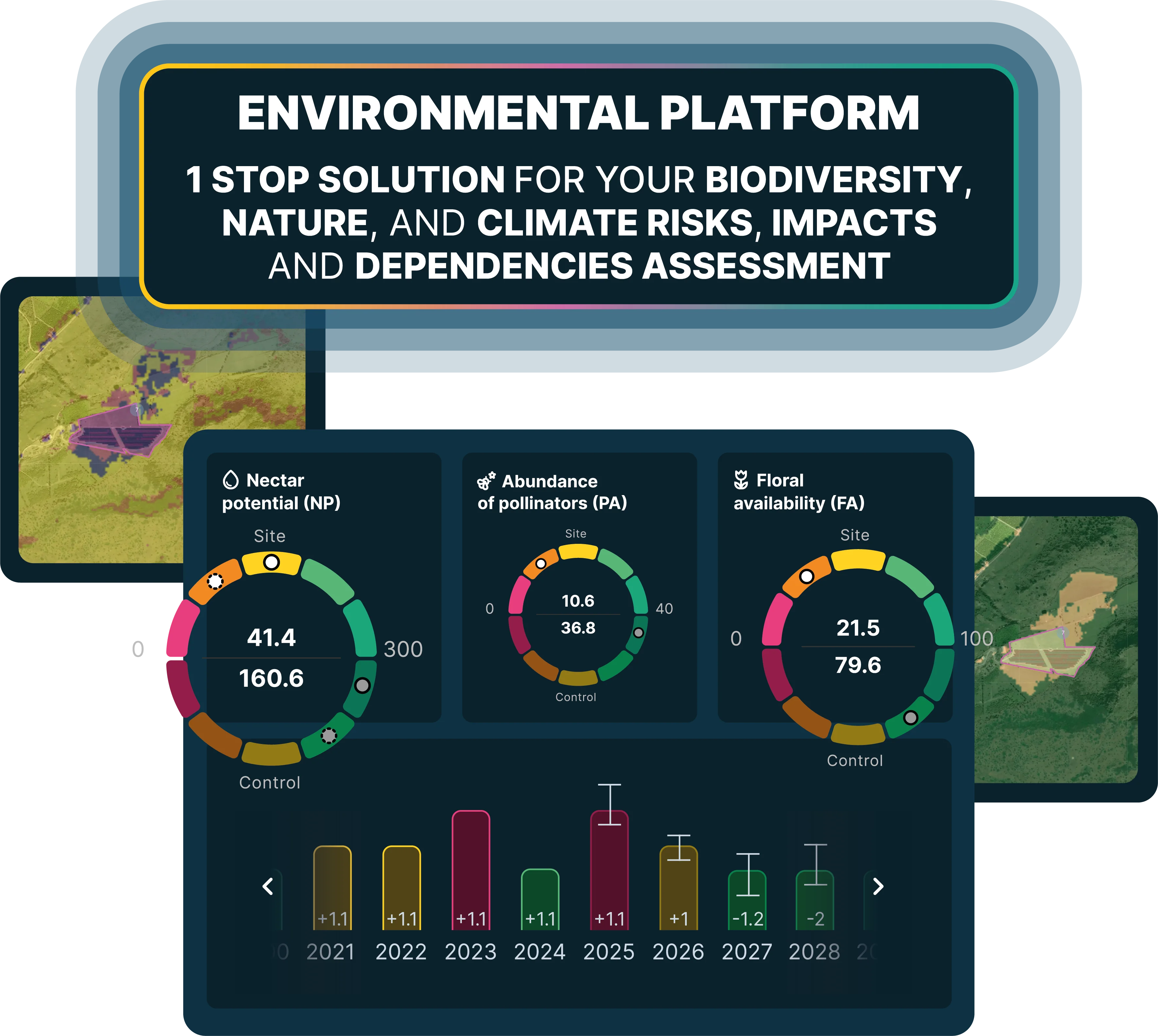
XNatura designed a monitoring system comparing the estate with surrounding territory, with data in the Environmental Platform.
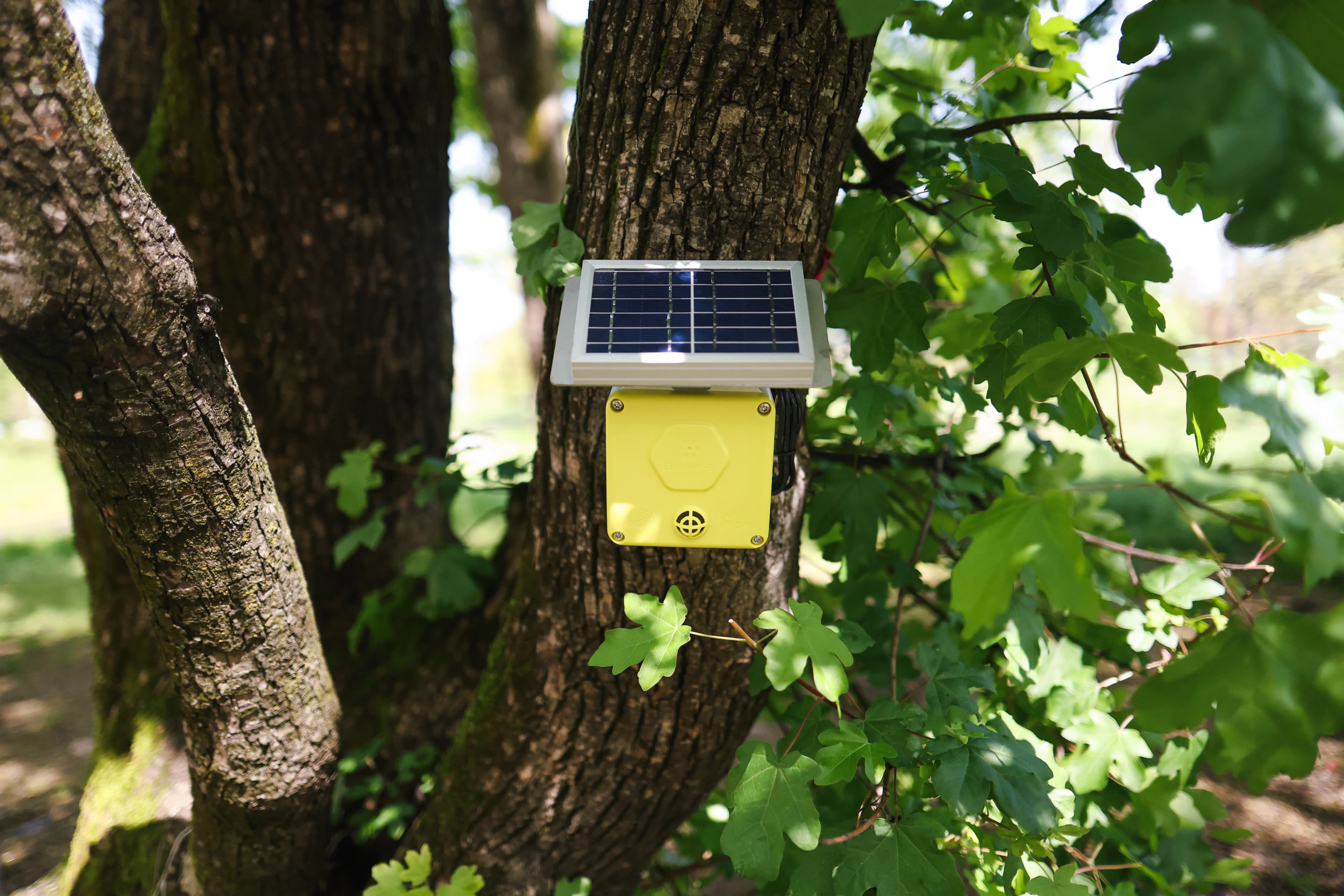
From satellite to the vineyards of the Maremma
A multi-year project integrating satellite analysis, acoustic sensors, and site-control comparison to document the effect of regenerative agriculture on biodiversity.
Ecological assessment of the estate and the control area
Satellite analysis mapped the 165 hectares of the estate and a control area with conventional agriculture, producing the baseline biodiversity indices: MSA (Mean Species Abundance), nectar potential, land cover, drought risk, and hydrogeological risk. These data defined the starting point for the multi-year comparison.
5 Spectrum in the agricultural mosaic
The 5 Spectrum sensors were positioned across the estate's diverse environments to continuously detect the presence and acoustic diversity of pollinators. The distribution covers vineyards, olive groves, woodland areas, and meadows, allowing comparison of pollinator communities across different compartments and tracking seasonal dynamics.
Corino Method vs conventional agriculture
Satellite and sensor data were integrated to compare the ecological conditions of the estate with the control area. The site-control comparison quantifies the difference in MSA, nectar potential, pollinator diversity, and land cover, documenting with scientific evidence the effect of regenerative practices.
From data to scientific storytelling
Data flows into the XNatura Environmental Platform, where La Maliosa monitors biodiversity evolution season by season. The goal is to build a multi-year time series documenting the effect of the Corino Method over time and providing the estate with an evidence-based communication tool for clients, distributors, and certifications.
Data from the Maremma
monitored
identified
site-control
within 10 km of the site
The 5 Spectrum sensors monitored 17,500 pollinators, identifying 19 distinct species clusters. The diversity of pollinator communities reflects the mosaic of environments on the estate, where vineyards, olive groves, woodlands, and meadows managed under the Corino Method provide complementary resources throughout the seasons.
The site-control comparison reveals a delta of +12.60 on the MSA Land Use index: the site achieves an MSA of 71.1 compared to 58.5 for the control area, confirming that the regenerative practices of the Corino Method produce significantly better ecological conditions than the surrounding territory. The presence of 9 protected areas within 10 km of the site places the estate in a context of great naturalistic value, reinforcing its role as a biodiversity hub in the Maremma landscape.
Monitoring in action
Key sections of the XNatura Environmental Platform dedicated to Fattoria La Maliosa.
Biodiversity status
MSA indices, Natural Patches, nectar potential, and site-control comparison across the 165 hectares of the estate.
Microclimate
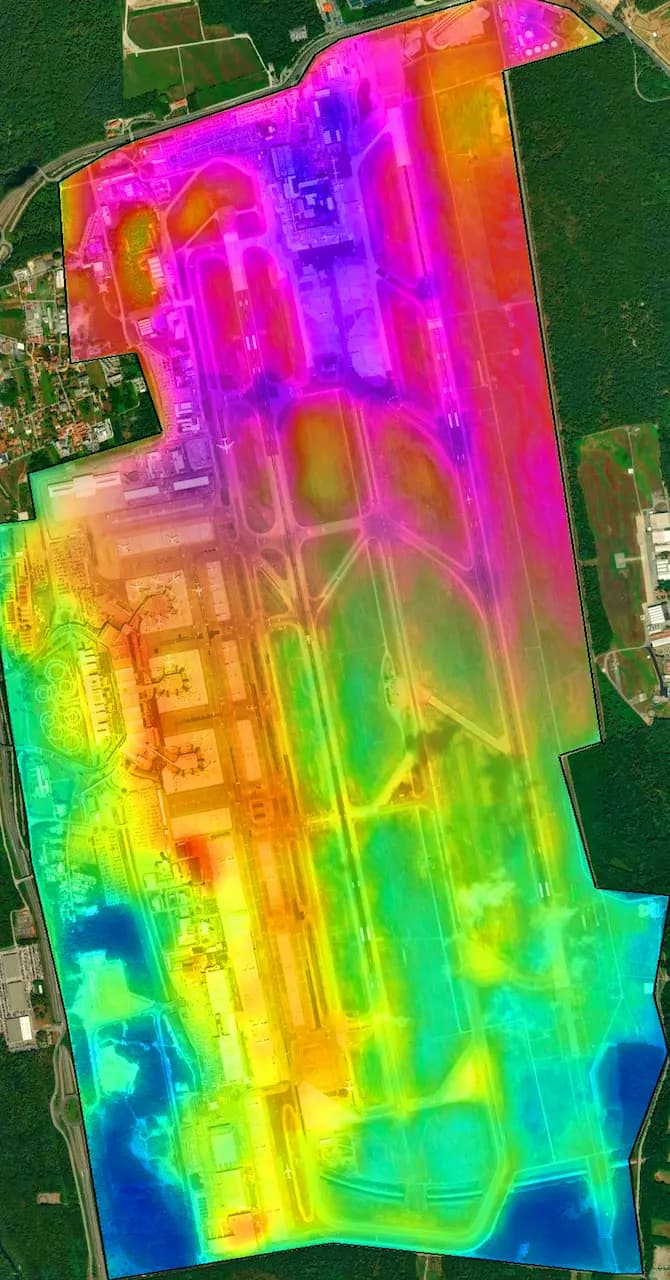
Surface temperature, light pollution, and microclimatic parameters of the Maremma agricultural mosaic.
Drought risk
Aridity indices, water stress, and soil resilience of the estate in relation to climate change in the Maremma hills.
Hydrogeological risk
Flood risk, landslide risk, and hydrogeological analysis of the estate's clay and volcanic soils.
Access the XNatura Environmental Platform
The platform through which Fattoria La Maliosa monitors the estate's biodiversity and documents the effect of the Corino Method with data comparable over time.
Do you want to measure your farm's biodiversity?
XNatura supports farms, supply chains, and consortia in biodiversity monitoring with IoT sensors, satellite mapping, site-control comparison, and validated scientific protocols.
 Contact us for information about the platform or for specialized consulting in the environmental field.