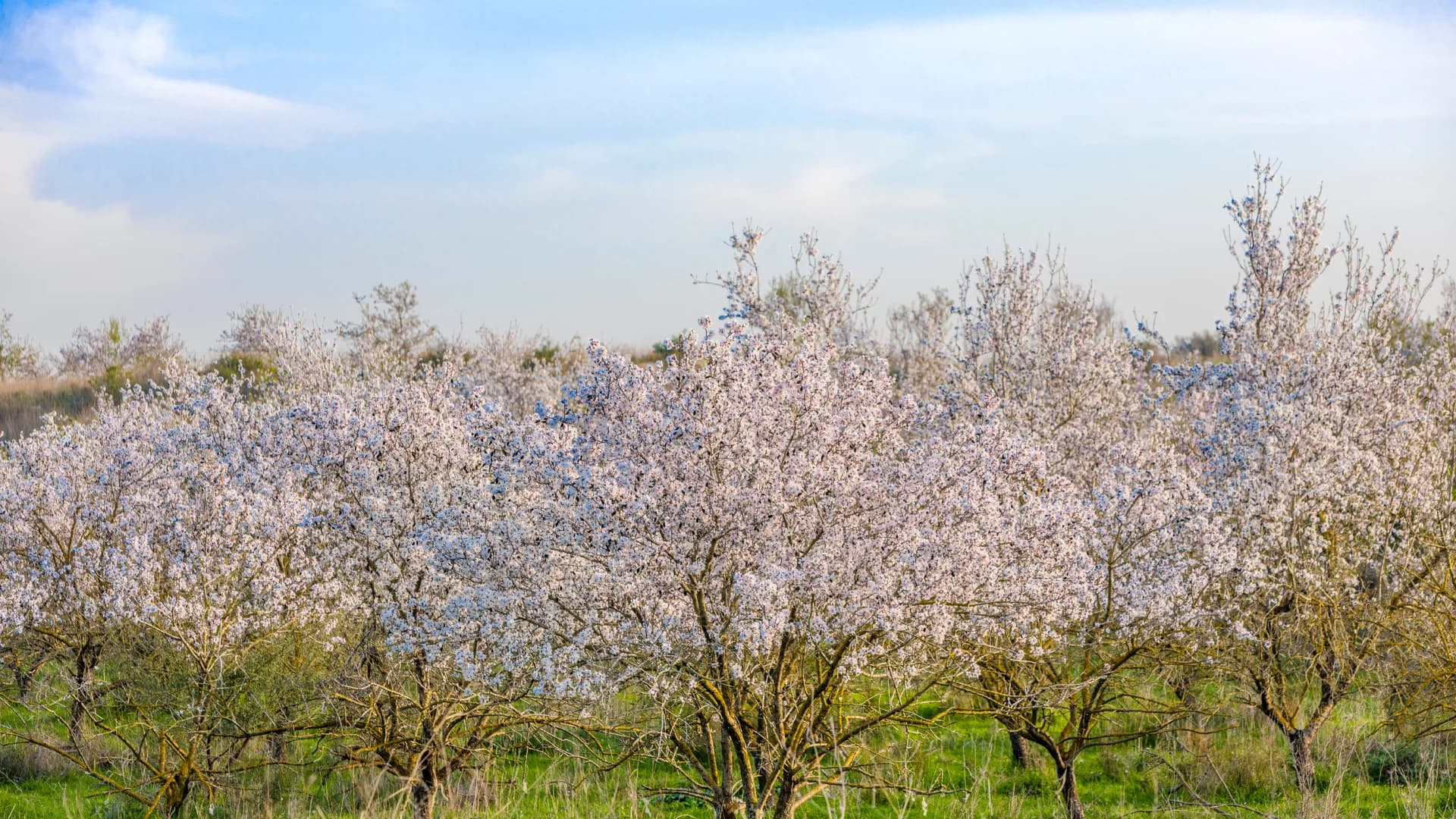
The Amando almond grows in a monitored orchard
Scientific monitoring of a 44-hectare experimental almond orchard in Sicily for the Amando almond supply chain, Sammontana's vegan ice cream made from Sicilian almond milk. Biodiversity and pollinator data to support the Almond Charter with scientific evidence.
monitored
installed
in the site
The Sicilian almond depends on pollinators but reduces the diversity of the ecosystem
The almond supply chain impacts biodiversity through agricultural field management, the reduction of spontaneous vegetation and landscape simplification, which fragment pollinator habitats and reduce species diversity. Intensive land use, irrigation and agricultural treatments modify the microclimate and soil quality, negatively affecting surrounding ecosystems. The sector depends on pollinators and diversified ecosystems to ensure regular flowering, availability of nectar resources and productive stability of crops.
Scientific data from the supply chain to support Amando and the Almond Charter
The Almond Charter lacked a measurable scientific basis: without data on biodiversity, pollinators and farming impact, it was only a statement of intent.
A partner was needed to install a monitoring system in the Amando supply chain, build a baseline and compare the orchard with the surrounding territory.
Satellite and field monitoring in the Amando almond supply chain
XNatura designed monitoring for 44 hectares in Sicily, in 9 polygons, combining satellite analysis and bioacoustic sensors to gather biodiversity data for the Amando supply chain.
From satellite to the Amando almond orchard
A multi-year project integrating satellite analysis, acoustic sensors and site-control comparison to monitor biodiversity in the Amando almond production chain and support the Almond Charter with scientific evidence.
Ecological assessment of the experimental almond orchard
Satellite analysis mapped the 44 hectares of the almond orchard divided into 9 polygons and a control area, producing the biodiversity index baseline: MSA, nectar potential, land cover, climate risks and hydrogeological risk. These data define the starting point for best practice initiatives.
4 Spectrum in the experimental almond orchard
The 4 Spectrum sensors were positioned in the almond orchard to continuously detect the presence and acoustic diversity of pollinators. The distribution enables mapping of the pollinator community across different areas of the site and tracking seasonal dynamics in relation to almond flowering and fruiting.
Almond orchard vs surrounding area
Satellite data and sensor data were integrated to compare the ecological conditions of the estate with the control area. The site-control comparison quantifies the difference in terms of MSA, nectar potential, pollinator diversity and land cover, measuring the ecological status of the almond orchard against the regional benchmark.
From data to the sustainable Amando supply chain
Data flows into the XNatura Environmental Platform, where Sammontana monitors the evolution of the orchard's biodiversity. The goal is to build a time series documenting the health of pollinators and ecosystems on which Amando almonds depend, providing the Almond Charter with updated evidence and consumers with the guarantee of a scientifically monitored supply chain.
Data from the Amando almond orchard
site-control
site-control
monitored
identified
The 4 Spectrum monitored 8,051 pollinators in the almond orchard, identifying 17 distinct species clusters. The presence of a diverse pollinator community is particularly relevant for the Amando supply chain: almonds depend directly on entomophilous pollination, and the health of pollinators in the orchard is a necessary condition for the productivity and quality of the vegan ice cream's raw material.
The site-control comparison reveals a delta of –10.70 on the MSA Land Use index: the site reaches 32.5 versus 43.2 for the control area. The data reflects the monoculture nature of the almond orchard, which penalises the plant component in particular (plant MSA 19.2 on the site versus 46 in the control). The animal component tells a different story: animal MSA 52 on the site versus 61.2 in the control, a much narrower gap confirming that the almond orchard can sustain a significant faunal community. Nectar potential confirms this picture: the site records a delta of +1.80 versus the control (95.2 versus 93.5), indicating that the orchard offers pollinator food resources superior to those of the surrounding area. These data provide the Almond Charter and Amando's communication with a concrete scientific basis.
Monitoring in action
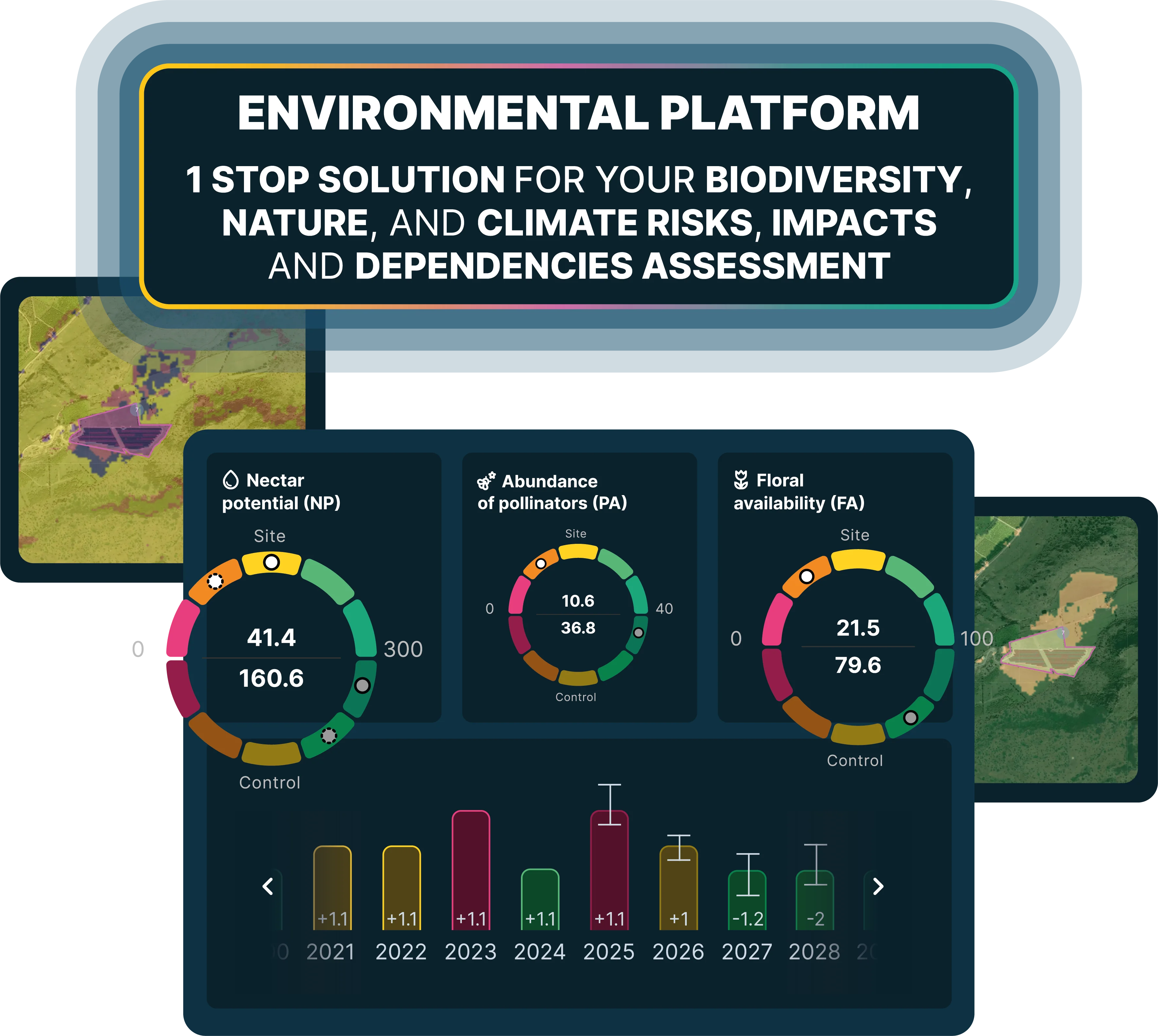
Key sections of the XNatura Environmental Platform dedicated to Sammontana Corporate.
State of biodiversity
MSA indices, Natural Patches, nectar potential and site-control comparison across the 44 hectares of the experimental almond orchard.
Microclimate
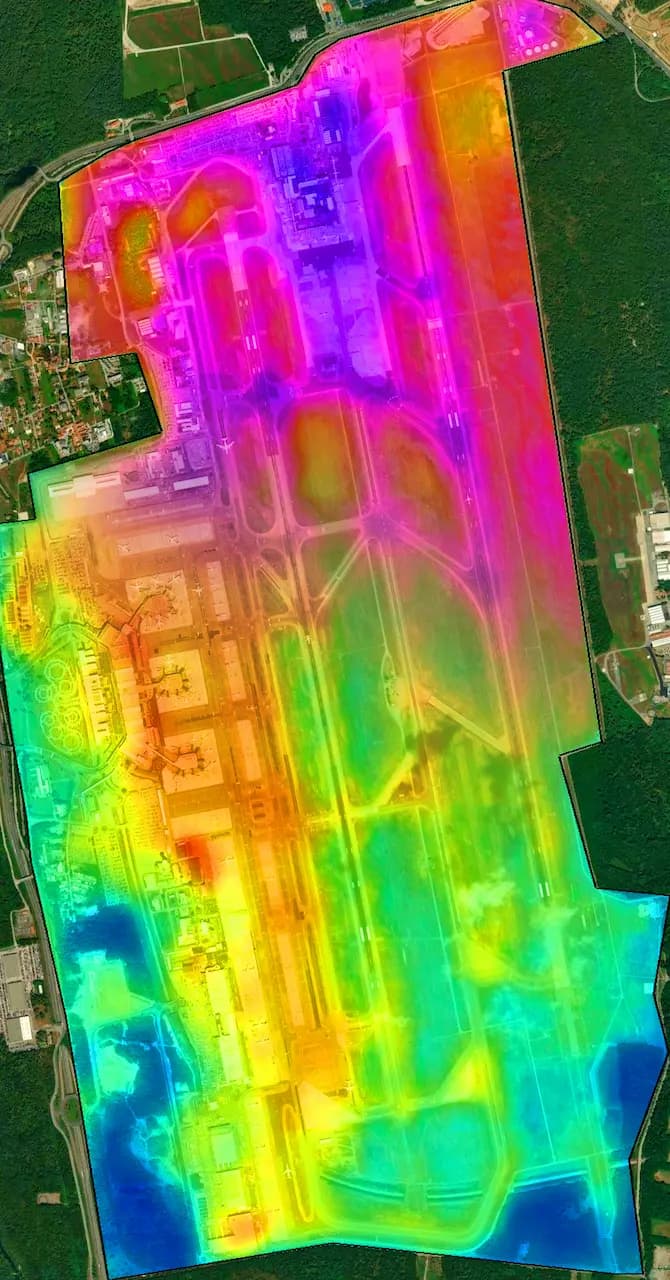
Surface temperature, light pollution and microclimatic parameters of the experimental almond orchard in Sicily.
Drought risk
Aridity indices, water stress and soil resilience of the estate against climate change in the Sicilian almond orchard.
Hydrogeological risk
Flood risk, landslide risk and hydrogeological analysis of the almond orchard terrain in Sicily.
Access the XNatura Environmental Platform
The platform with which Sammontana monitors the biodiversity of the Amando supply chain almond orchard and supports the Almond Charter with data comparable over time.
Do you want to measure the biodiversity of your agricultural supply chain?
XNatura supports farms, supply chains and consortia in biodiversity monitoring with IoT sensors, satellite mapping, site-control comparison and validated scientific protocols.
 Contact us for information about the platform or for specialized consulting in the environmental field.