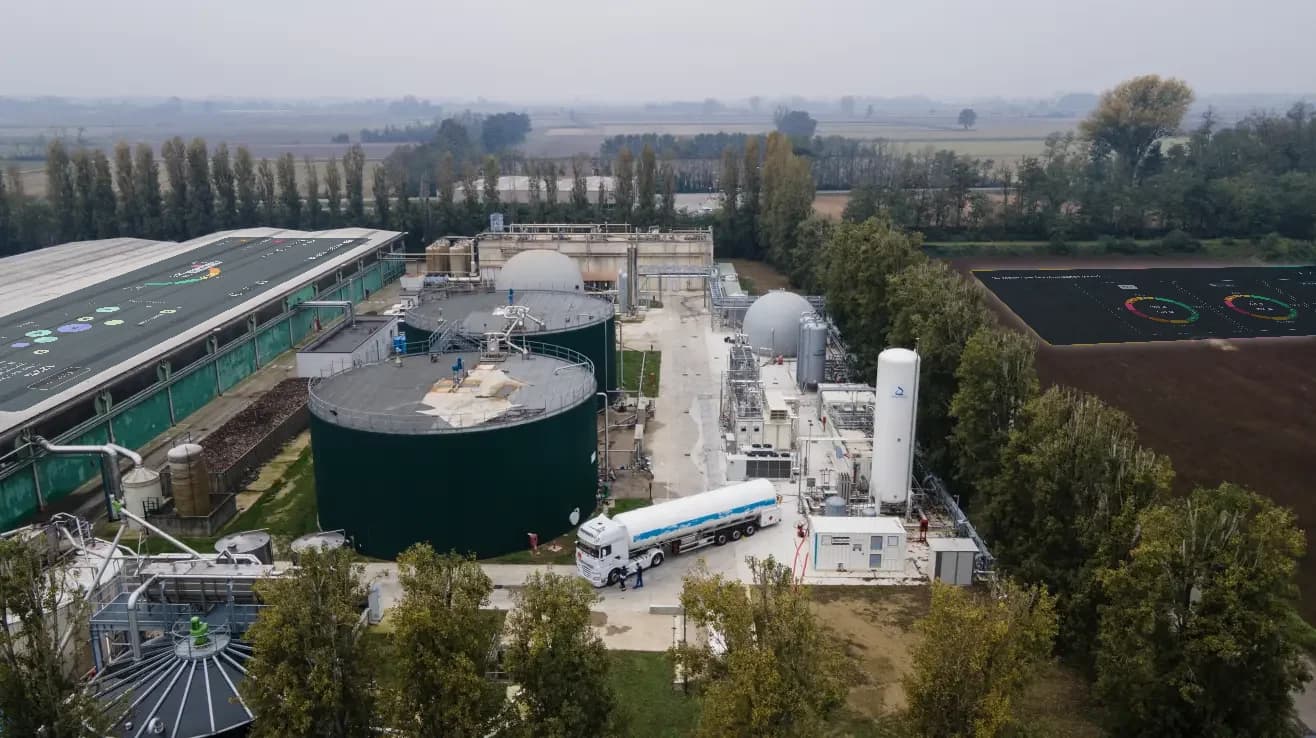
Biodiversity measured next to the biomethane plant
Scientific monitoring of biodiversity and air quality at the BeeNEXT Oasis in Zinasco (PV), where Edison Next created a pollinator habitat next to the biomethane production plant, with IoT sensors, native nectar-bearing plants and entomofauna shelters.
plants
installed
shelters
Biomethane plants: occupied land, local emissions, altered habitats
A biomethane production plant occupies land, generates local emissions of particulate matter and biogas, and modifies surrounding habitats with noise, traffic and soil sealing. Production continuity depends on air quality, the stability of neighbouring ecosystems and the health of pollinators that sustain vegetation in the surrounding area.
Proving the plant preserves the local ecosystem
Edison Next needed scientific evidence to demonstrate that the Zinasco biomethane plant has a limited impact on biodiversity and air quality.
A replicable model was needed for other plants in the group, with data that could be integrated into environmental reporting and corporate communication.
The BeeNEXT Oasis: regeneration and monitoring next to the plant
XNatura responded with the BeeNEXT Oasis at the Zinasco (PV) plant: 3.4 hectares regenerated with nectar-bearing plants and shelters, monitored with IoT sensors and satellite imagery to produce the required evidence.
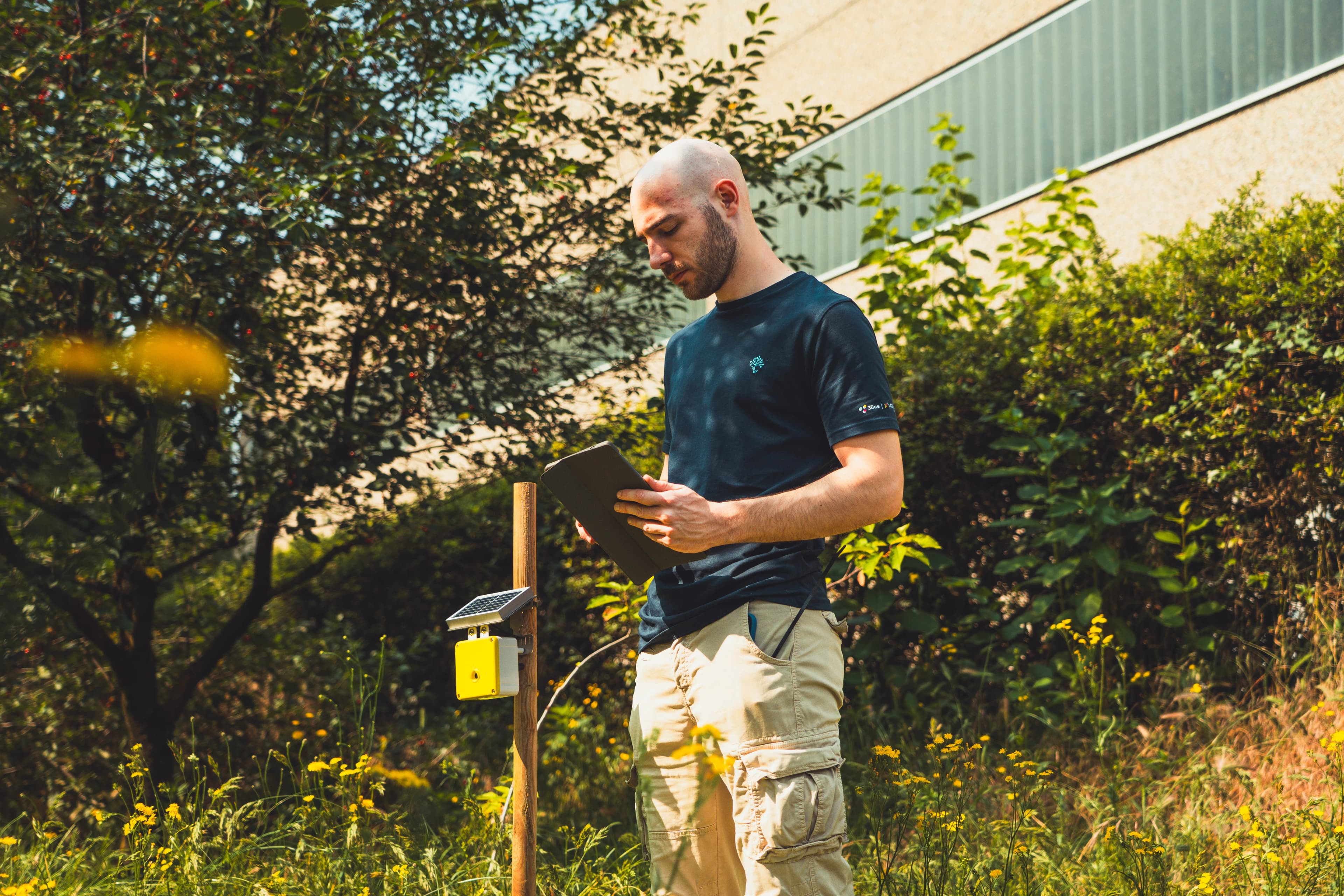
From the plant to the BeeNEXT Oasis
A project that integrates habitat regeneration, IoT sensor technology and satellite analysis to measure biodiversity and air quality at the Zinasco biomethane plant.
Ecological assessment of the site and the control area
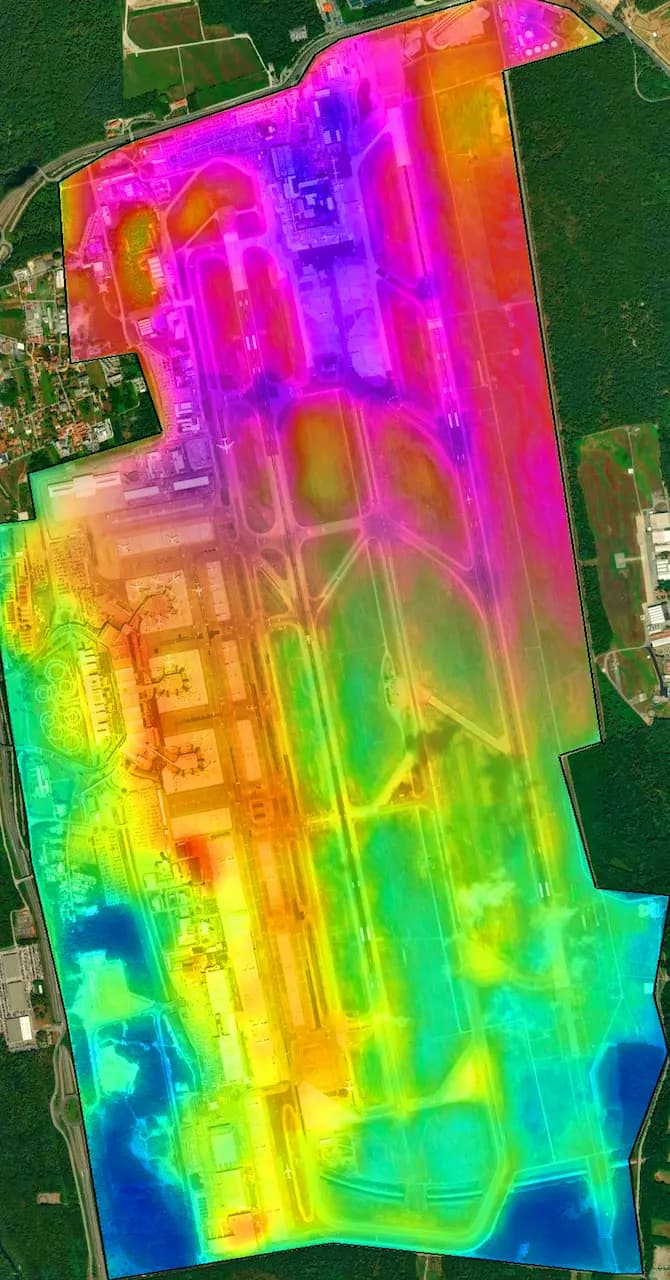
Satellite analysis mapped the 3.4 hectares of the BeeNEXT Oasis and a control area in the surrounding territory, producing the baseline of biodiversity indices including MSA, nectar-bearing potential, land cover, air quality, climate risks and hydrogeological risk. These data define the starting point for measuring the plant's impact and the effectiveness of the regeneration effort.
50 nectar-bearing plants and 7 pollinator shelters
In the green area adjacent to the biomethane plant, 50 nectar-bearing plants of tree and shrub habit belonging to 5 native species were planted, plus shrubs of 10 different species. 7 shelters for wild pollinators were installed, designed to host solitary bees, ladybirds and butterflies.
4 IoT sensors in the BeeNEXT Oasis
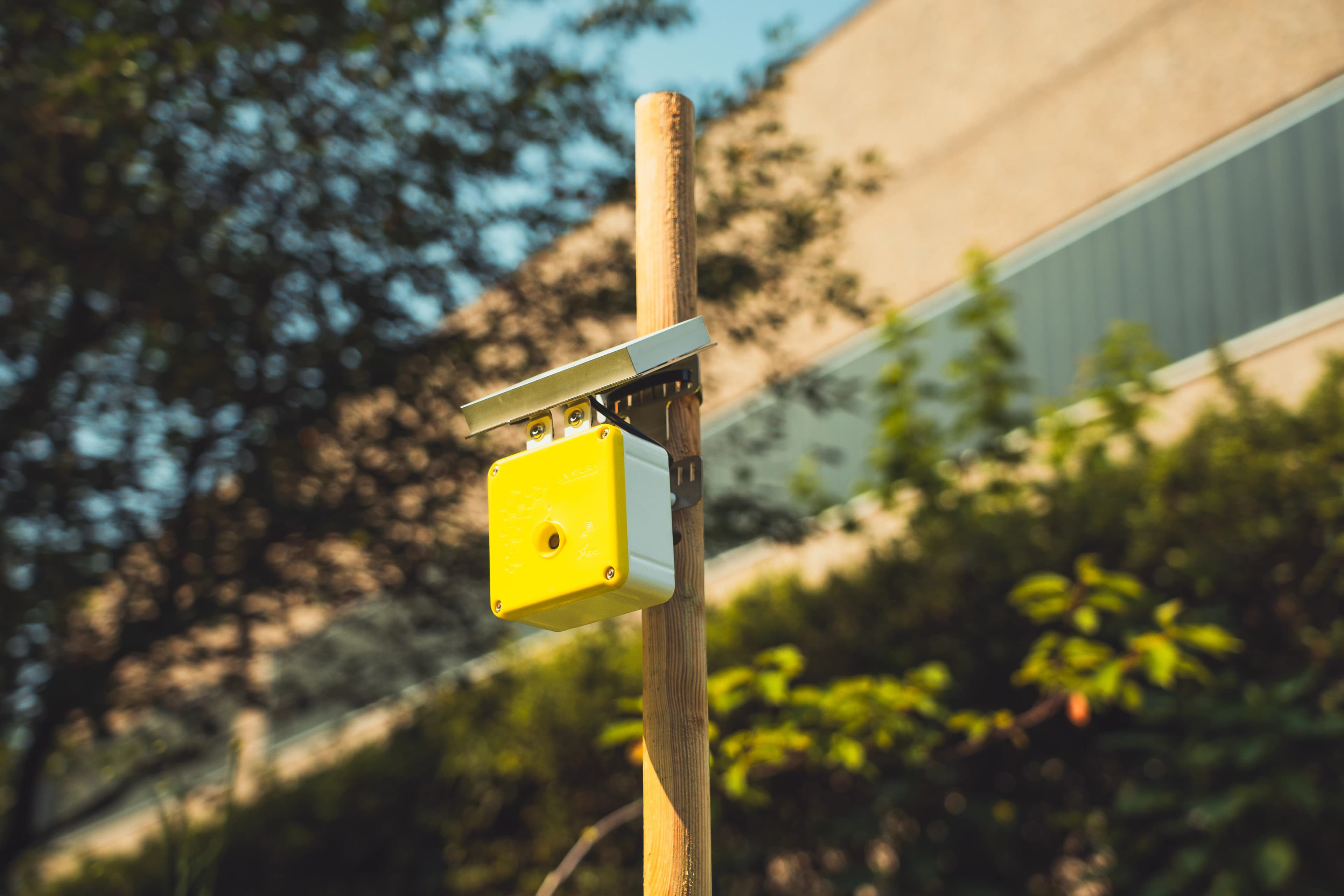
The 4 IoT sensors were installed in the Oasis: Hive-Tech on beehives for colony biomonitoring and environmental anomaly detection, Spectrum for continuous acoustic census of wild pollinators, and PollyX integrated into shelters for air quality monitoring (PM2.5 and PM10).
Plant impact and Oasis status compared to the territory
Satellite and sensor data were integrated to produce the complete picture of the Oasis's biodiversity. The site-control comparison quantified the MSA Land Use delta between the plant area and the surrounding territory, measuring the actual impact and identifying priority areas for regeneration.
From the first Oasis to the BeeNEXT network
Data flows into the XNatura Environmental Platform, where Edison Next monitors the evolution of biodiversity at the Zinasco Oasis. The goal is to build a historical series documenting the effect of regeneration over time and replicate the BeeNEXT model at other plants, transforming energy sites into a distributed network of biodiversity hubs.
Data from the BeeNEXT Oasis in Zinasco
identified
site-control
at the site
at the site
Spectrum identified 15 distinct pollinator clusters in the Oasis, confirming that planting and shelters are creating favourable conditions for entomofauna next to the biomethane plant.
The site-control comparison shows a delta of –6.40 on the MSA Land Use index: the site reaches 13.5 compared to 19.9 in the control area. This figure reflects the plant's impact and defines the baseline for measuring the effectiveness of regeneration over time.
PollyX sensors recorded 15.9 μg/m³ of PM2.5 and 19.7 μg/m³ of PM10, providing Edison Next with a continuous air quality baseline to monitor trends over time.
Monitoring in action
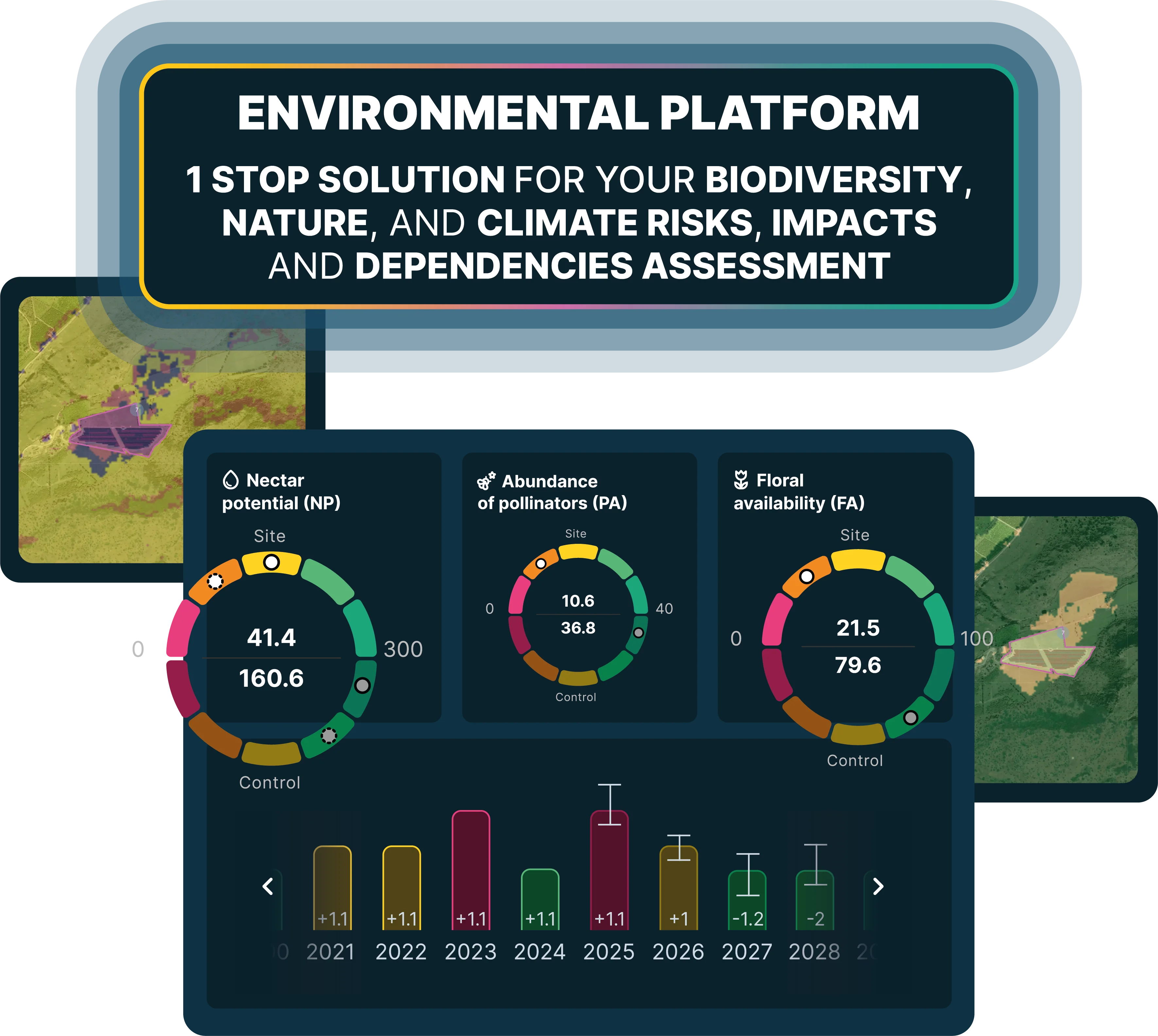
Key sections of the XNatura Environmental Platform dedicated to Edison Next.
Biodiversity status
MSA indices, Natural Patches, nectar-bearing potential and site-control comparison across the 3.4 hectares of the BeeNEXT Oasis in Zinasco.
PM2.5 and PM10
Fine particulate concentrations detected by PollyX sensors in the Oasis, with temporal trends and correlation with plant activities.
Drought risk
Aridity indices, water stress and soil resilience of the BeeNEXT Oasis area in relation to climate change.
Hydrogeological risk
Flood risk, landslide risk and hydrogeological analysis of the Zinasco biomethane plant site.
Access the XNatura Environmental Platform
The platform through which Edison Next monitors biodiversity and air quality at the BeeNEXT Oasis and measures the plant's impact with comparable data over time.
Do you want to measure the biodiversity of your plants?
XNatura supports energy operators, utilities and industrial companies in biodiversity monitoring with IoT sensors, satellite mapping, site-control comparison and validated scientific protocols.
 Contact us for information about the platform or for specialized consulting in the environmental field.