Towards agrivoltaics: biodiversity and energy production
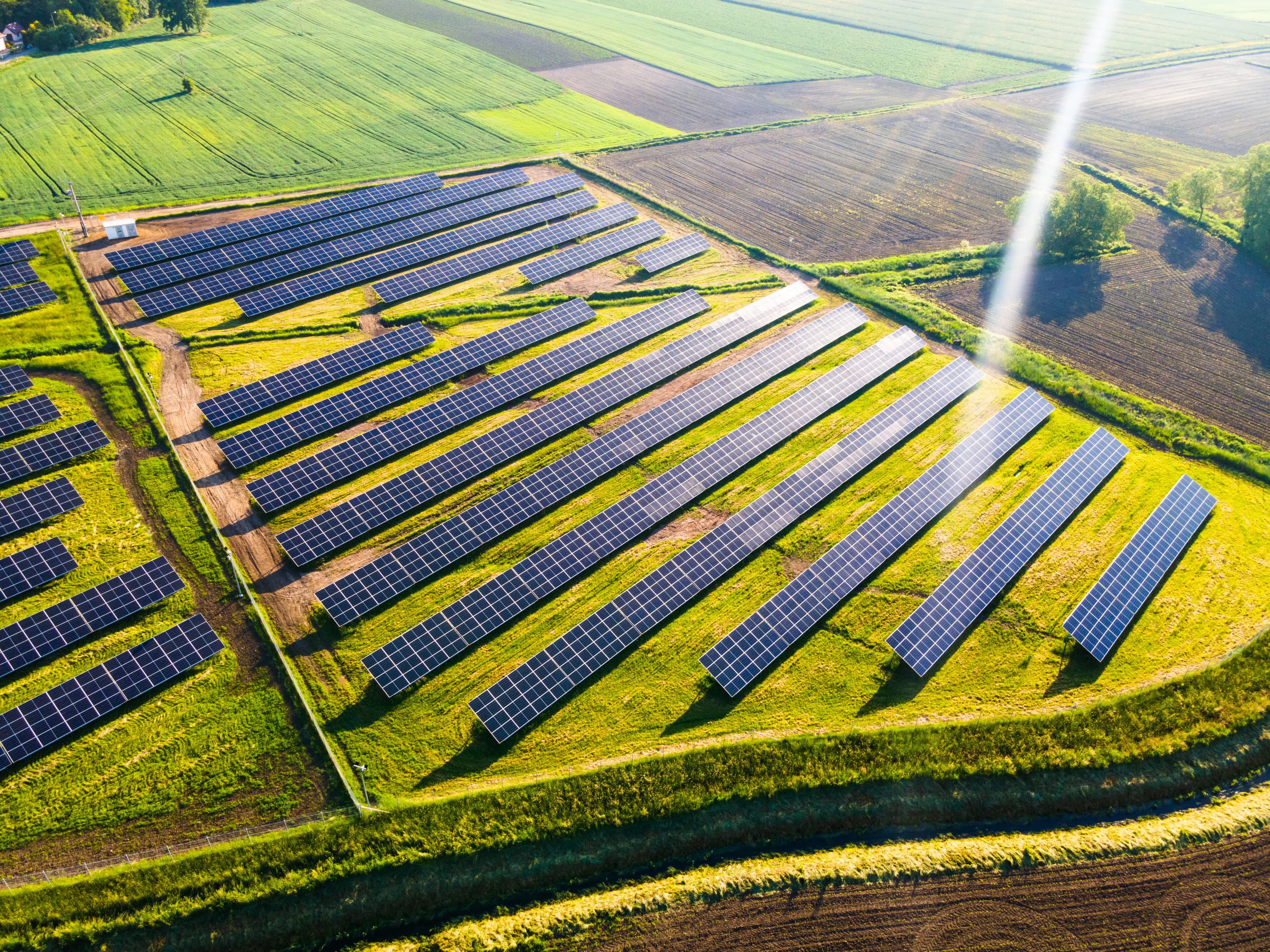
Assessment and monitoring of biodiversity across three agricultural sites in Sicily destined to become agrivoltaic plants. Sensors were installed before the panels to measure the effects of the operation on the ecosystem and pollinators.
monitored
monitored
installed
Agrivoltaics between energy production and biodiversity impact
Agrivoltaic plants modify soil cover, alter the microclimate, and can fragment habitats for pollinators and local wildlife. At the same time, energy production depends on soil stability, water regulation, and the health of surrounding agricultural ecosystems — ecosystem services that require scientific measurement to be managed.
Measuring biodiversity before the panels to document the effects of agrivoltaics
RWE needed an environmental baseline of the Sicilian agricultural sites destined to become agrivoltaic plants, to support permitting.
It was necessary to measure over time the effects of installation on biodiversity and pollinators with real and verifiable data.
Remote assessment and IoT sensors across 176 hectares and three agricultural polygons
From pre-installation monitoring to regeneration
A project that measures biodiversity before the panels to document the effects and guide regeneration.
Environmental baseline of the three agricultural polygons
Satellite imagery analysis produced the baseline of environmental and biodiversity KPIs for each polygon: land use and cover, MSA with site-control comparison, environmental risks, and proximity to protected areas in the surroundings.
Three Spectrum sensors in the polygons before the panels
The 3 Spectrum sensors were installed in the agricultural polygons before the agrivoltaic panel installation, to record the pollinator baseline and compare pre and post installation data. Each sensor continuously monitors the species and pollinator clusters present in the polygon.
Measuring the effects of panels and guiding regeneration
After the agrivoltaic panel installation, monitoring will continue to document the effects on the ecosystem and pollinators. Pre and post installation data, integrated into the XNatura Environmental Platform, will guide recommended regeneration actions and support RWE's ESG communication with measurable evidence.
What emerges from the 176 hectares monitored
site vs control
monitored
identified
within 10 km
The site-control comparison shows a delta of −17 on the MSA Land Use index: the three agricultural polygons reach an average value of 44.5 versus 61.7 for the control area, reflecting the impact of intensive agricultural use on terrestrial biodiversity compared to the surrounding natural context. The 10 protected areas within 10 km of the sites underscore the ecological sensitivity of the territory.
The 3 Spectrum sensors monitored approximately 2,975 pollinators and identified 17 clusters, documenting the diversity and movement dynamics of pollinator populations at the pre-installation sites. These data constitute the baseline for measuring the effects of agrivoltaics on the ecosystem after panel installation.
Monitoring in action
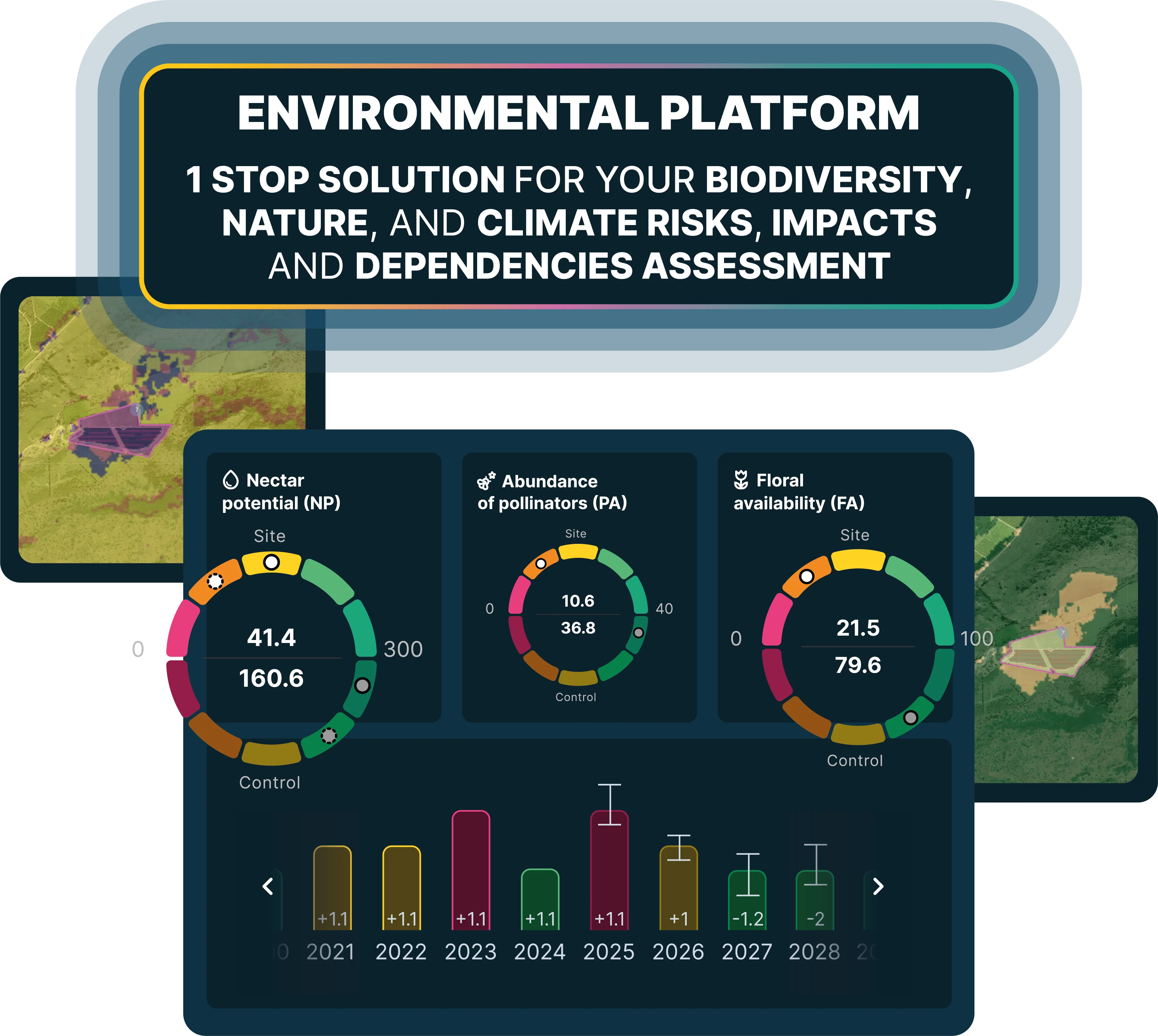
Key sections of the XNatura Environmental Platform dedicated to the assessment of agrivoltaic sites.
Biodiversity status
MSA Land Use indices, site-control comparison, Natural Patches, and ecological potential of the three agricultural polygons and surrounding territory.
Protected areas
The 10 protected areas within 10 km of the sites, Key Biodiversity Areas, animal and plant species potentially at risk in the surroundings.
Microclimate
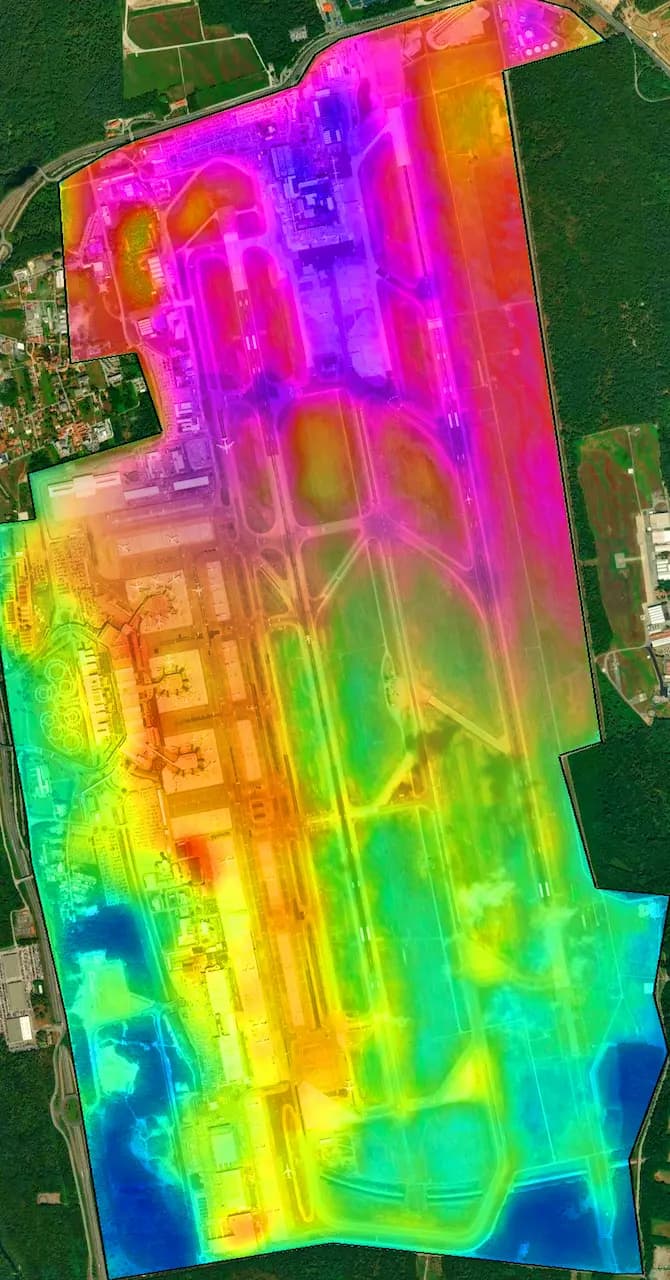
Surface temperature, heat island effect, and microclimatic parameters of the agricultural polygons before agrivoltaic panel installation.
Hydrogeological risk
Flood risk, erosion, and hydrogeological analysis of the three polygons for pre-installation site resilience assessment.
Access the XNatura Environmental Platform
The platform through which RWE monitors the biodiversity of agrivoltaic sites and compares pre and post panel installation data.
Do you want to measure the biodiversity of your energy sites?
XNatura supports energy operators and agrivoltaic plant developers in biodiversity assessment and monitoring, with satellite mapping, IoT sensors, and validated scientific protocols to support permitting and ESG communication.
 Contact us for information about the platform or for specialized consulting in the environmental field.