From Mendrisio to Colombia, biodiversity is measured on a global scale
Argor-Heraeus has activated a data-driven environmental monitoring programme across two sites, Mendrisio in Switzerland and a site in the extractive supply chain in Colombia, with satellite analysis, Spectrum bioacoustic sensors and the XNatura Environmental Platform to measure the impact on biodiversity and respond to the Global Biodiversity Framework.
across 2 continents
monitored
installed
The precious metals supply chain leaves a footprint that goes beyond emissions
The precious metals supply chain impacts biodiversity through extraction, which destroys habitats in tropical hotspots, and refining, which exerts pressure on soils, waterways and surrounding habitats. Mining activities fragment the landscape, interrupt ecological corridors and modify the local microclimate, while residues and chemical waste compromise soil and water quality. The sector depends on stable ecosystems for water regulation, soil conservation and maintaining the resilience of surrounding habitats.
Concrete biodiversity data from the refinery to the extractive supply chain
Argor-Heraeus had a solid sustainability strategy but lacked site-level biodiversity monitoring at both Mendrisio and the extractive areas in Colombia.
A scientific approach aligned with the Global Biodiversity Framework and CSRD was needed, based on MSA and replicable across Heraeus sites.
Two sites, two continents, one single methodology
XNatura designed a two-site, two-continent project combining remote analysis, field monitoring and data integrated into one platform.
From satellite analysis to field monitoring
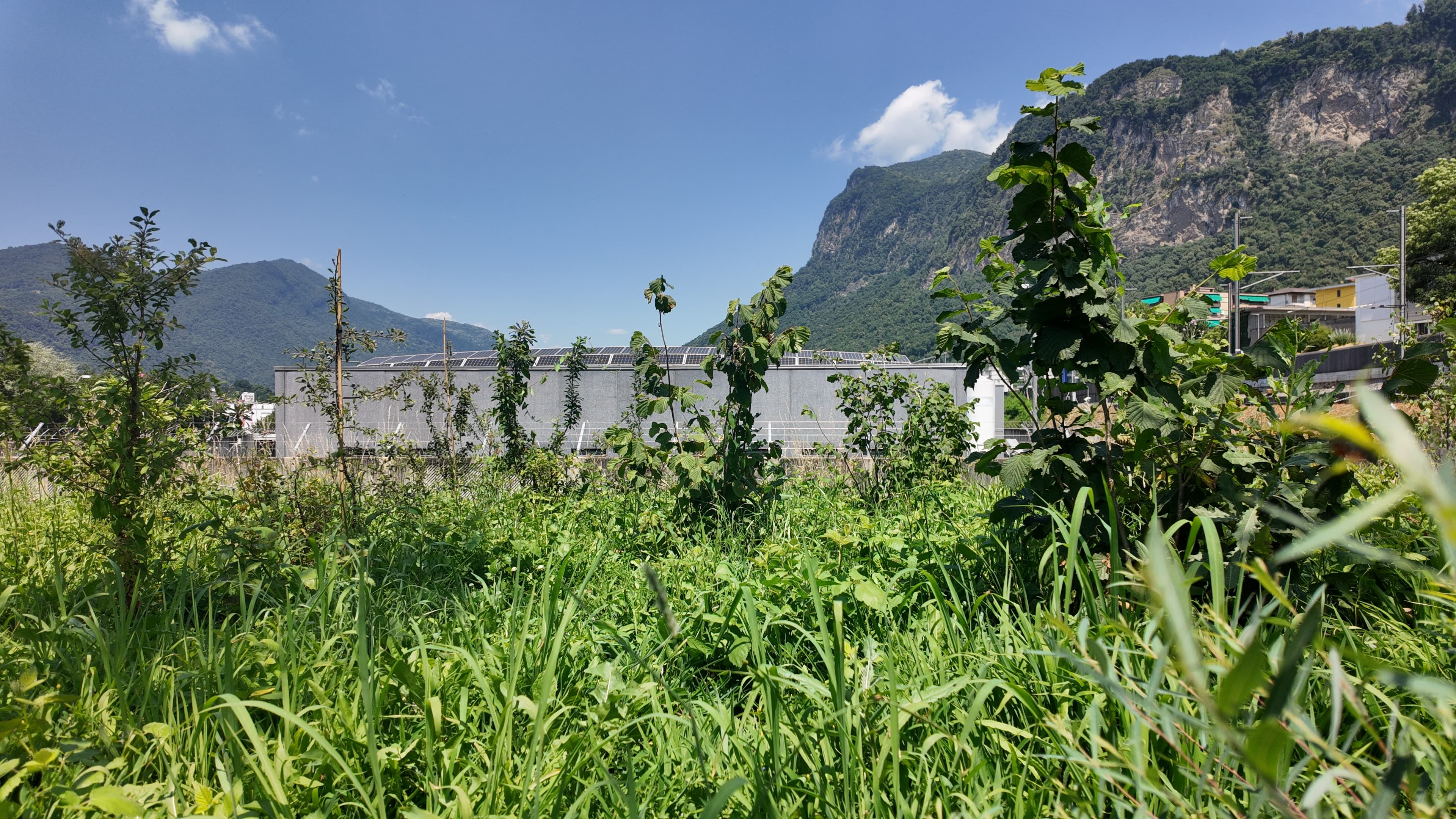
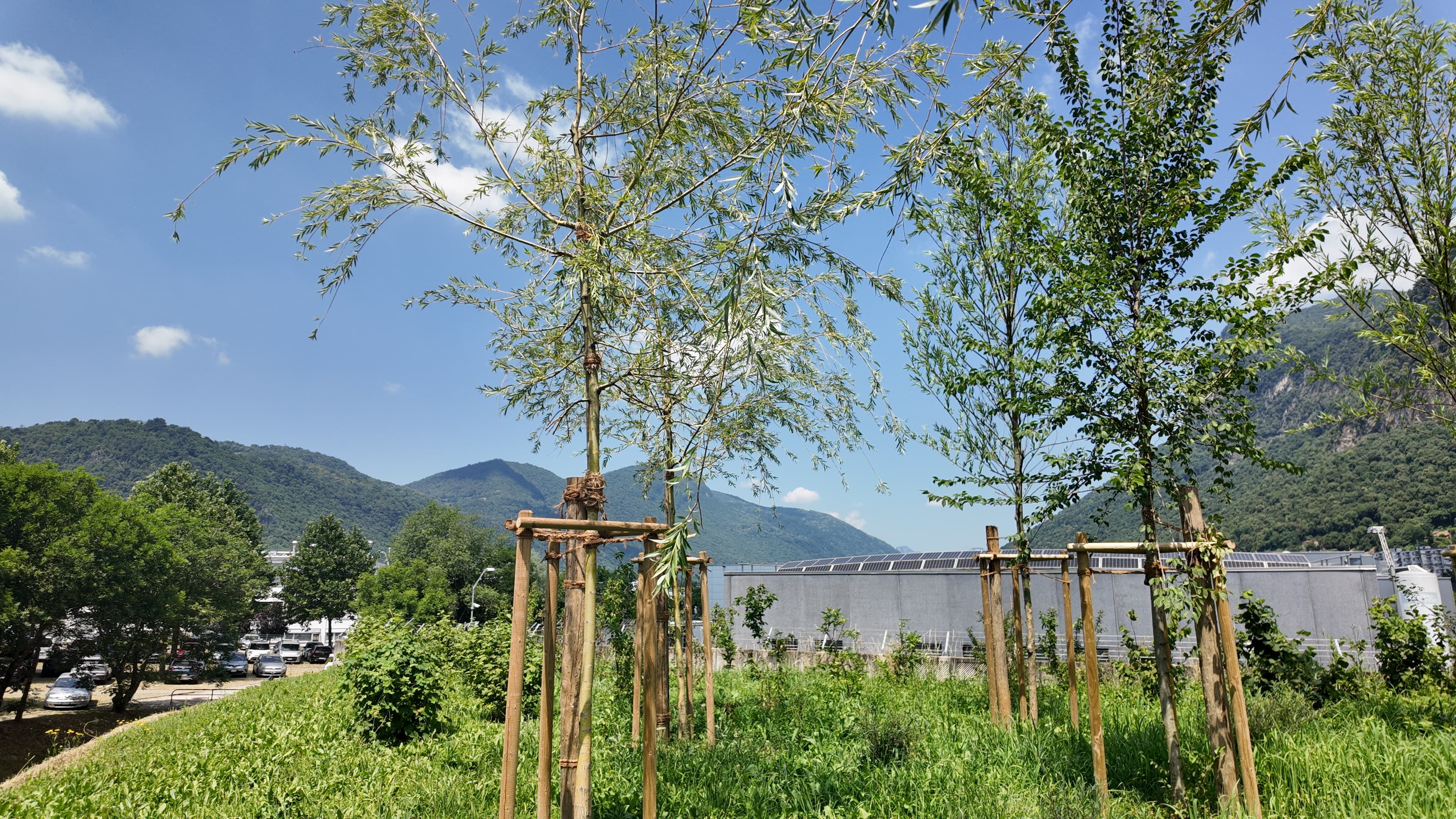
A project combining space technology and IoT sensors to build a scientific biodiversity baseline around the production site.
Remote analysis of biodiversity potential
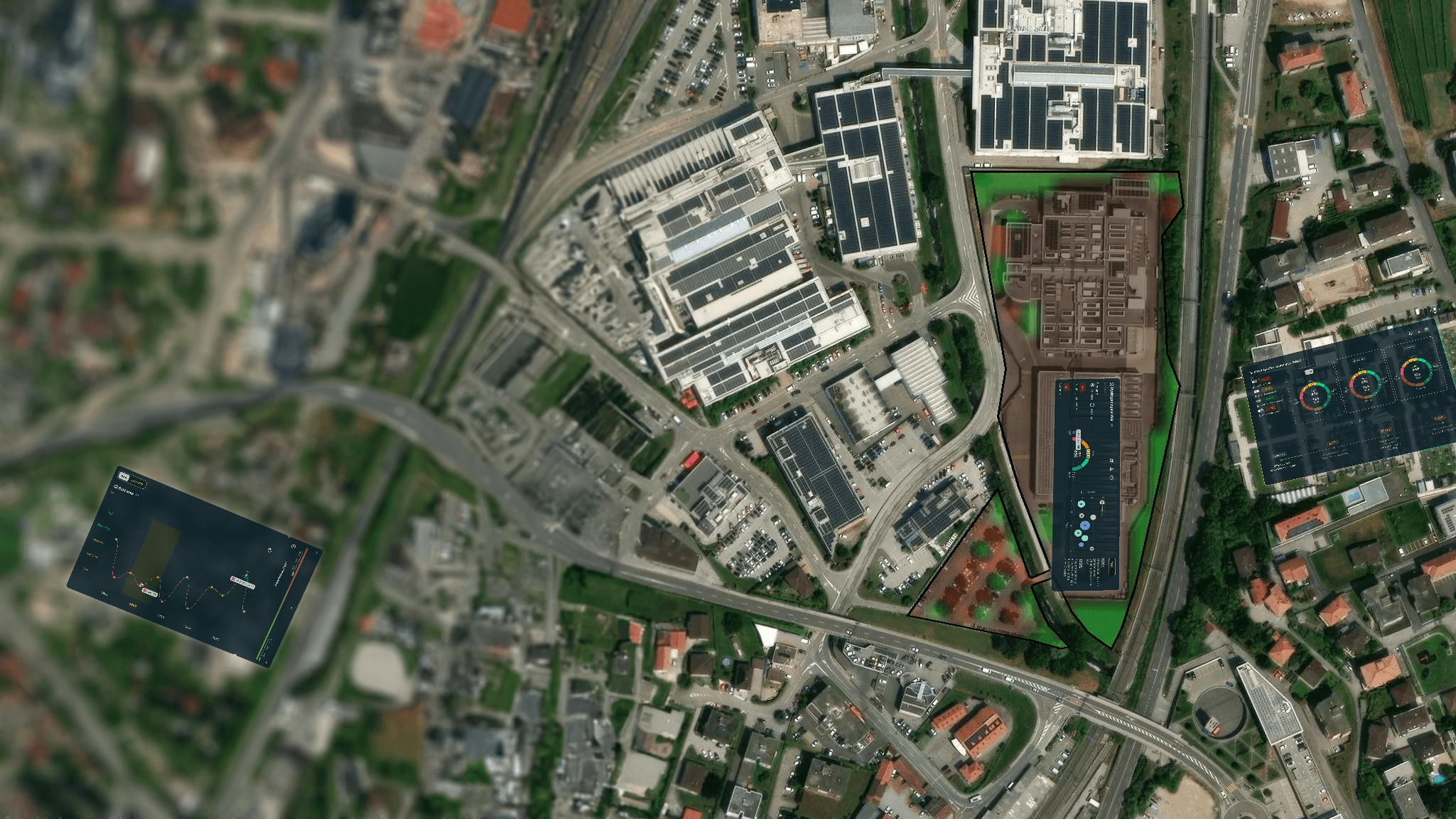
The project started in 2024 with a satellite assessment via Remote Sensing. Satellite imagery, processed with artificial intelligence algorithms, provided a comprehensive overview of the biodiversity potential of both sites, Mendrisio and Colombia. The analysis mapped land cover classification, calculated the MSA Land Use index to assess the degree of naturalness compared to an undisturbed ecosystem, and identified optimal zones for field sensor placement.
Spectrum bioacoustic sensors in Mendrisio and Colombia
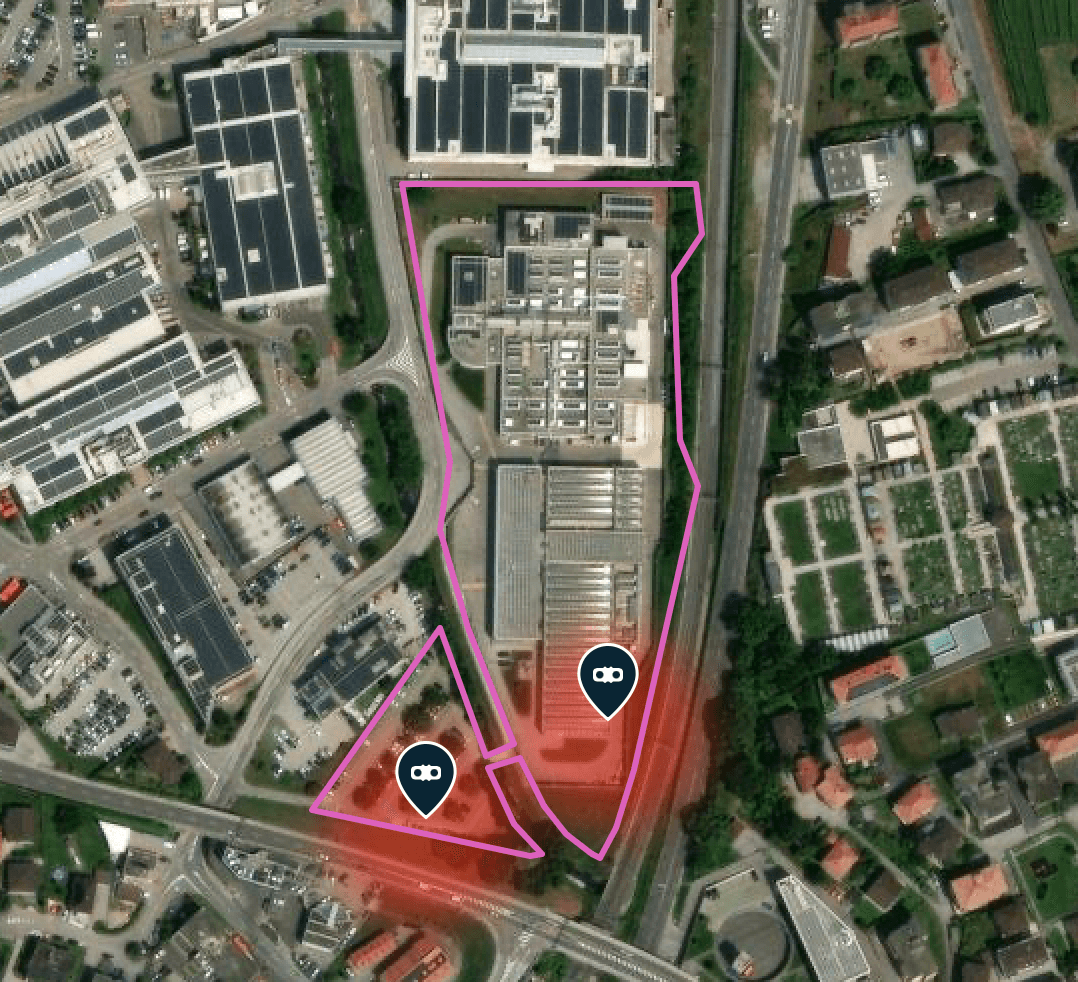
Based on the satellite analysis results, Spectrum devices were positioned in the areas identified as most relevant for pollinator monitoring at both sites. The bioacoustic sensors capture the buzzing of bees, bumblebees and hoverflies, detecting their abundance and diversity without any disturbance to the natural environment. Continuous monitoring enables the construction of a quantitative baseline in profoundly different ecological contexts.
Data convergence on the XNatura Platform
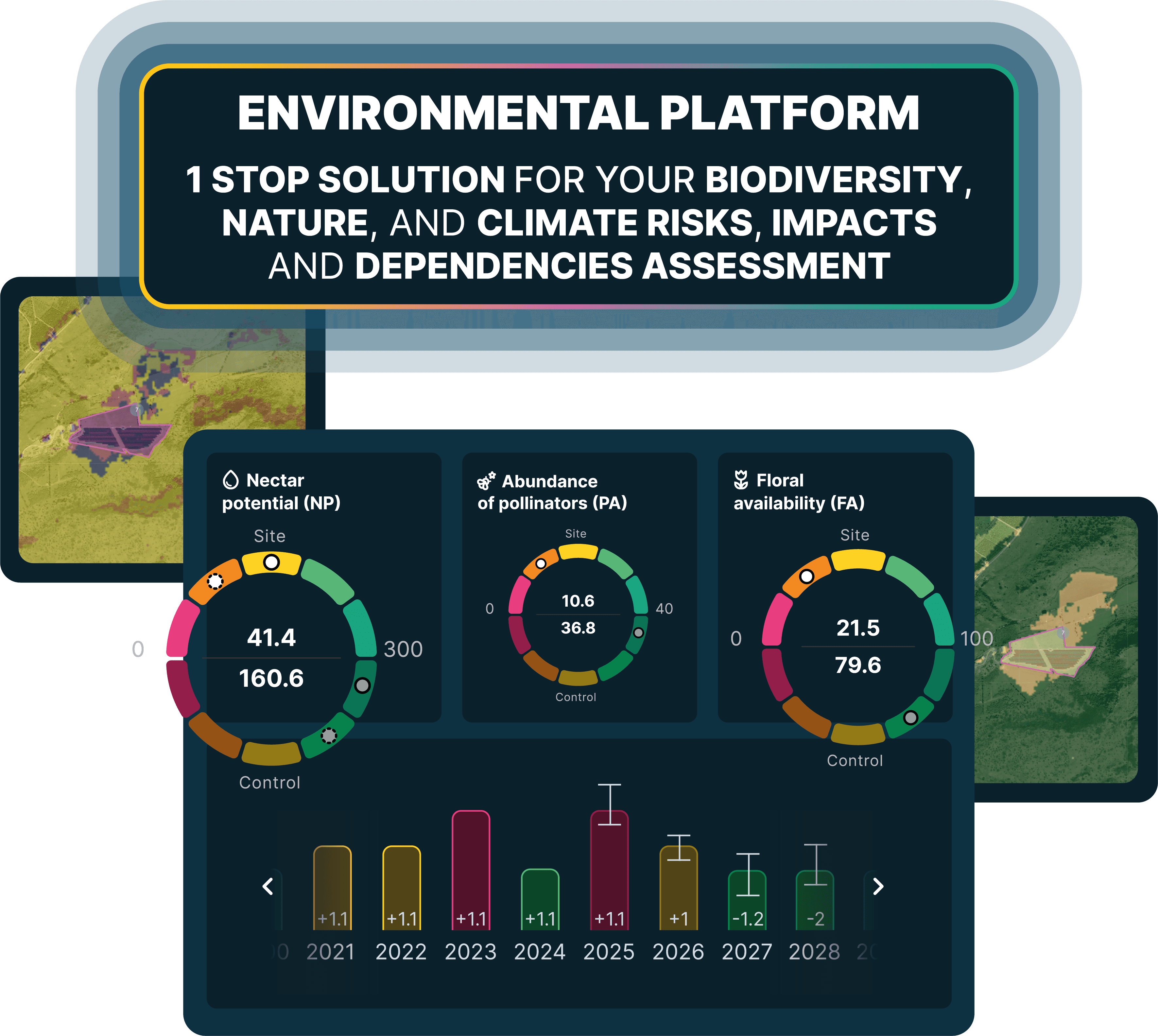
All data, satellite and field, flows into the XNatura Environmental Platform, where Argor-Heraeus can visualise and compare biodiversity KPIs for both sites, with indicators on hydrogeological risk, surface temperature, pollinator density and proximity to protected areas. The platform provides data compliant with CSRD requirements and the TNFD framework, directly usable in the company's Sustainability Factbook.
A pilot for the global Heraeus network
The two sites in Mendrisio and Colombia already demonstrate the replicability of the methodology on a global scale. The approach based on satellite assessment, bioacoustic monitoring and an integrated platform is designed to be extended to other Heraeus Precious Metals group sites, with the goal of building a standardised data-driven biodiversity strategy at international level.
From measurement to strategy
at the Mendrisio oasis
5 km of Mendrisio
Colombia
the Mendrisio level
The Mendrisio site achieved a Total MSA of 100, the highest level of ecological integrity, confirming that the area surrounding the production site maintains a high degree of naturalness. There are 15 protected areas within 5 km, confirming the ecological value of the context in which the refinery operates.
The Colombia site has a Total MSA of 71.5, with a gap of 28.5 points compared to the level achieved in Mendrisio. This figure quantifies the distance between the two contexts and indicates the improvement path needed for the extractive site. The comparison between the two sites demonstrates the methodology's ability to operate across profoundly different ecosystems, providing Argor-Heraeus with an integrated and comparable view of its biodiversity impact along the supply chain.
Monitoring in action
Key sections of the XNatura Environmental Platform dedicated to the Mendrisio and Colombia sites.
Land cover
Land use classification via satellite analysis: natural, industrial, agricultural and water areas across 2.77 hectares, with MSA Land Use index calculation.
Temperature and risks
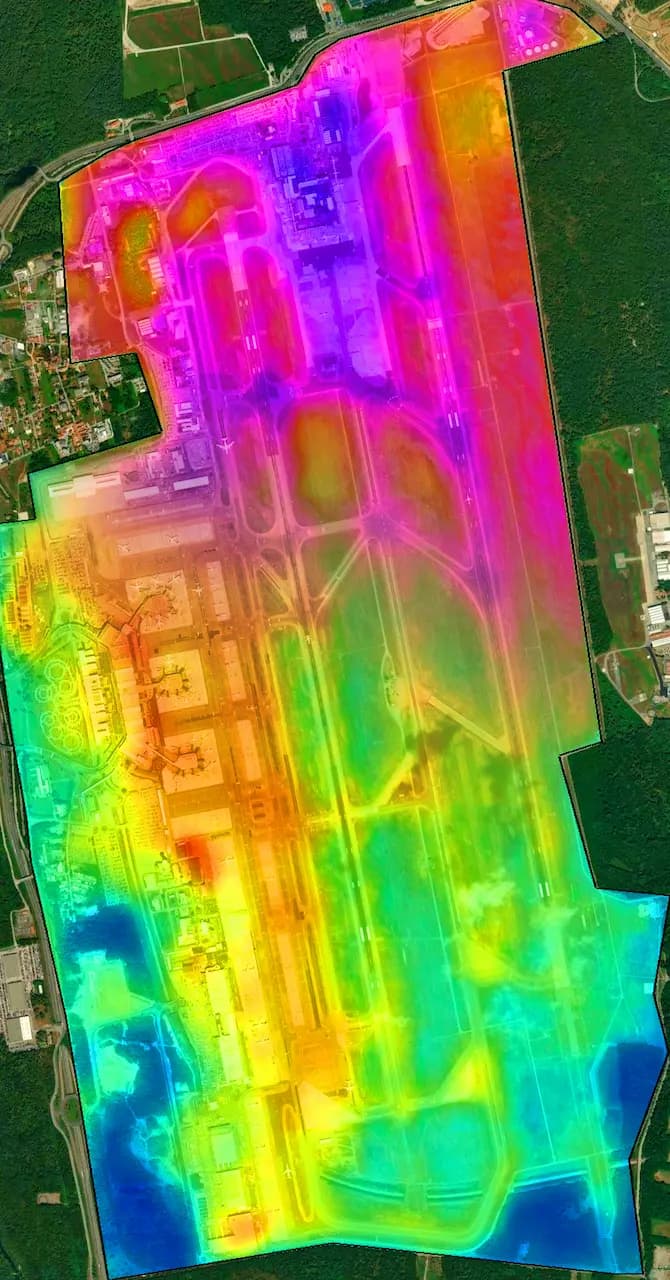
Surface soil temperature, aridity, hydrogeological risk and microclimatic parameters of the Mendrisio site and surrounding areas.
Biodiversity status
MSA index, pollinator density, nesting sites, floral availability and proximity to protected areas within 5 km of the production site.
Spectrum census
Data from 2 Spectrum bioacoustic sensors: census of bees, bumblebees and hoverflies, with abundance and diversity analysis over time.
Access the XNatura Environmental Platform
The platform with which Argor-Heraeus monitors biodiversity, microclimate and environmental risks at the Mendrisio and Colombia sites.
Do you want to monitor the biodiversity of your industrial site?
XNatura supports industrial companies in site-level biodiversity monitoring, with satellite assessment, IoT sensors and a platform compliant with the main reporting standards, from CSRD to TNFD.
 Contact us for information about the platform or for specialized consulting in the environmental field.