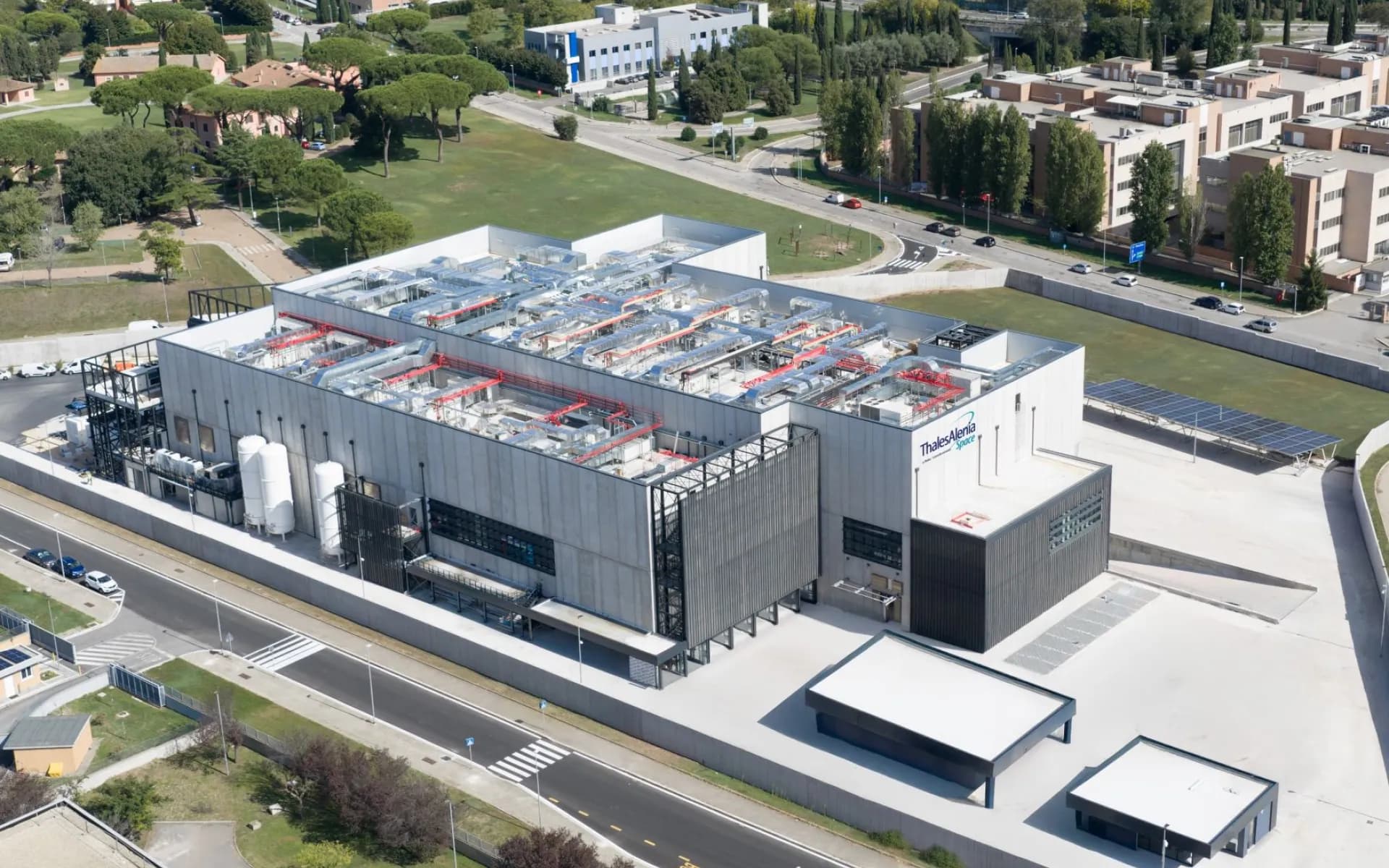
Four plants, one matrix to decide where to act first
Thales Alenia Space mapped, prioritised and monitored biodiversity across 4 Italian industrial sites with 7 IoT devices and the XNatura platform, transforming its industrial footprint into a quantifiable ecological asset compliant with major reporting frameworks.
analysed
monitored
installed
Aerospace has a ground footprint that nature does not ignore
The aerospace sector impacts biodiversity through facilities with high land consumption, atmospheric emissions and surface waterproofing, which fragment habitats and reduce ecological connectivity between different ecosystems. Species loss, soil degradation and microclimate alterations compromise ecosystems' natural ability to regulate water, temperature and climate resilience. The sector depends on intact ecosystems for maintaining environmental stability and natural support for infrastructure distributed across the territory.
An objective snapshot of all sites to know where to act first
Thales Alenia Space needed an objective biodiversity snapshot across Italian sites to build a prioritisation matrix based on MSA, air quality and protected areas.
Verifiable data was also needed for ESG reporting under TNFD, GRI and SBTN and awareness initiatives embedding biodiversity into corporate culture.
Satellite assessment, IoT and multi-site dashboard
XNatura responded with a four-year project combining remote analysis, field monitoring and educational pathways.
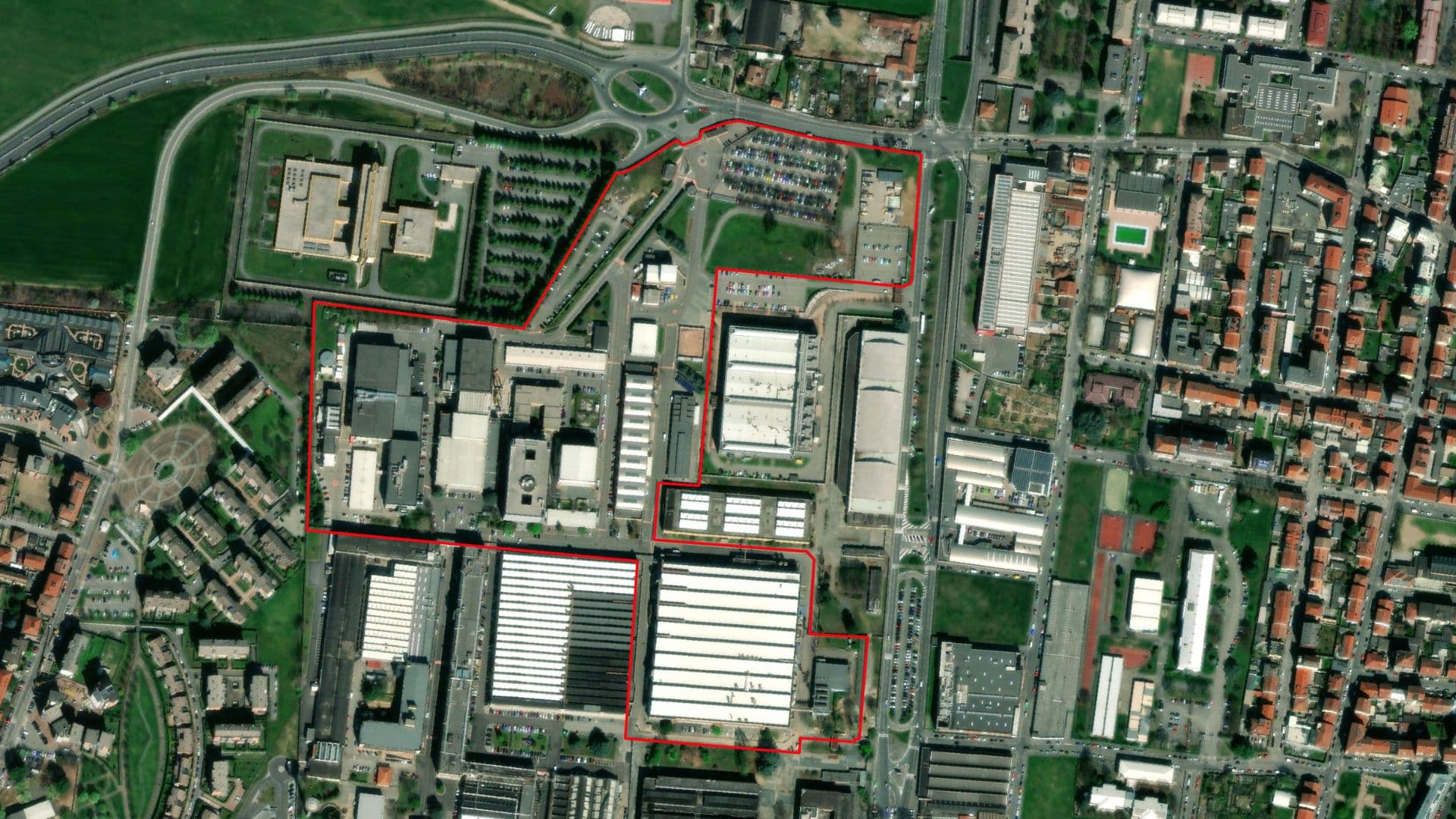
From satellite analysis to continuous monitoring
A four-year project starting from portfolio assessment to stakeholder engagement.
Remote Sensing analysis across 4 Italian sites
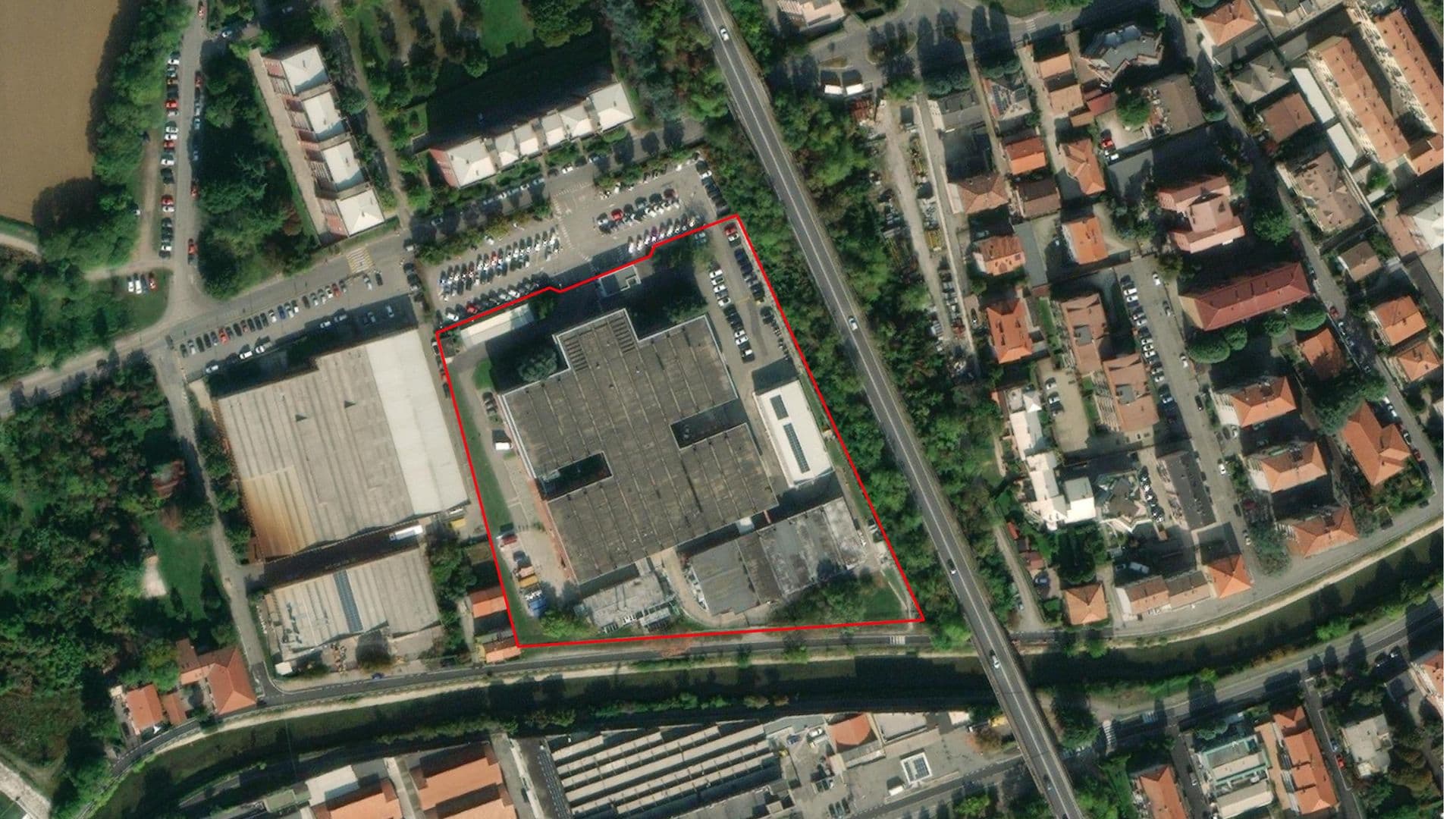
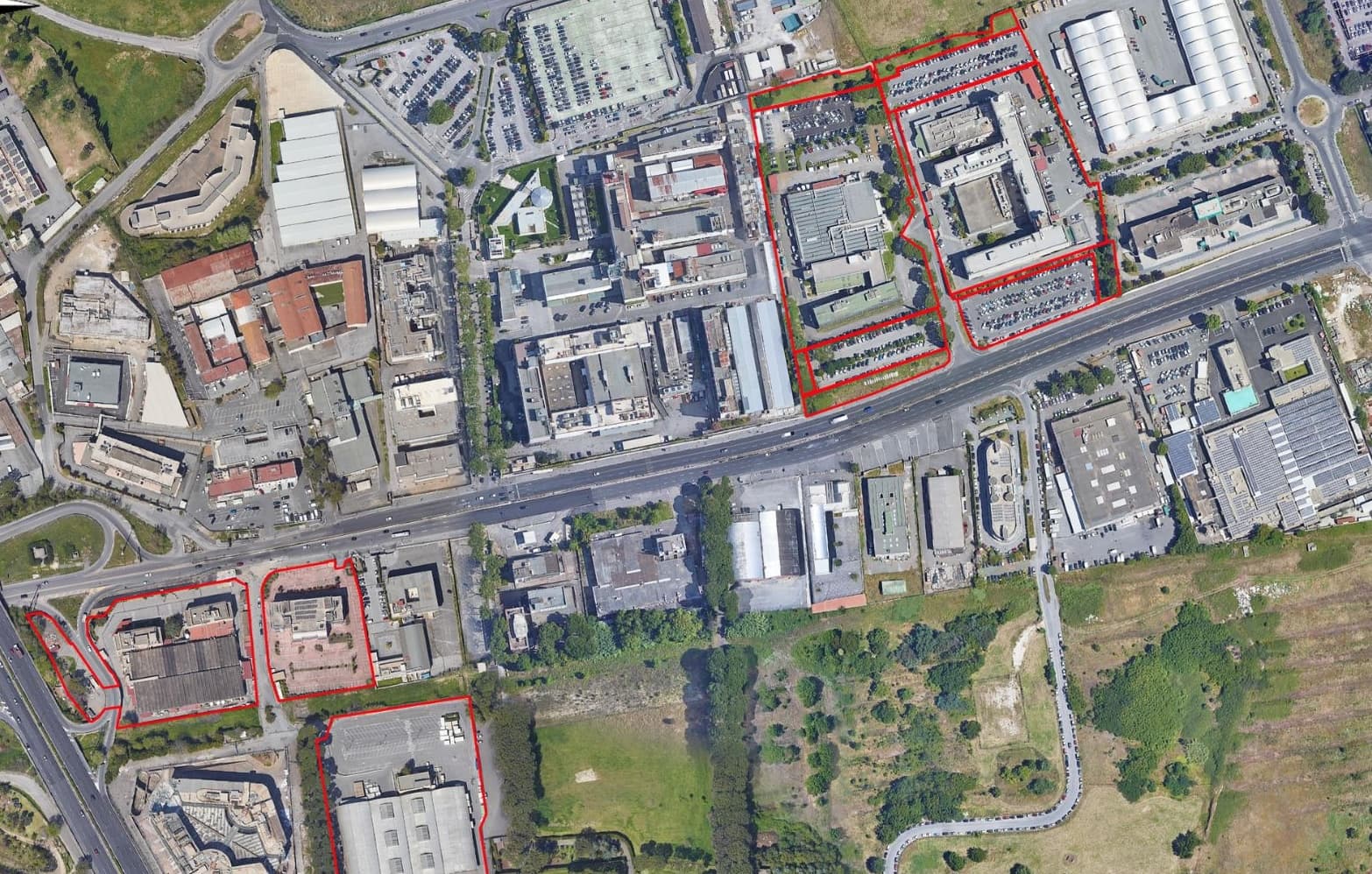
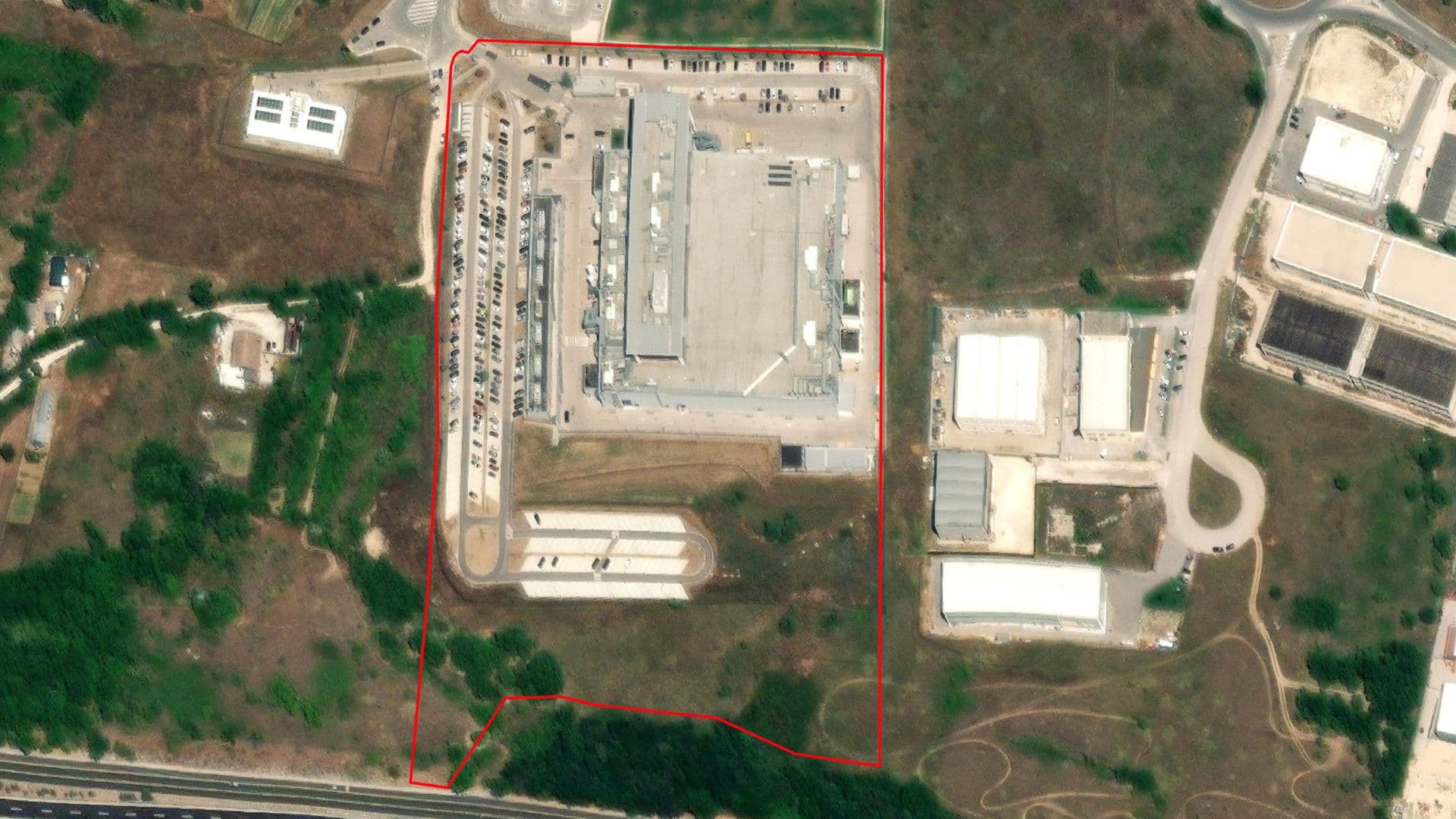
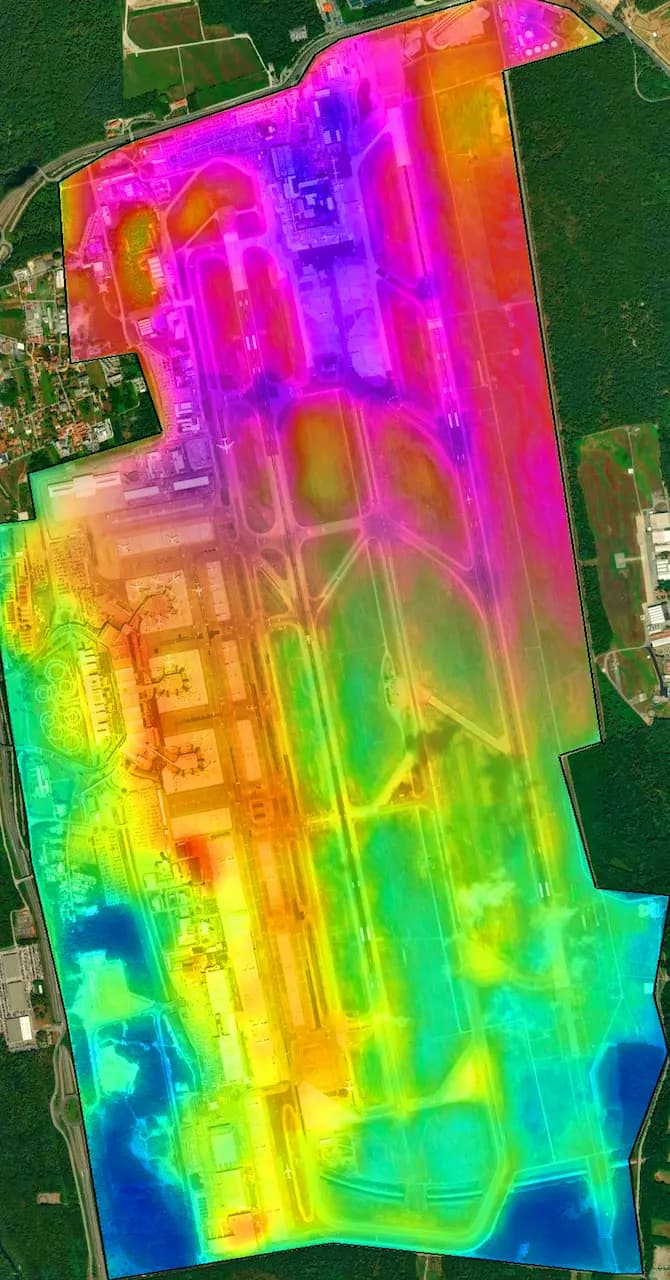
The project started with an assessment conducted through Remote Sensing on the four key sites: Turin, Rome, L'Aquila and Gorgonzola. The analysis mapped the current state of biodiversity, land use, proximity to protected areas and climate risks of each site.
7 IoT devices distributed across priority sites
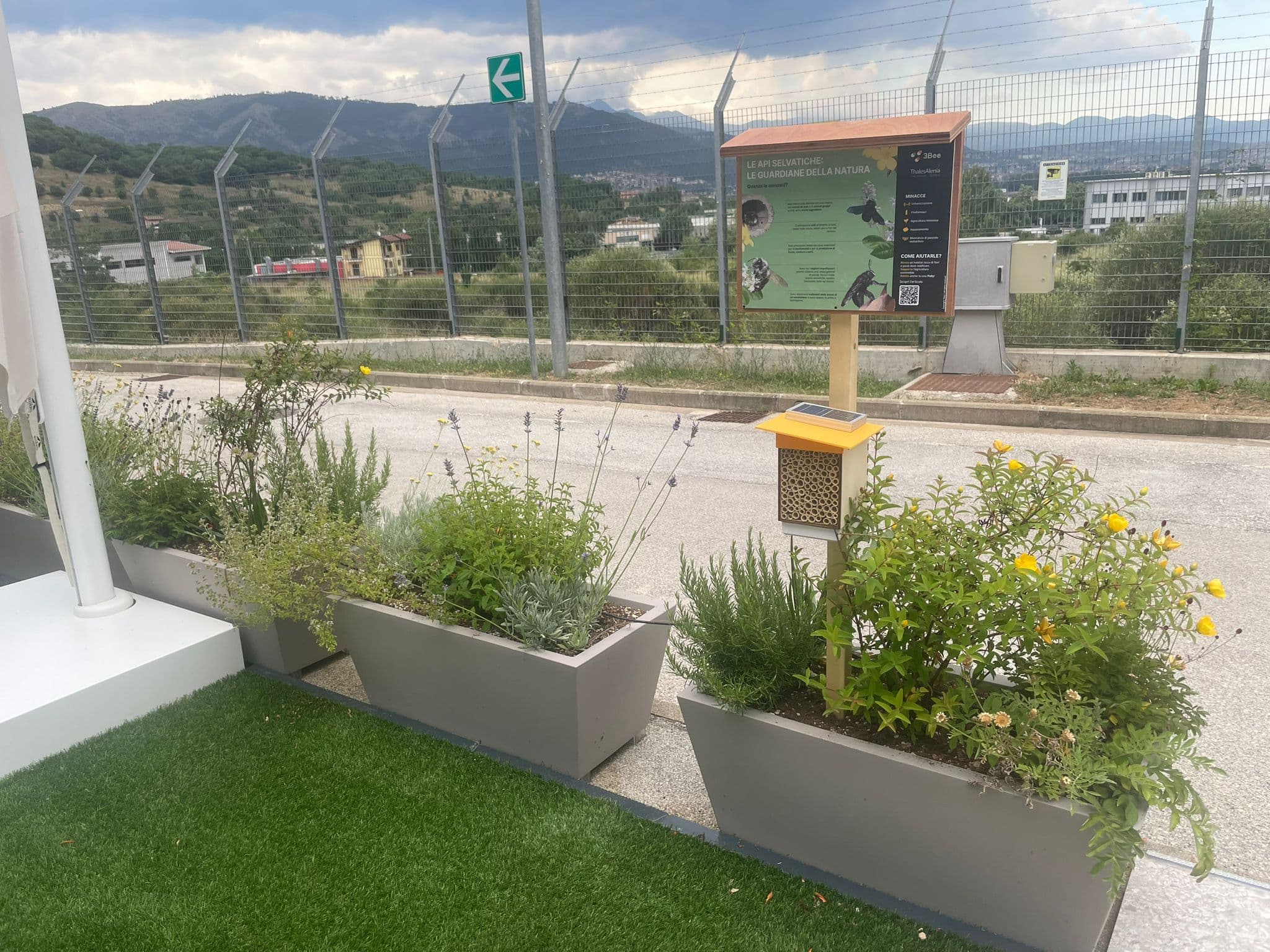
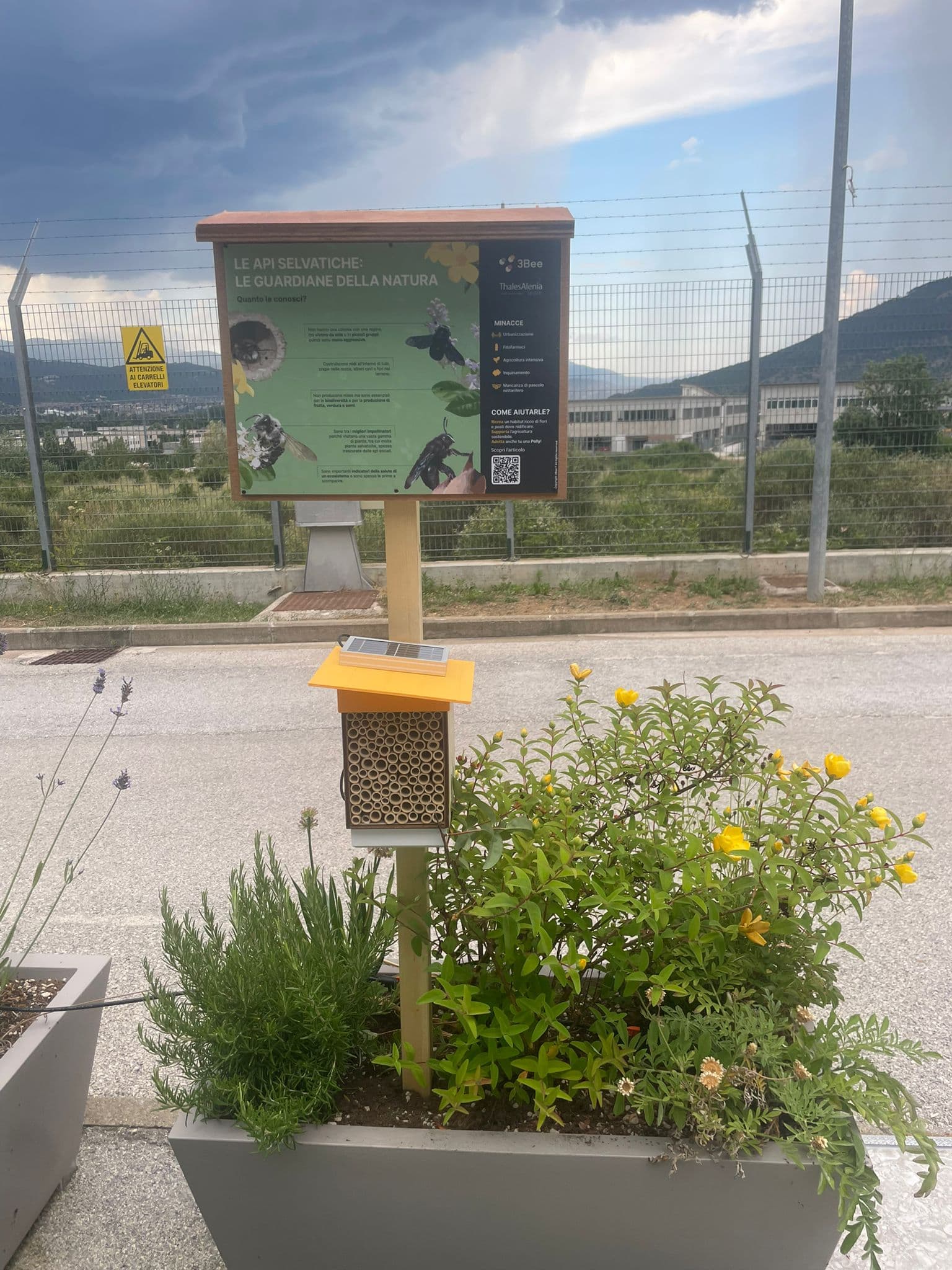
Based on the prioritisation, 7 proprietary XNatura IoT devices were installed at the sites with the greatest monitoring needs: 5 Spectrum sensors for bioacoustic pollinator detection (distributed across Turin, Rome, Gorgonzola and L'Aquila) and 2 PollyX for continuous particulate monitoring of PM 2.5 and PM 10, installed at the Rome and L'Aquila sites where air quality was a critical indicator.
XNatura multi-site dashboard across 28.6 hectares
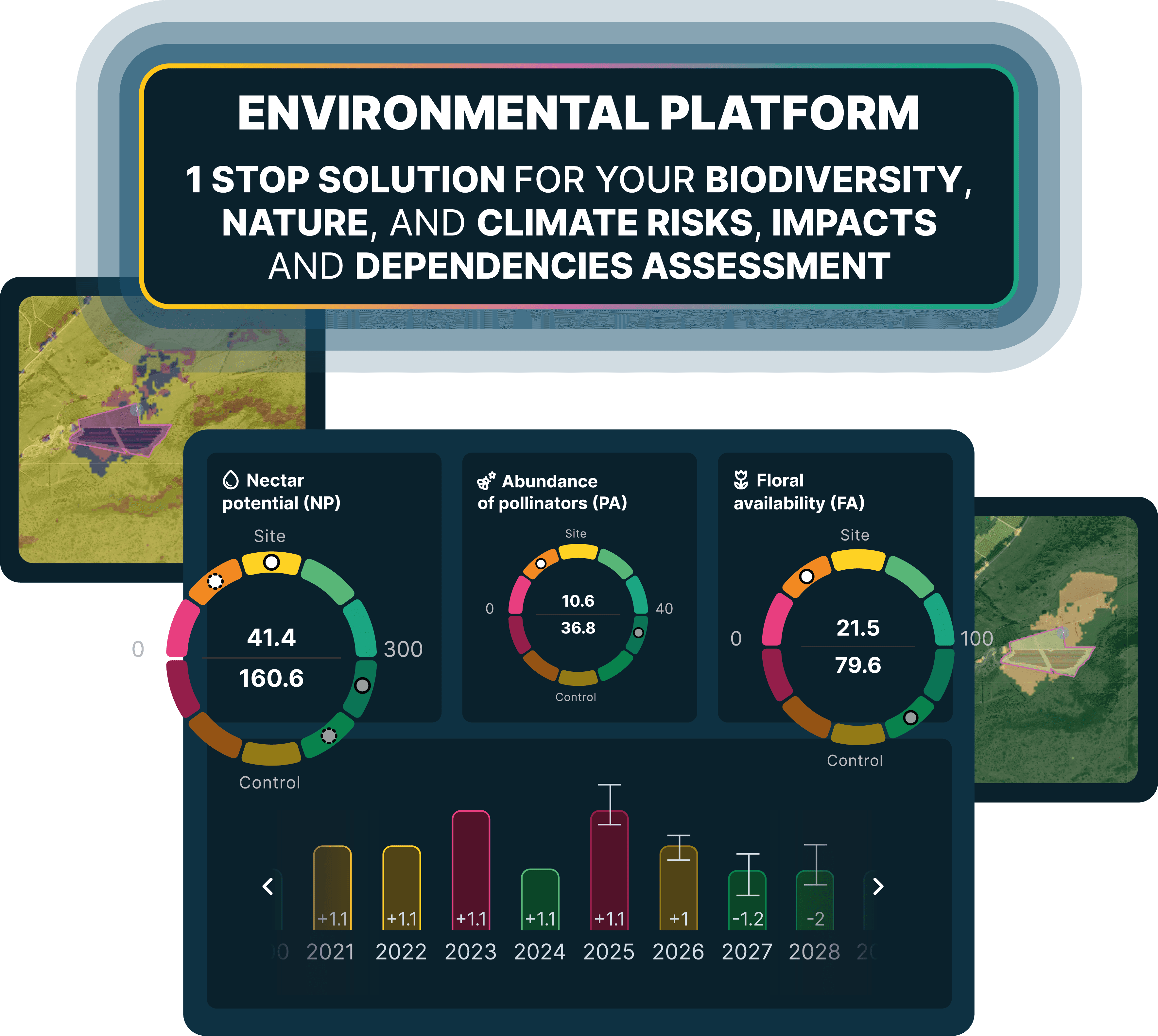
Data from the 7 sensors flows into the XNatura Environmental Platform, which integrates them with satellite analyses and AI algorithms. Thales Alenia Space has a multi-site dashboard with comparative indicators on biodiversity (MSA, land use, KBA), air quality, climate risk and microclimate for each site, compliant with TNFD, GRI and SBTN frameworks, directly integrable into the group ESG strategy.
Stakeholder and employee engagement
The project included the creation of Green Terraces and biodiversity trails at the sites, with specific installations and educational itineraries designed to make the relationship between industrial activity and ecosystems tangible. A structured pathway to integrate biodiversity into corporate culture, involving employees, partners and visitors.
Biodiversity Strategy and site-specific action plans
Consolidation of collected data into a complete Biodiversity Strategy, with site-specific regeneration action plans based on the prioritisation of risks and opportunities.
The monitoring data
monitored
monitored
monitored
hotspots
The data comes from the XNatura Environmental Platform and the 7 IoT devices installed at the Turin, Rome, L'Aquila and Gorgonzola sites. The 338 pollinators were detected by 5 Spectrum sensors through bioacoustic analysis, while 2 PollyX constantly monitor particulate levels at the Rome and L'Aquila sites.
The project addressed Thales Alenia Space's initial needs on all fronts: a portfolio assessment that generated a prioritisation matrix, a multi-site monitoring system with KPIs integrable into ESG reporting, and an awareness programme that made biodiversity part of the corporate culture.
Monitoring in action
Key sections of the XNatura Environmental Platform dedicated to the Thales Alenia Space project.
Sites Overview
Comparative overview of the 4 Italian sites: location, monitored hectares, installed devices and key indicators for each facility.
Site Prioritisation
Prioritisation matrix based on MSA, proximity to protected areas, climate risks and air quality to guide intervention decisions.
State of Biodiversity
Comparative biodiversity indices across the 4 sites: land use, natural coverage, Mean Species Abundance (MSA) and Key Biodiversity Areas.
Air Quality
Data from the 2 PollyX sensors: PM 2.5 and PM 10 particulate levels at the Rome and L'Aquila sites, constant air quality monitoring.
Access the XNatura Environmental Platform
The platform with which Thales Alenia Space monitors biodiversity, air quality and climate risks across all Italian sites.
Want to map and monitor biodiversity at your industrial sites?
XNatura supports multi-site industrial groups in projects combining satellite assessment, IoT monitoring and educational pathways, with measurable results compliant with major reporting frameworks.
 Contact us for information about the platform or for specialized consulting in the environmental field.