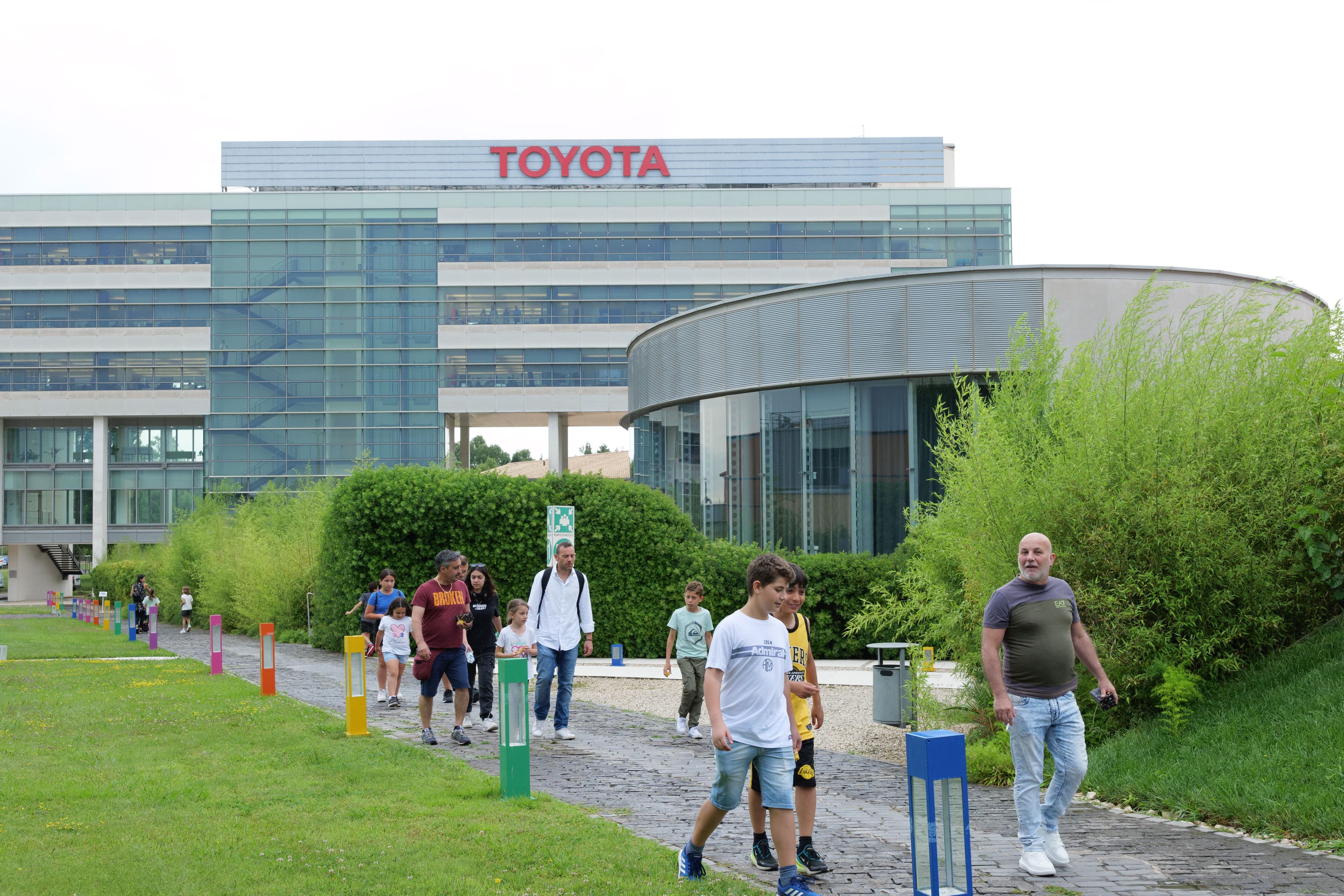
The headquarters becomes an ecosystem with sensors, trees and community
Toyota complemented the environmental monitoring of its headquarters with the planting of 400 nectar-bearing trees remotely and a community engagement programme, with 6 IoT devices and data compliant with the TNFD and GRI frameworks.
monitored
planted
installed
The automotive industry consumes land and resources, nature pays the price
The automotive sector impacts biodiversity through waterproofed surfaces, atmospheric emissions and high energy consumption, which fragment habitats and reduce connectivity between ecosystems. Species loss, soil degradation and reduced vegetation cover compromise thermal regulation, promote the formation of heat islands and worsen local air quality. The sector depends on functional ecosystems for natural microclimate mitigation, soil stability and maintaining environmental resilience around production and logistics sites.
Monitoring, regeneration and a community that makes the difference
Toyota wanted its HQ to be a sustainability model engaging employees and stakeholders. First: assess the ecological impact via satellite and plant nectar species with ESG-ready KPIs.
A community programme was needed with workshops, honey tastings and Academy, backed by IoT compliant with TNFD and GRI.
Regeneration, IoT and experiential pathways
XNatura responded with a four-year project combining regeneration, IoT monitoring and community engagement.
From regeneration to engagement
A four-year project that starts from satellite assessment and leads to the creation of an environmentally aware corporate community.
Remote Sensing over 16 hectares and planting
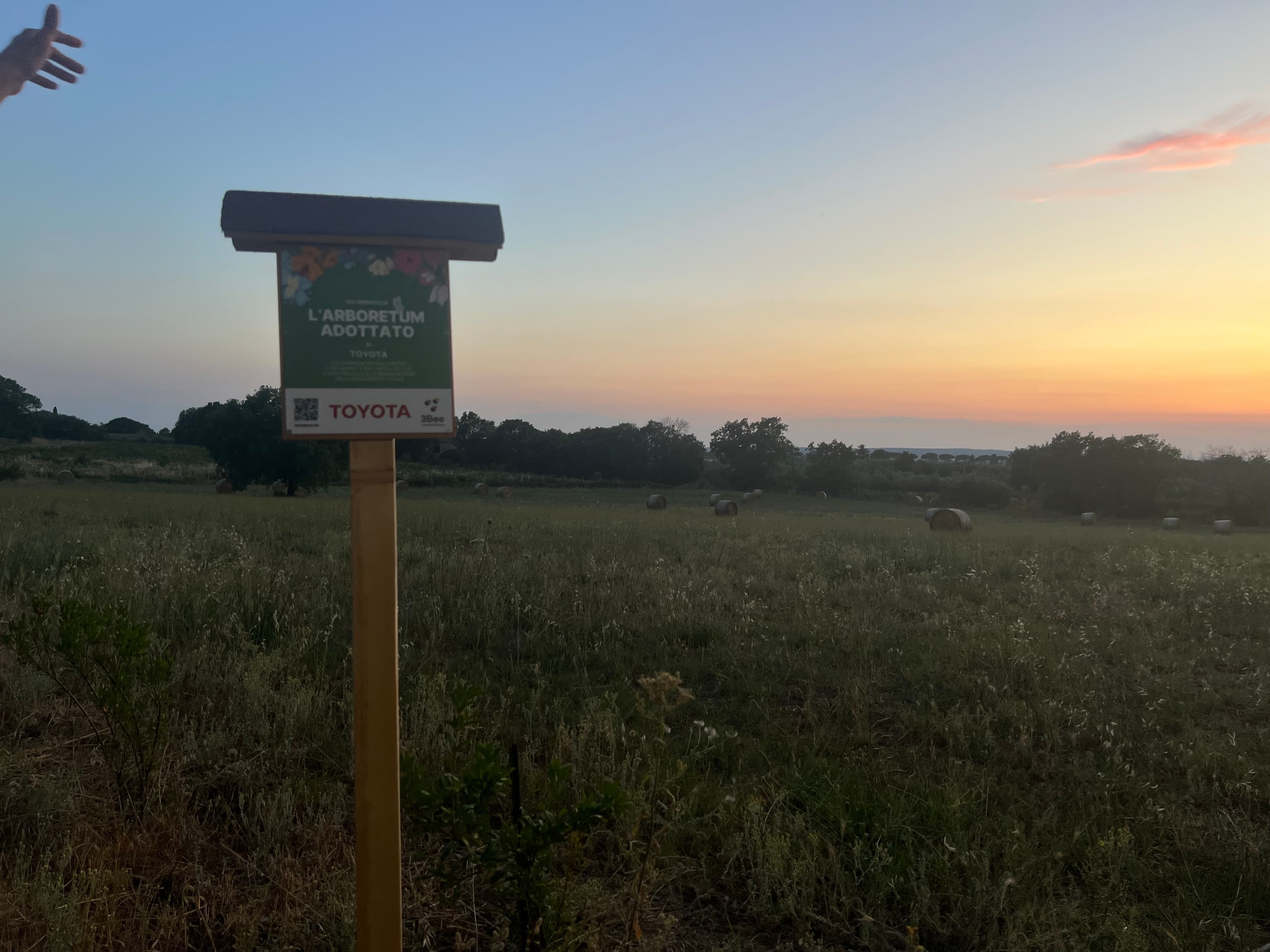
The project started with a Remote Sensing analysis covering 16 hectares to map the health status of the Toyota HQ and surrounding areas. Based on the data collected, 400 nectar-bearing trees and shrubs were planted in a dedicated 8.71-hectare area away from the headquarters, and a Biodiversity Oasis was activated in Lazio, complementing HQ monitoring with concrete environmental regeneration interventions.
6 IoT devices at the HQ
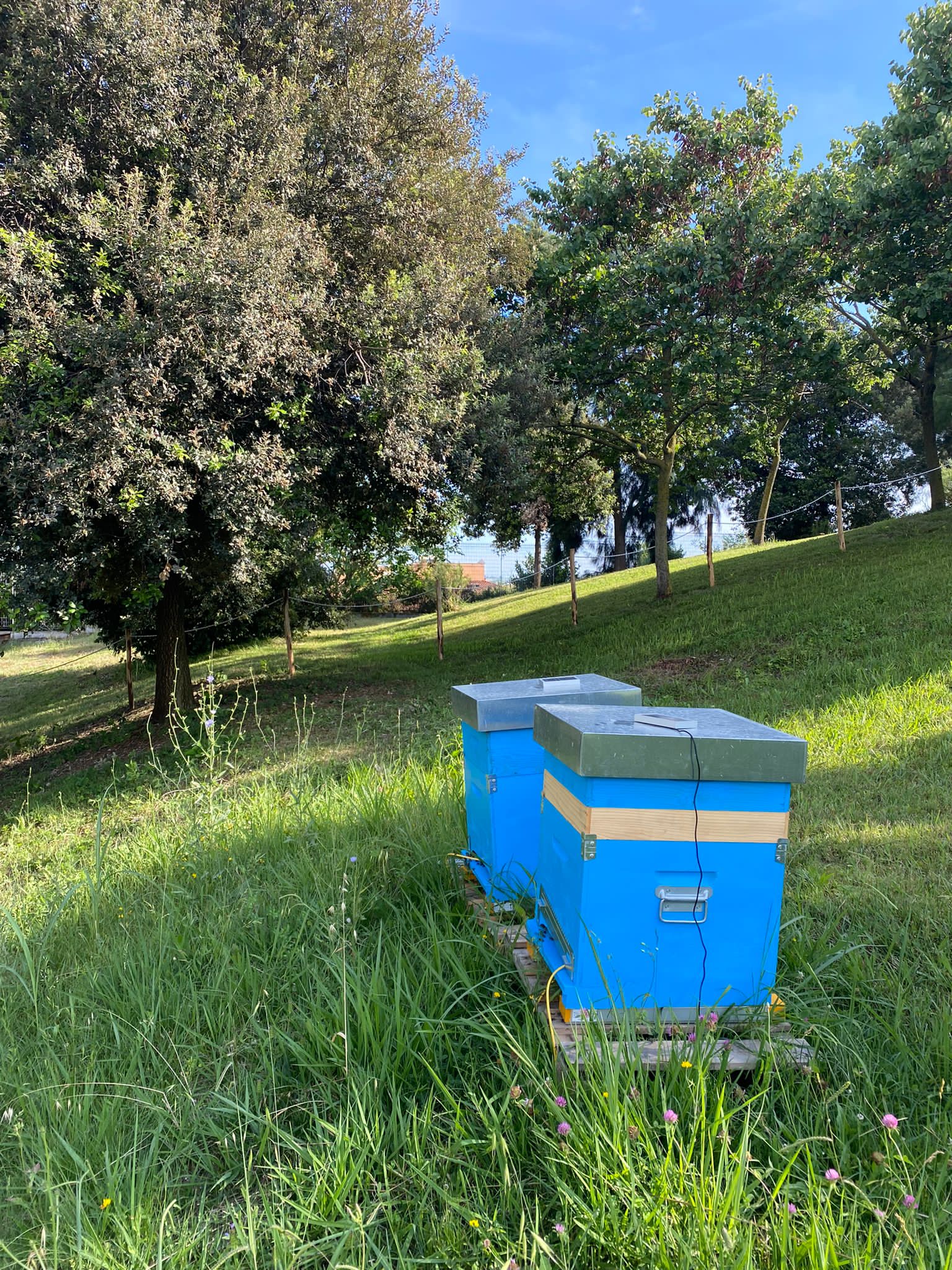
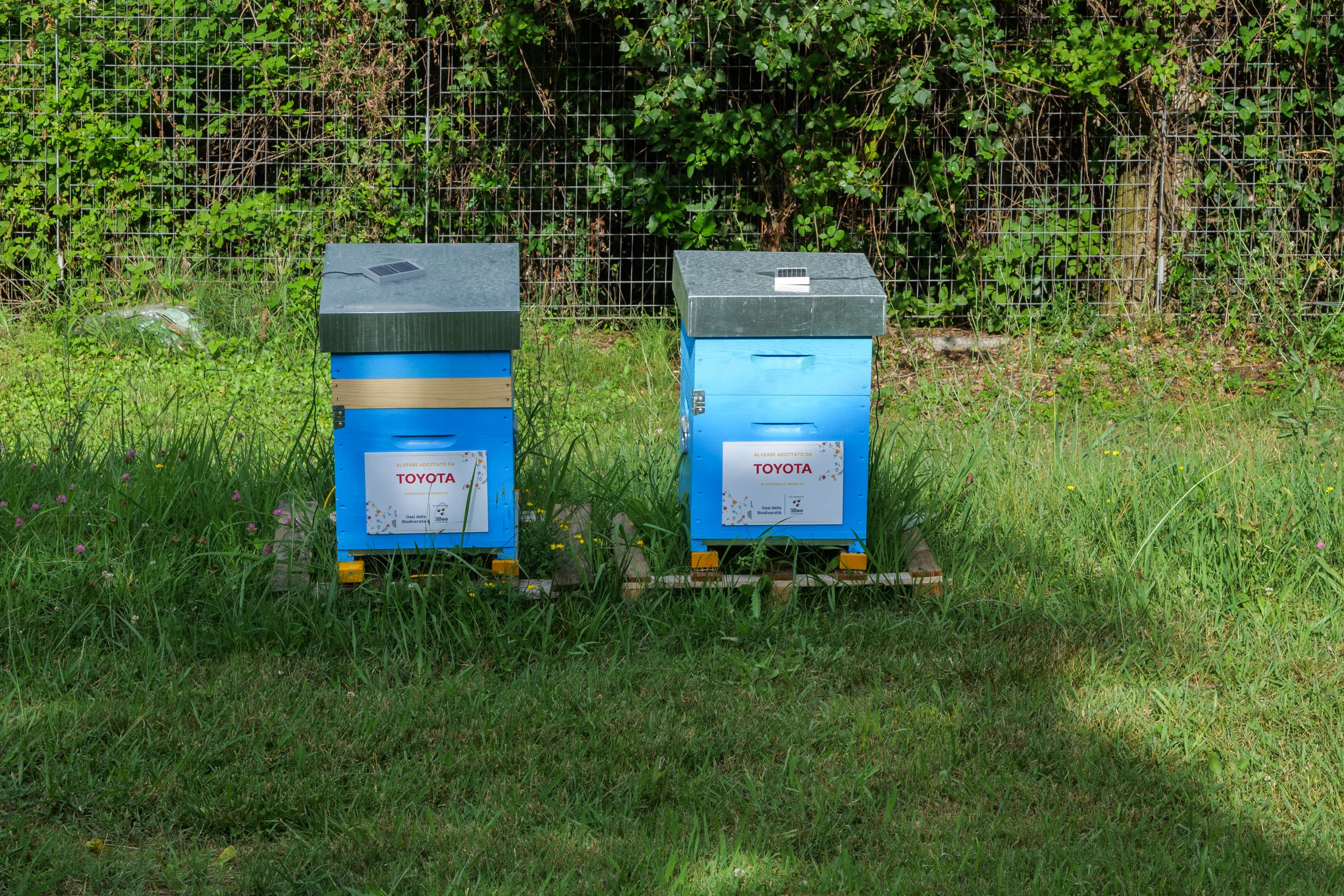
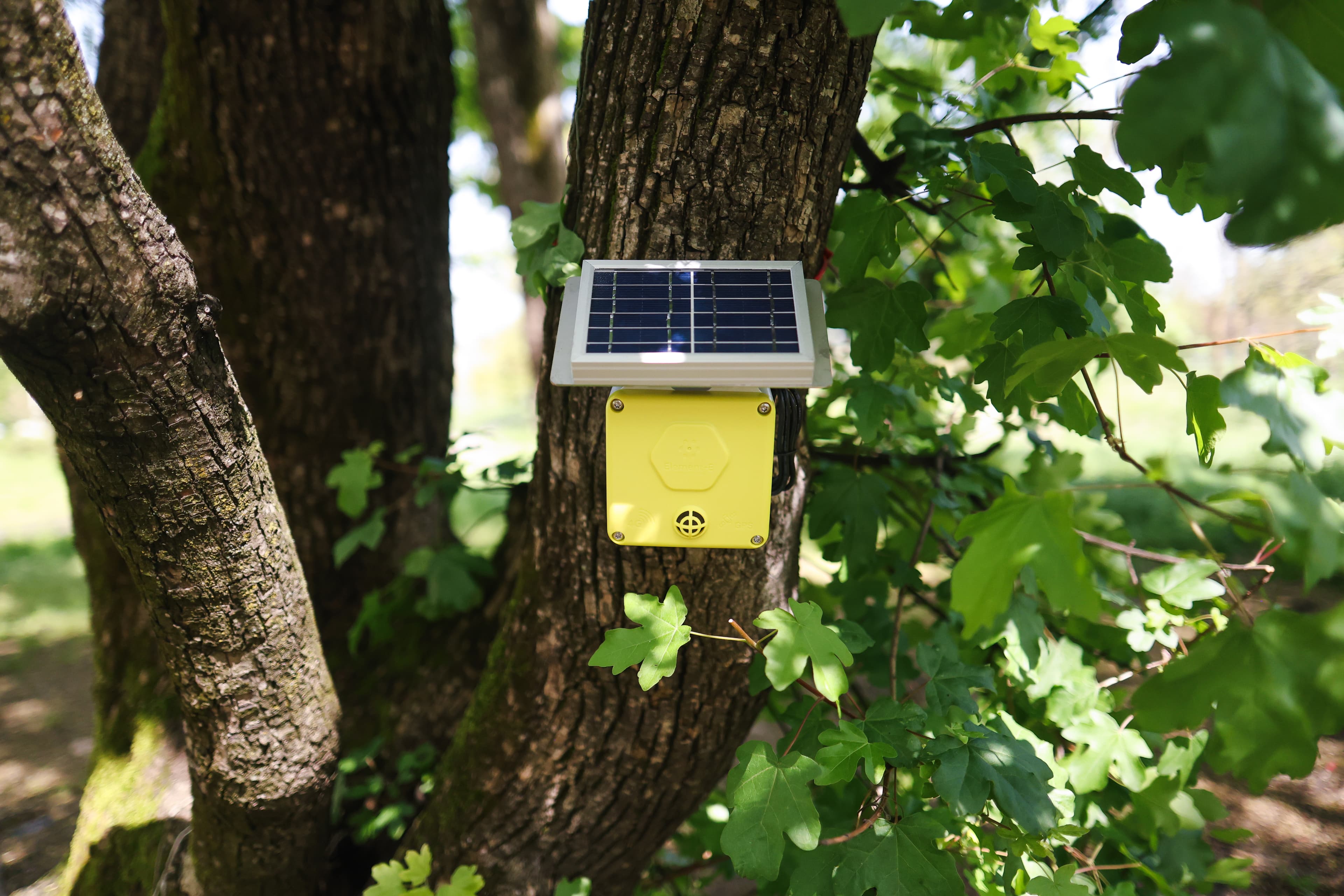
6 proprietary XNatura IoT devices were installed at the Toyota HQ: 4 Hive-Tech units for continuous monitoring of colony health and honey production, 1 Spectrum sensor for bioacoustic detection of wild pollinators and 1 PollyX for constant air quality monitoring (PM 2.5 and PM 10). Data from the 4 Hive-Tech hives also covers the protection of 1,200,000 bees.
XNatura Dashboard over 16 hectares
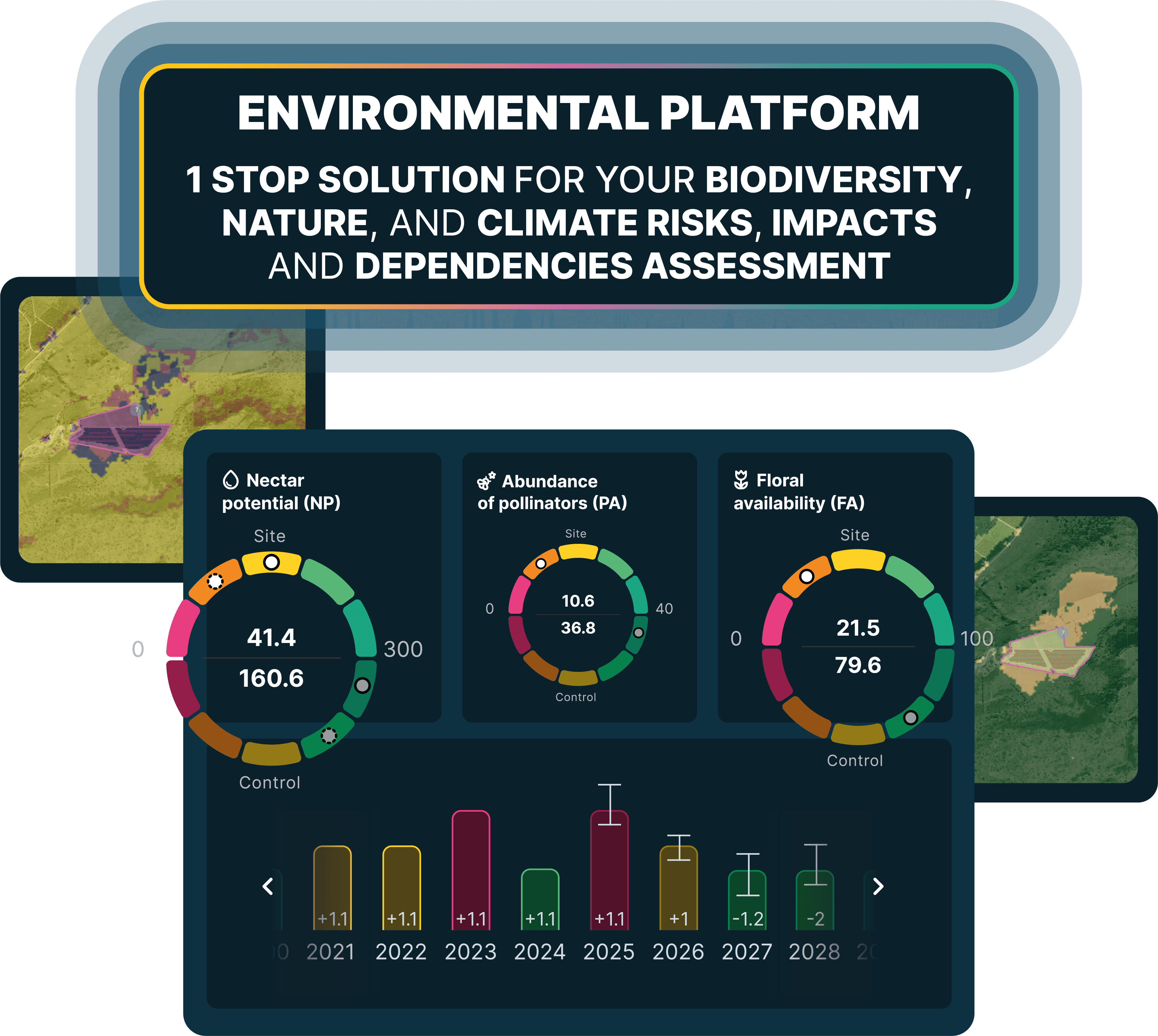
Data from the 6 sensors flows into the XNatura Environmental Platform, which integrates it with satellite analysis and AI algorithms. Toyota has a dashboard with indicators on biodiversity, air quality, colony health, honey production and microclimate, all compliant with the TNFD and GRI frameworks and directly integrable into ESG reporting.
Employees as protagonists of regeneration
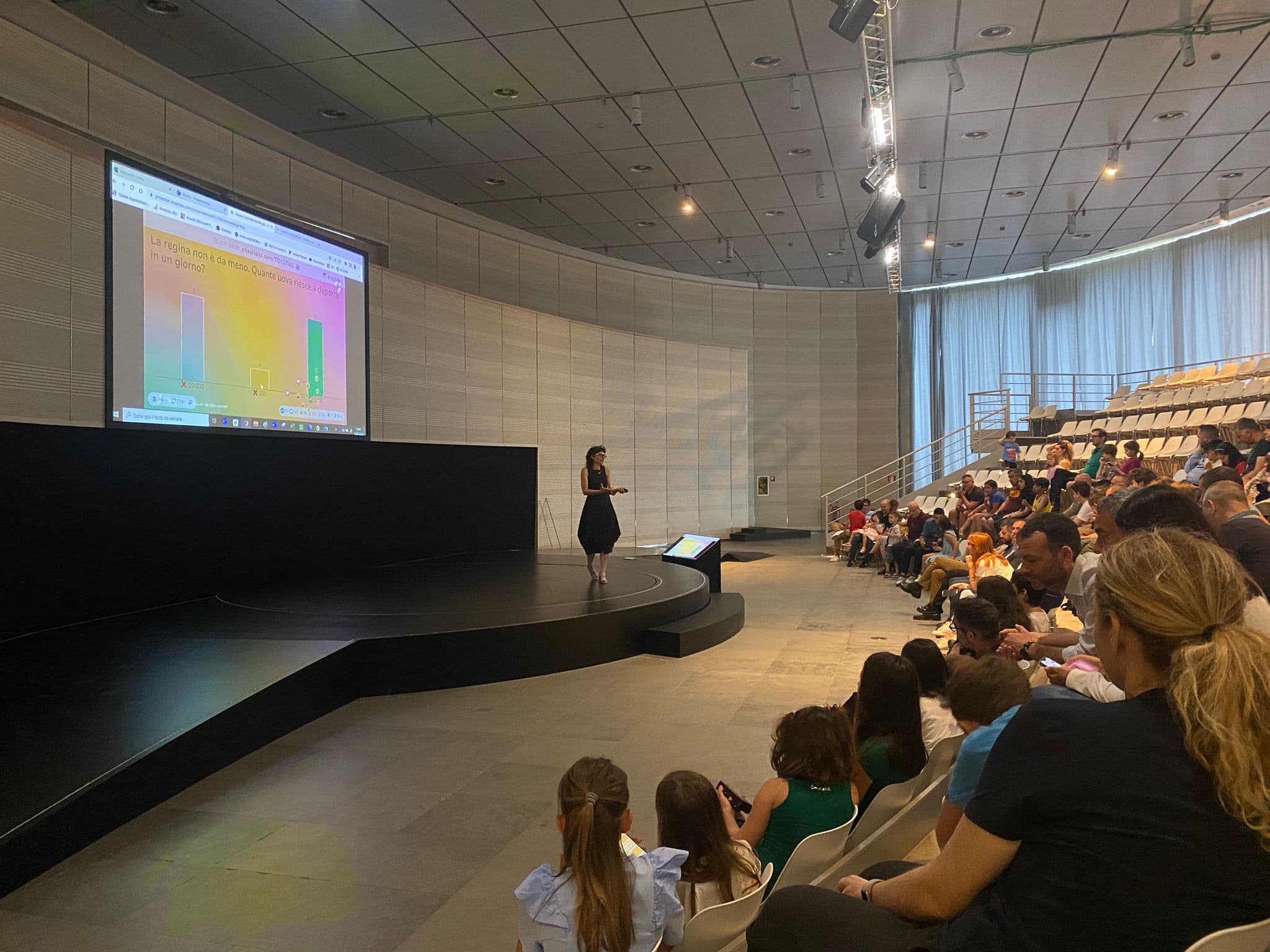
The heart of the Toyota project is people involvement. Experiential honey tasting workshops from Hive-Tech hives on site were activated, Academy training courses on biodiversity and public engagement activities that opened the project to the external community. A structured programme to transform environmental regeneration into shared corporate culture.
Model expansion and certified reporting
Consolidation of collected data into a certified biodiversity report compliant with major frameworks. The goal: to make the Toyota HQ model replicable across other group locations, with an integrated regeneration, monitoring and community engagement programme scalable at national and international level.
Monitoring data
monitored
identified
solitary bees
Regenerate 30% Target
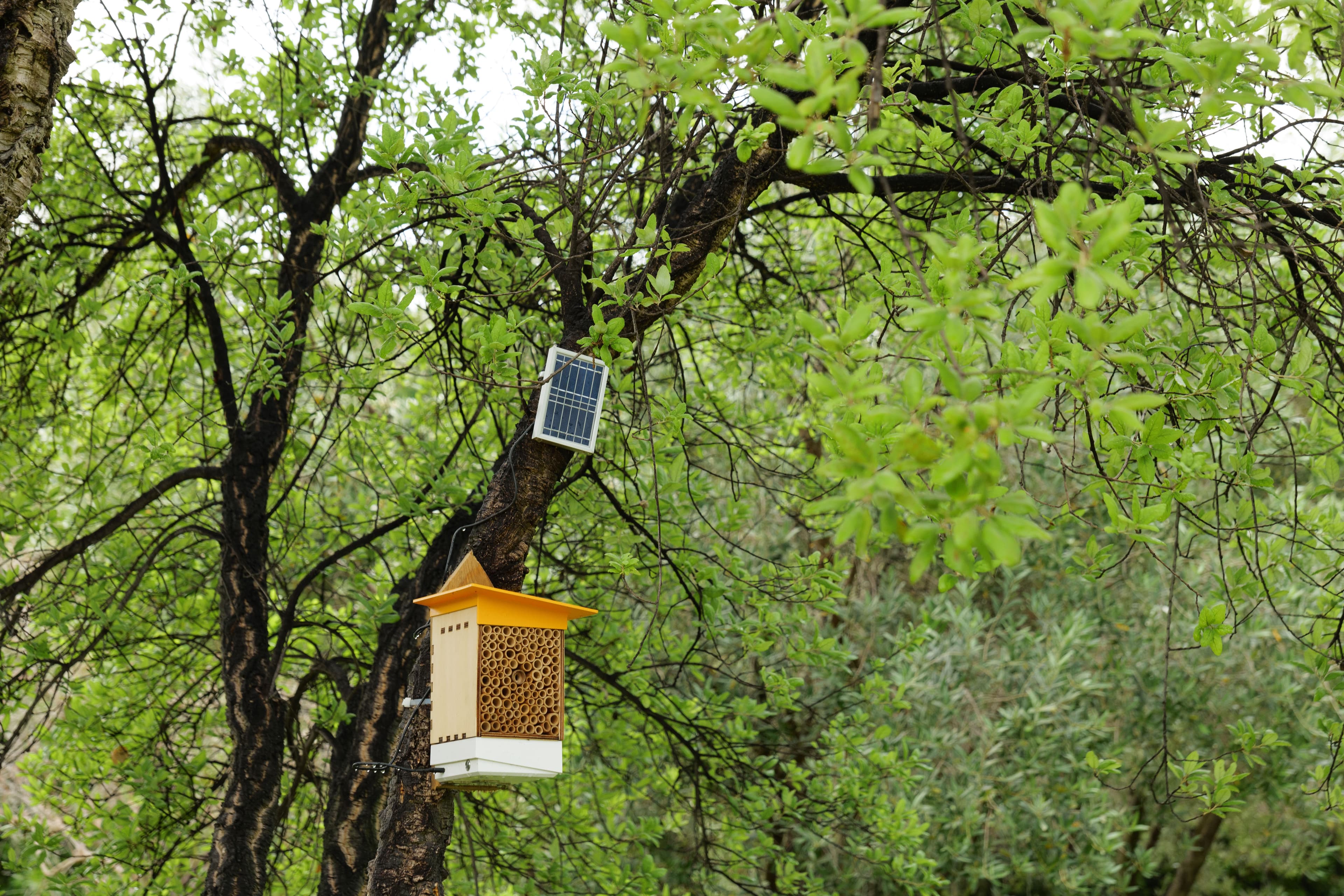
Data comes from the XNatura Environmental Platform and the 6 IoT devices installed at the Toyota HQ. The 11 pollinator clusters were identified by the Spectrum sensor through bioacoustic analysis, providing a picture of species diversity in the area. The 8 solitary bee shelters installed in the area provide nesting habitat for wild species essential for pollination. The site shows a Δ of 4.8 from the Regenerate 30% Target, the biodiversity level that ensures the ecological functionality of the area, a goal achievable with continued regeneration interventions.
The project addressed Toyota's initial needs on all fronts: HQ monitoring with scientific data complemented by remote regeneration interventions, a platform compliant with TNFD and GRI frameworks for ESG reporting, and a community engagement programme that made employees protagonists of the environmental transformation.
Monitoring in action
Key sections of the XNatura Environmental Platform dedicated to the Toyota project.
Land Use
Analysis of land use at the HQ and surrounding areas: natural, artificial, agricultural and water coverage over 16 monitored hectares.
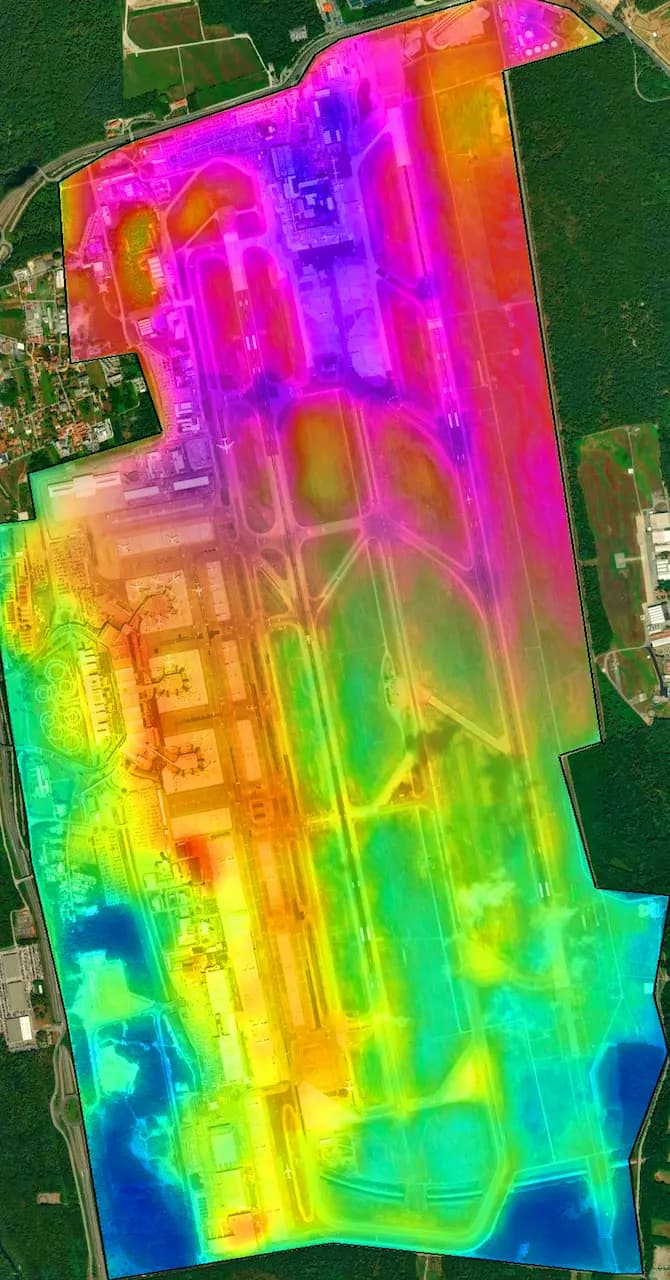
Microclimate
Microclimatic variations in the area: surface temperature, aridity, heat islands and environmental parameters of the HQ.
Biodiversity Status
Biodiversity indices of the HQ and surrounding areas: Mean Species Abundance, nesting sites, floral availability and proximity to protected areas.
Hive-Tech
Data from 4 Hive-Tech hives: temperature, humidity, weight and colony health, with 1,200,000 bees protected and honey production for workshops.
Access the XNatura Environmental Platform
The platform with which Toyota monitors biodiversity, bees, air quality and microclimate at its headquarters.
Do you want to regenerate your headquarters and engage employees?
XNatura supports companies across all sectors in projects combining environmental regeneration, technological monitoring and community engagement, with measurable results compliant with major reporting frameworks.
 Contact us for information about the platform or for specialized consulting in the environmental field.