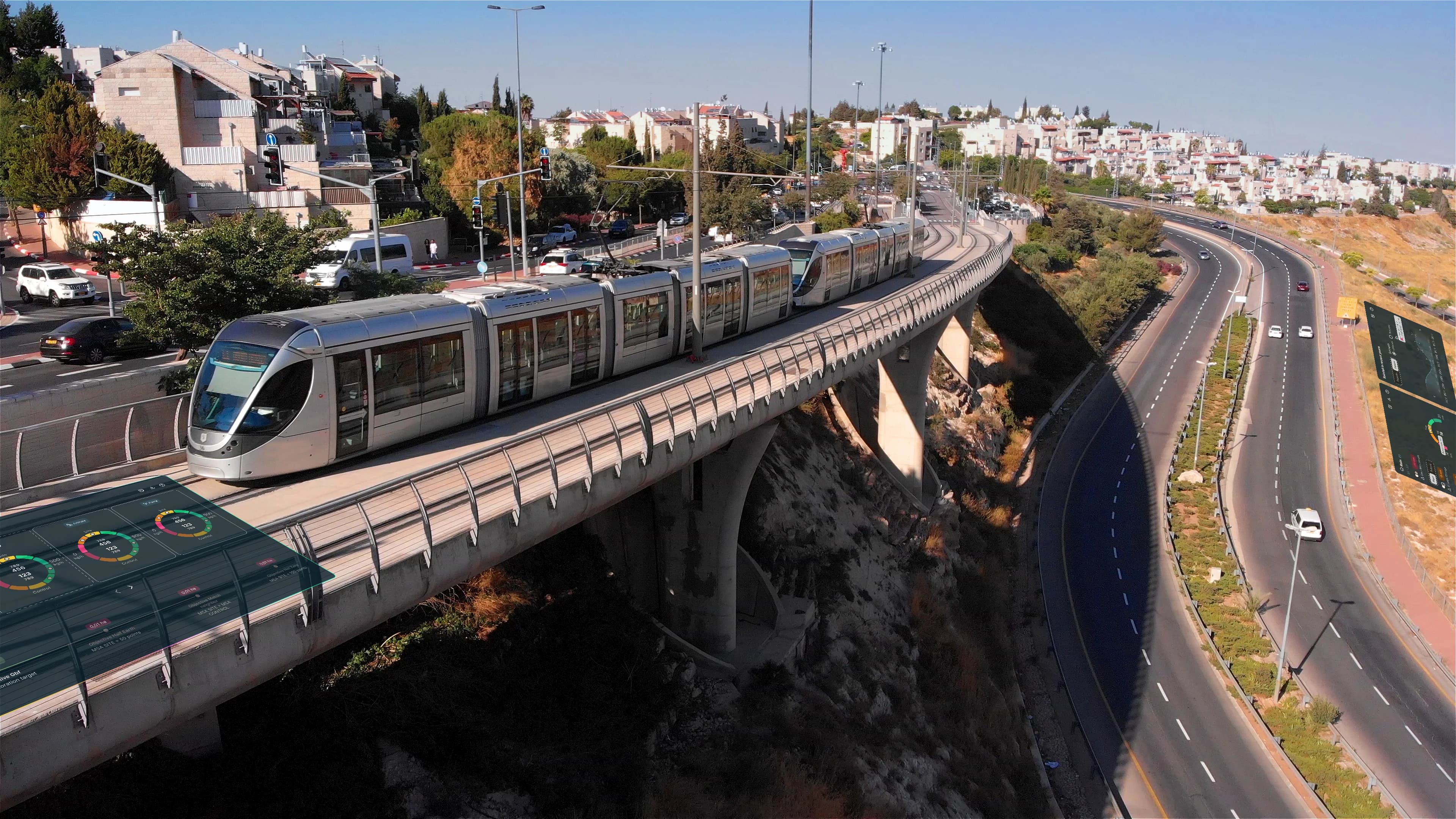
Biodiversity in the Florence tramway depots
Biodiversity monitoring in GEST tramway depots in Scandicci and Bagno a Ripoli: Spectrum sensors, satellite mapping and site-control comparison to assess the ecological impact of urban transport infrastructure and identify improvement actions.
monitored
monitored
installed
Tramway depots seal soil and alter urban habitats
Tramway depots and urban transport infrastructure seal large surfaces, generate heat islands, noise and vibrations, altering the remaining habitats in the urban fabric. The operation of the tramway network depends on soil stability, stormwater management and the climate resilience of sites — ecosystem services linked to the health of the surrounding vegetation and biodiversity.
Assess the ecological impact of the depots and define an action plan
GEST needed scientific data on the state of biodiversity in its tramway depots in Scandicci and Bagno a Ripoli to quantify the ecological impact of the infrastructure compared to the surrounding territory.
A measurable baseline was needed to build an action plan with concrete biodiversity improvement interventions for both sites.
Spectrum and satellite on 2 depots and 9.1 hectares
XNatura monitored both depots with satellite mapping and bioacoustic sensors, producing the site-control comparison for each site and a data-driven action plan.
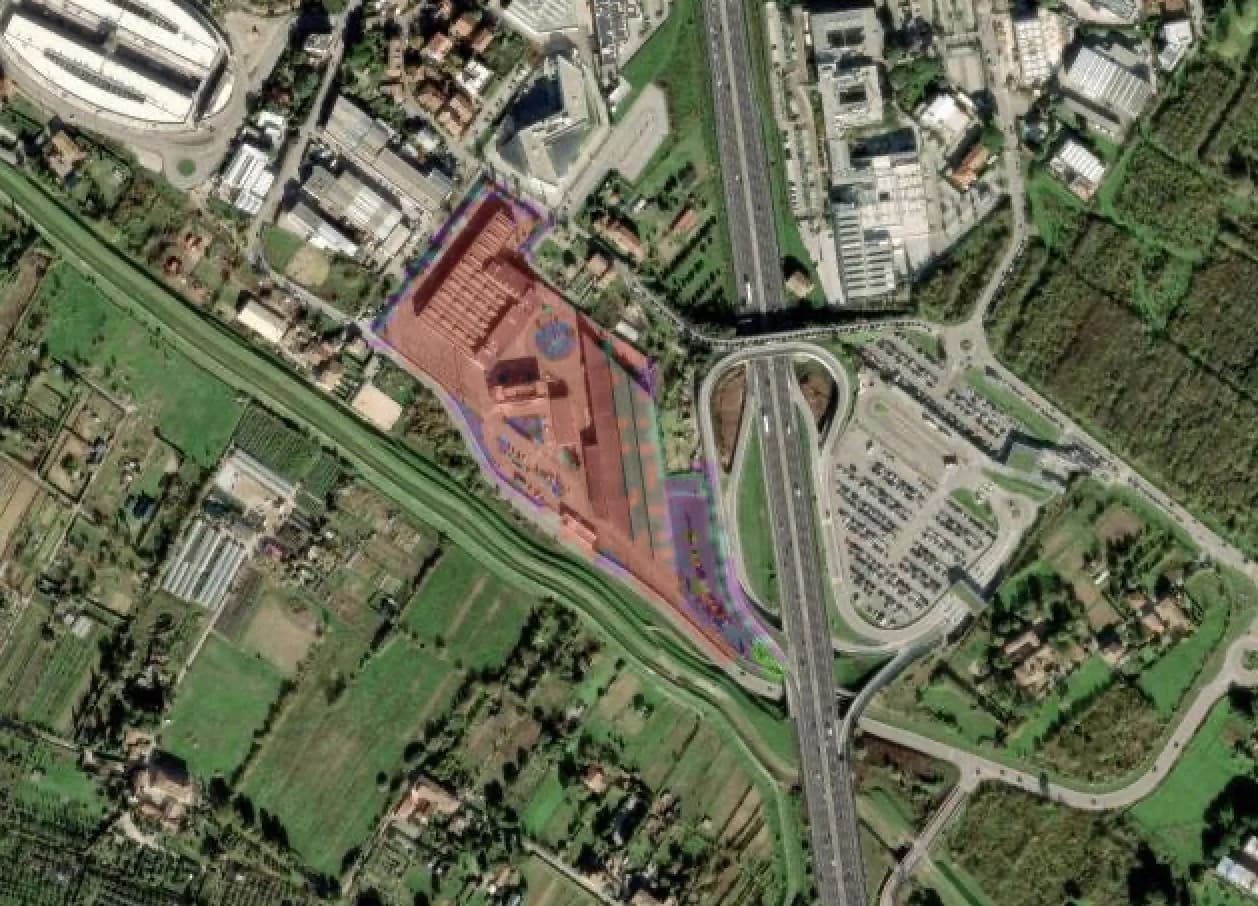
From depots to action plan
A project integrating satellite analysis and bioacoustic sensing across two tramway depots to quantify ecological impact and define improvement interventions.
Ecological assessment of the two depots
Satellite analysis mapped the combined 9.1 hectares of the Scandicci and Bagno a Ripoli depots and their respective control areas, producing the biodiversity index baseline including MSA, nectar potential, land cover and climate risks. The screening identified 5 protected areas within 10 km of the sites.
2 Spectrum sensors in the Scandicci depot
The 2 Spectrum sensors were installed in the Scandicci depot for continuous bioacoustic monitoring of wild pollinators. The devices detect the diversity and density of entomofauna, producing data on the insect community present in the depot area.
Ecological impact measured in each depot
Satellite and bioacoustic data were integrated to produce the site-control comparison for each depot. The analysis quantified the MSA Land Use delta between the depot areas and the surrounding territory, highlighting significant differences between Scandicci and Bagno a Ripoli.
Specific interventions for each depot
Based on the assessment results, XNatura developed an action plan with concrete biodiversity improvement interventions for each depot, calibrated to the ecological specificities and critical issues emerging from the site-control comparison.
From baseline to intervention verification
Data flow into the XNatura Environmental Platform, where GEST monitors the evolution of depot biodiversity over time. The goal is to verify the effectiveness of action plan interventions and build a time series for environmental reporting.
Data from GEST depots
Scandicci
Scandicci
Bagno a Ripoli
10 km of sites
The Scandicci depot shows a delta of –22 on the MSA Land Use index: the site reaches 18 versus 40.3 for the control area, indicating a significant impact of the infrastructure on local biodiversity. The 2 Spectrum sensors identified 16 distinct pollinator clusters, documenting the insect community present despite urban pressure.
The Bagno a Ripoli depot shows a smaller delta of –6 on the MSA Land Use index (29.6 site vs 35.6 control), suggesting less degraded ecological conditions. The presence of 5 protected areas within 10 km confirms the ecological connectivity potential of the sites. The results guide the action plan with differentiated priorities for each depot.
Monitoring in action
Key sections of the XNatura Environmental Platform dedicated to the GEST depots.
Biodiversity status
MSA indices, Natural Patches, nectar potential and site-control comparison in the Scandicci and Bagno a Ripoli depots.
Hydrogeological risk
Flood risk, landslide risk and hydrogeological analysis of the tramway depot areas.
Drought risk
Aridity indices, vegetation water stress and drought impact on the depot green areas.
Microclimate
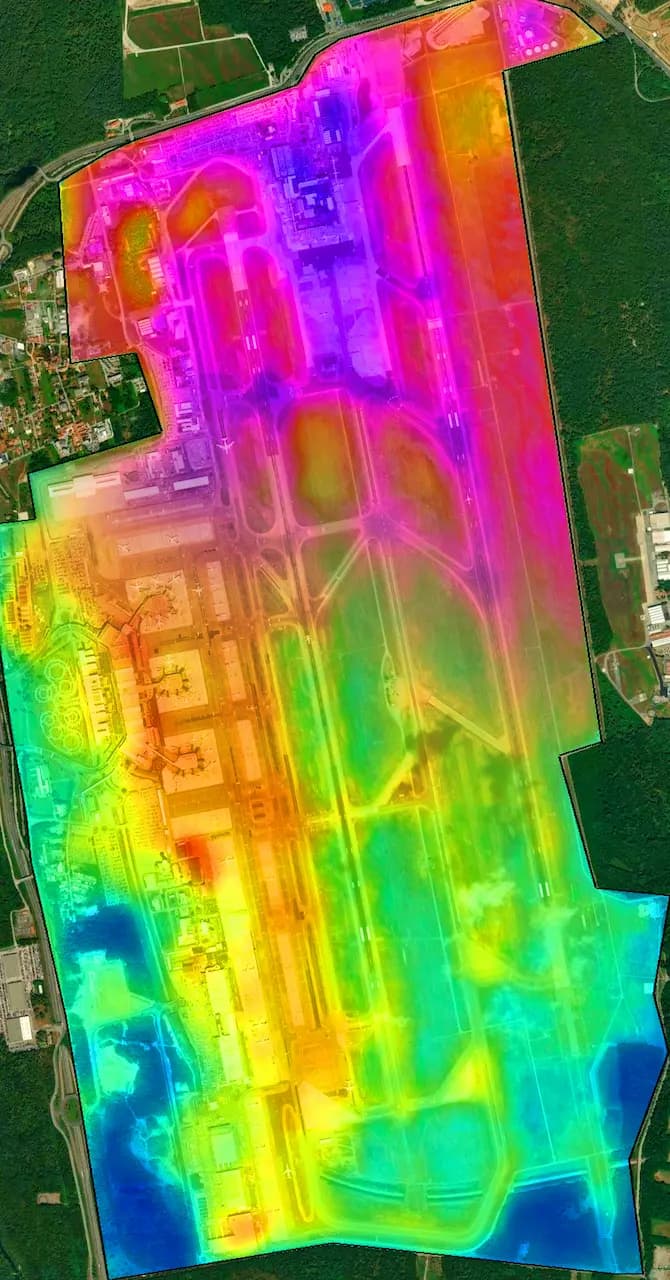
Ground temperature, urban heat islands and microclimatic variations in the tramway depot areas.
Access the XNatura Environmental Platform
The platform with which GEST monitors biodiversity in the Scandicci and Bagno a Ripoli tramway depots, with site-control comparison and bioacoustic data.
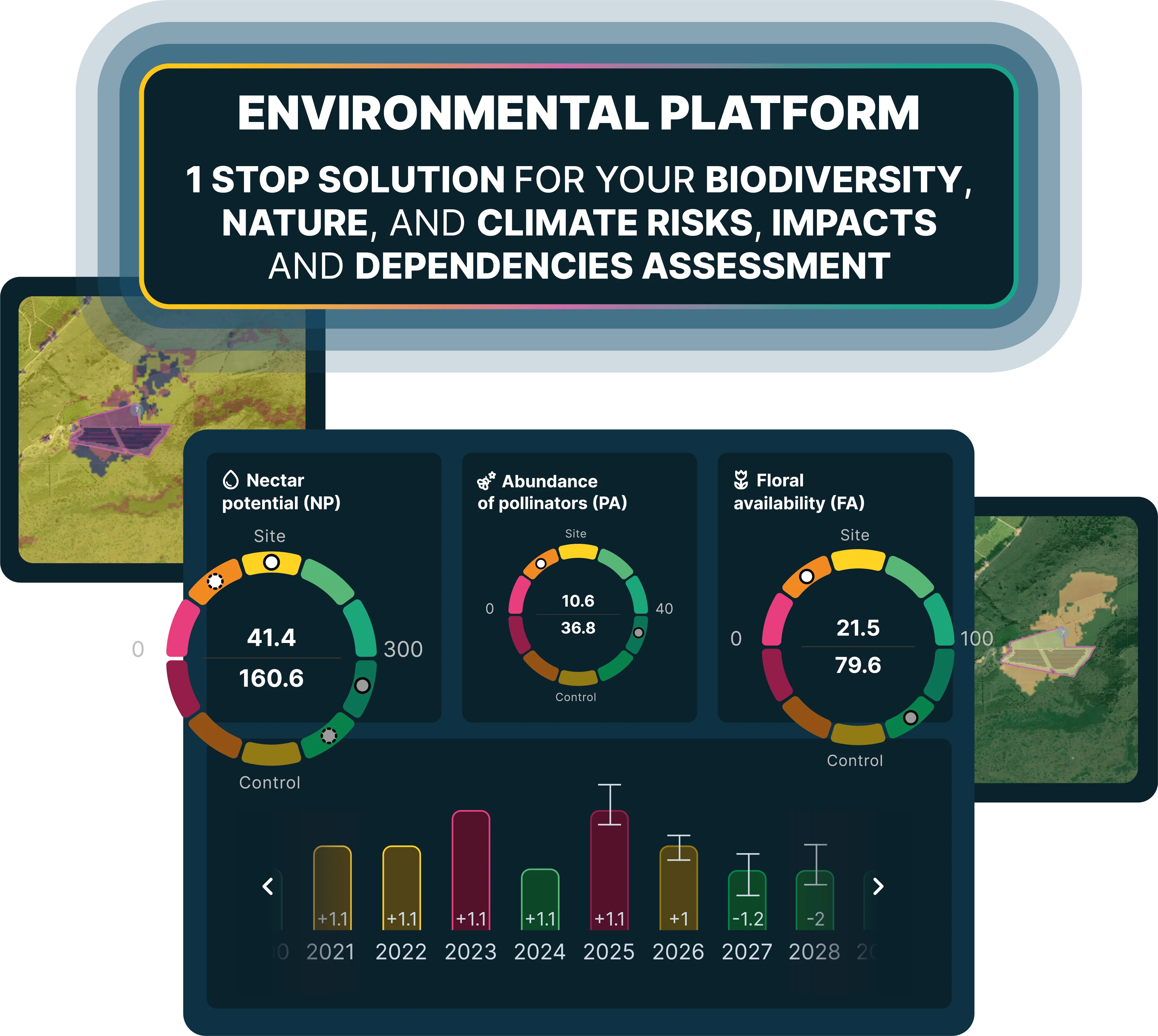
Do you want to measure the biodiversity of your transport infrastructure?
XNatura supports public transport operators, infrastructure managers and concession holders in biodiversity monitoring with IoT sensors, satellite mapping and validated scientific protocols.
 Contact us for information about the platform or for specialized consulting in the environmental field.