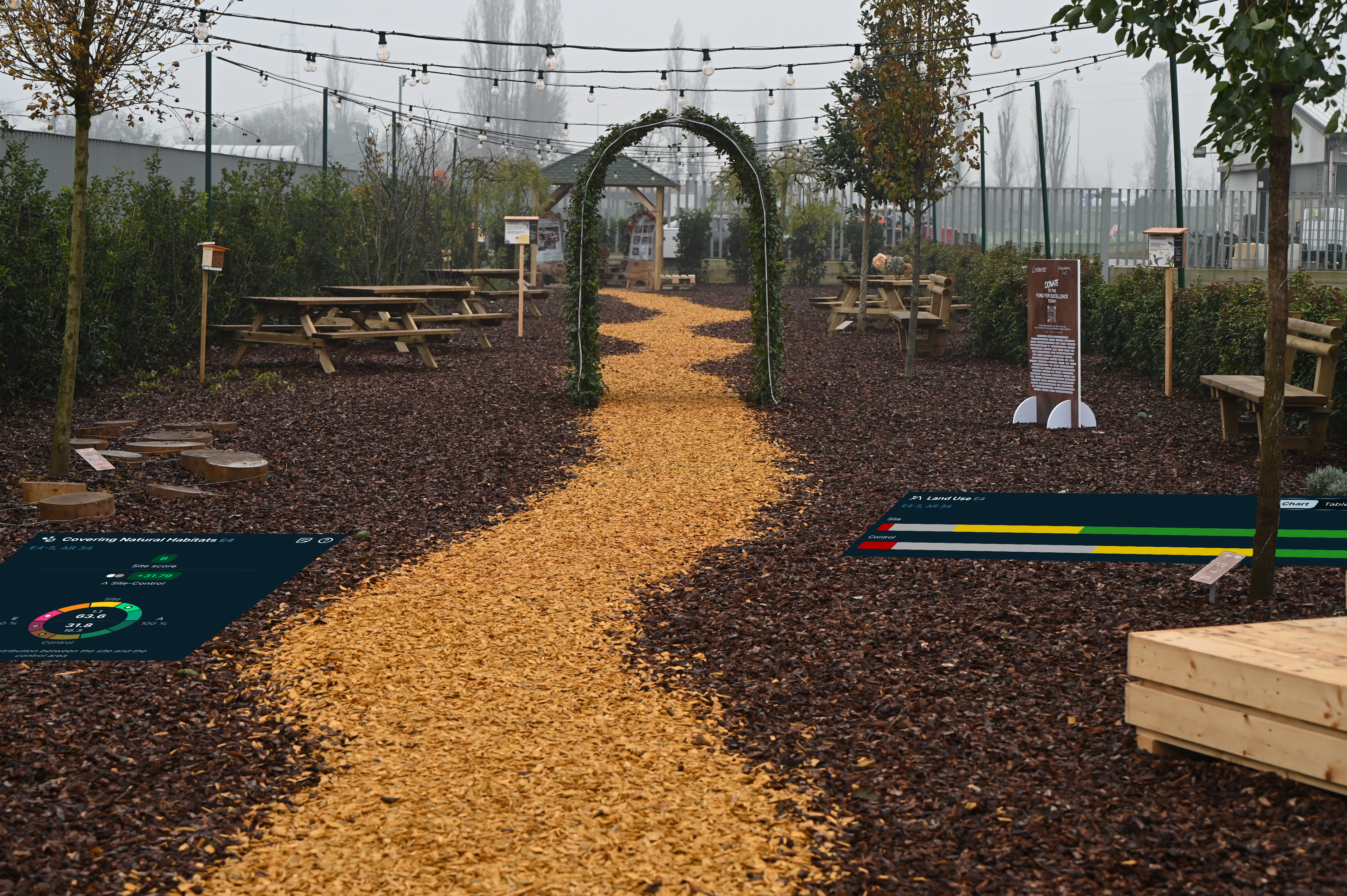
A monitored Learning Forest
Converting a campus sports field into a living biodiversity laboratory, with Spectrum sensor, PollyX, pollinator shelters, and a community engagement program involving students, families, and alumni.
shelters
installed
Spectrum
When school green spaces are an invisible ecological opportunity
Educational institutions occupy significant green spaces with direct impacts on local biodiversity through soil management and garden maintenance, while depending on air quality and microclimate to ensure a healthy environment for students and staff. In Milan's peri-urban belt, the progressive loss of pollinator habitat and ecosystem fragmentation are not just ecological problems: they reduce territorial resilience and impoverish the environmental quality in which new generations grow up.
Real data for teaching and community engagement
ASM needed to convert an sports field into a functional Learning Forest producing real environmental data students could use in biodiversity-focused lessons.
It also needed a community experience: sustainability groups had to shift from awareness to action, involving families in ecosystem stewardship.
IoT sensors, pollinator shelters, and an integrated educational pathway
XNatura designed a system turning the Learning Forest into a data-powered outdoor classroom with community engagement for students, teachers, and families.
From sports field to outdoor classroom
A project integrating IoT sensors, pollinator shelters, and satellite mapping to create a living biodiversity laboratory accessible to 900 students.
Mapping the campus ecological potential
Satellite analysis assessed the campus and surrounding peri-urban context: soil coverage, vegetation indices, nectar potential, and ecological connectivity with neighboring green areas.
Devices and shelters in the Learning Forest
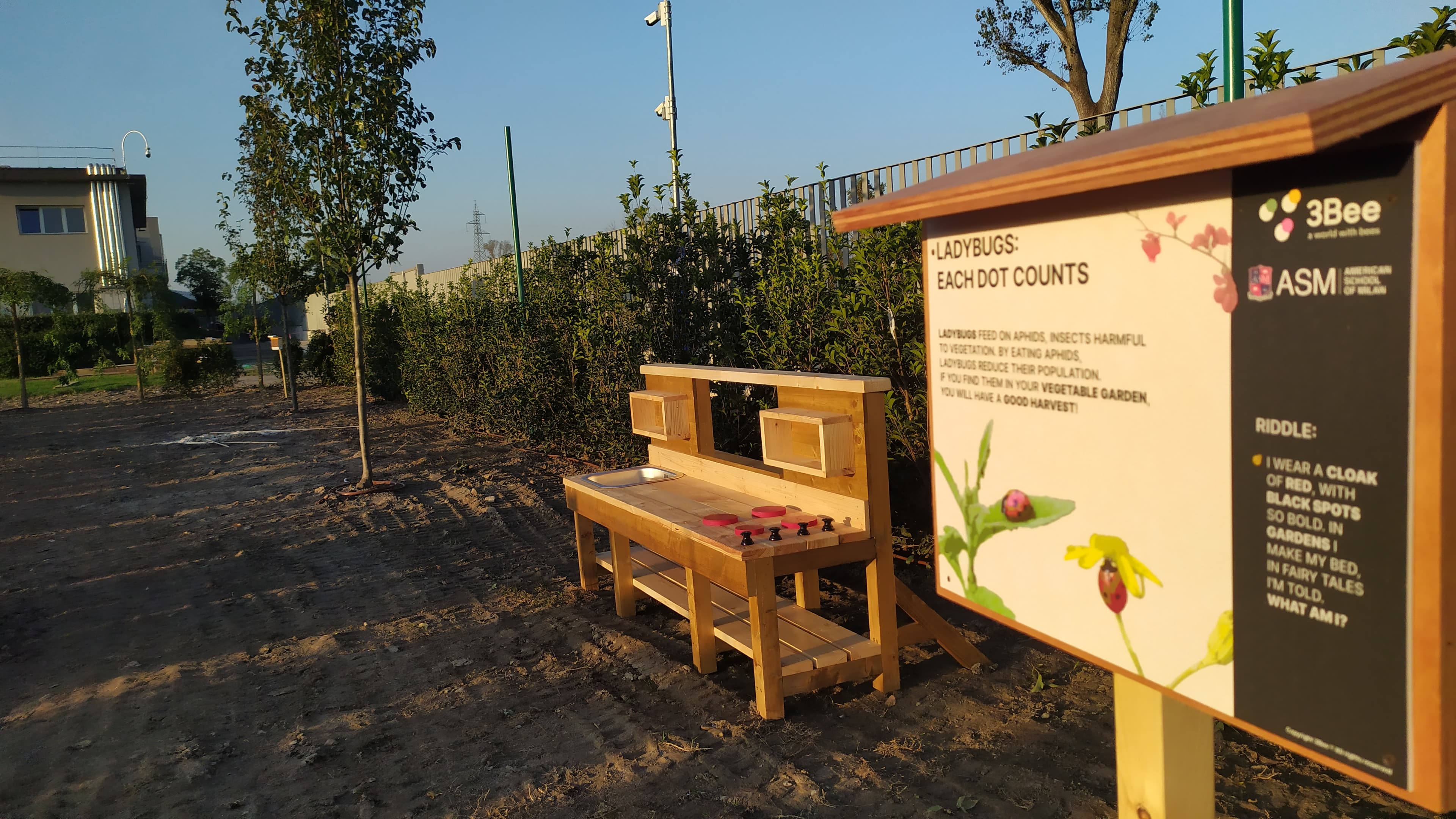
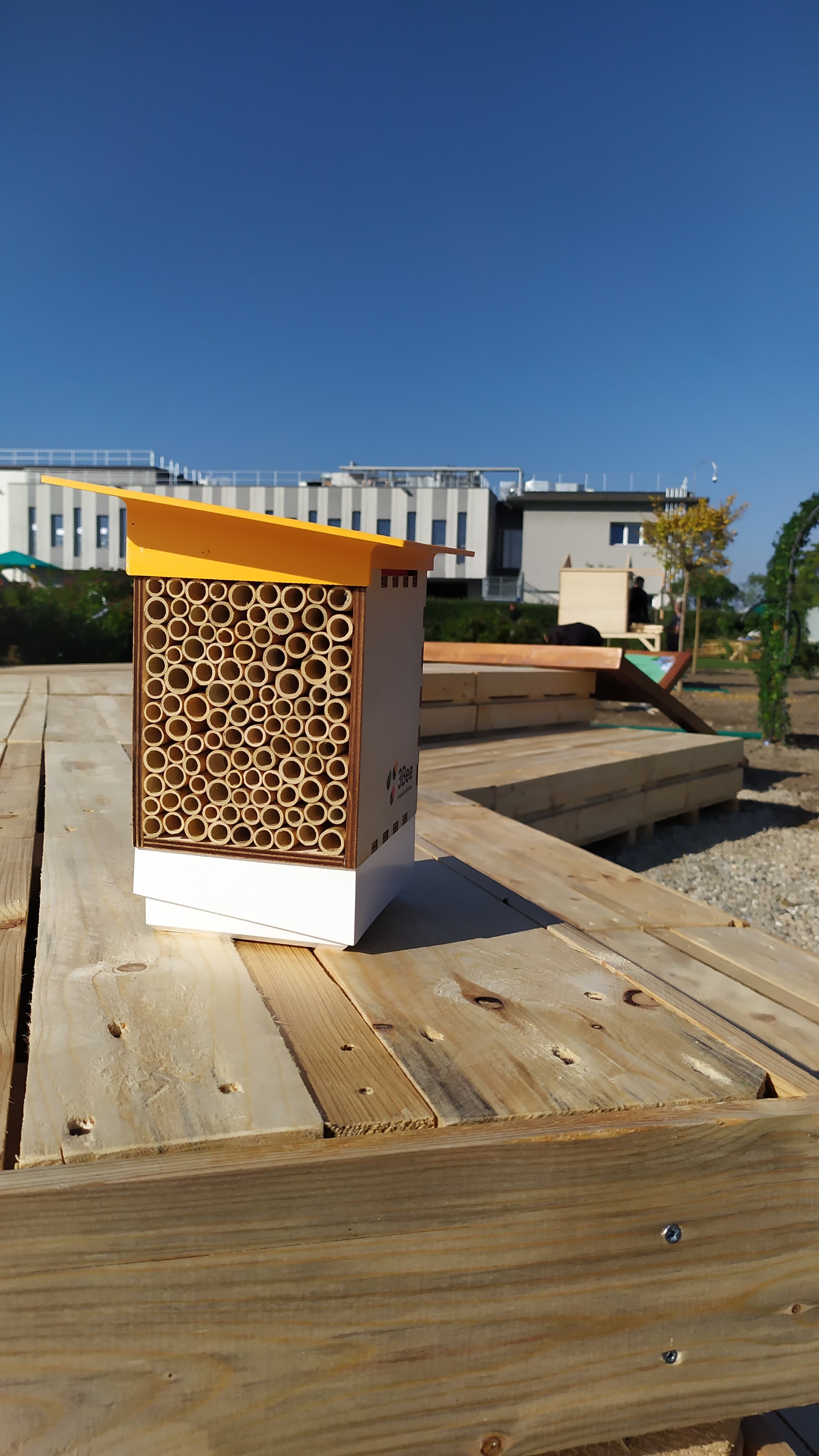
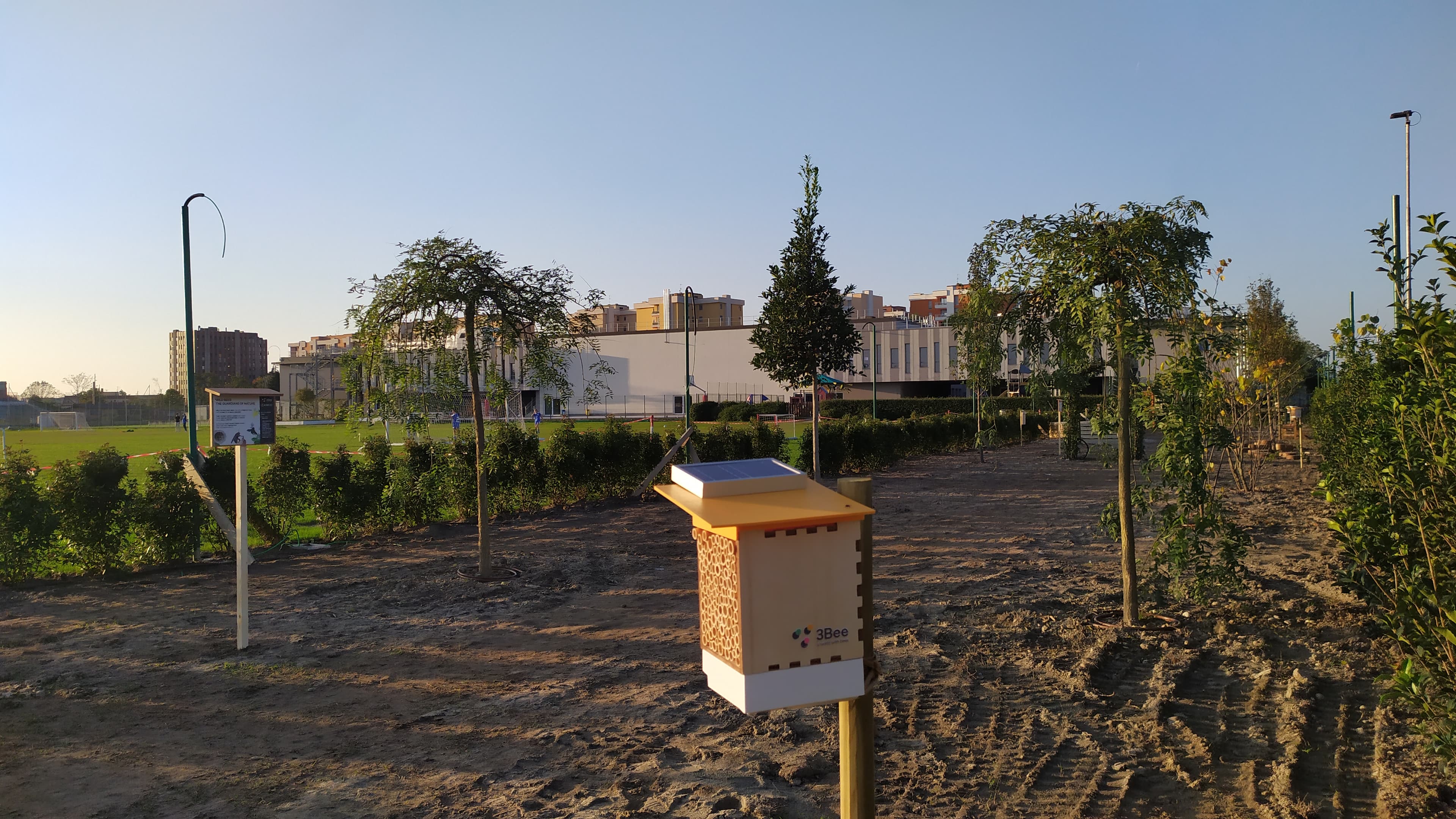
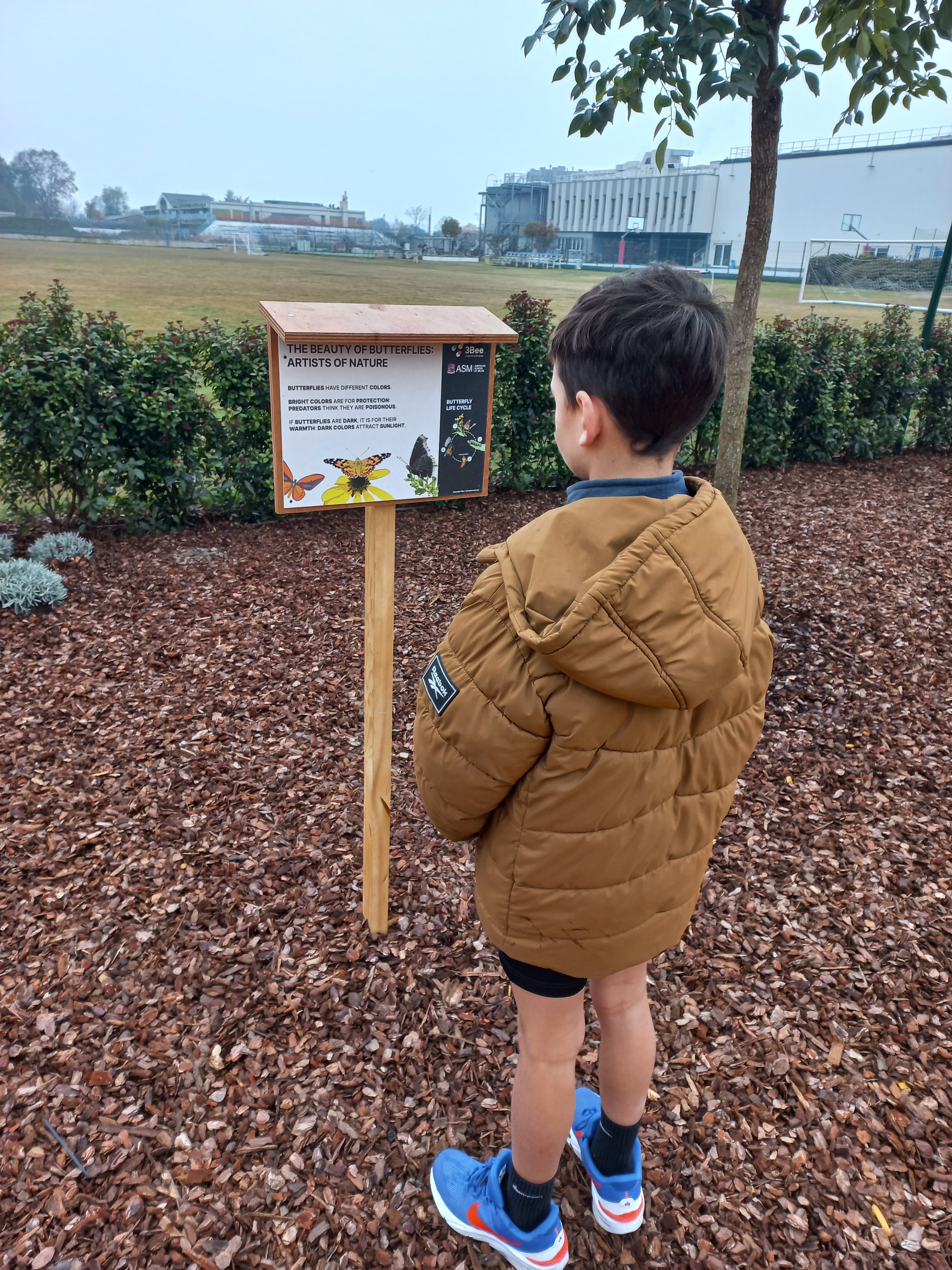
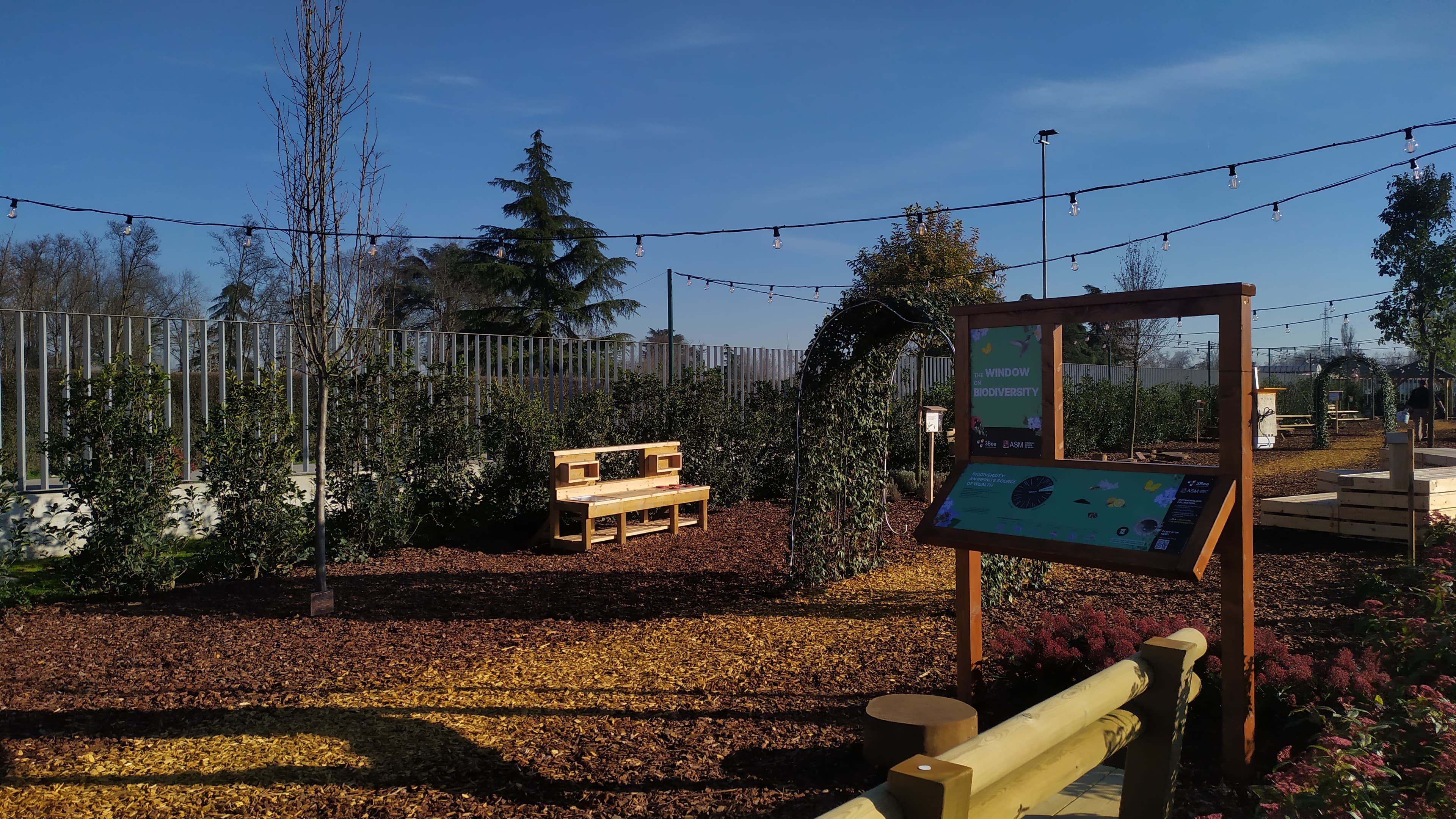
In the Learning Forest, 1 Spectrum for bioacoustic pollinator census, 4 PollyX for air quality and microclimate monitoring, and 6 total pollinator shelters (including PollyX) were installed. Interactive educational panels along the path explain how the sensors work and the role of pollinators in the ecosystem.
The community in the Learning Forest
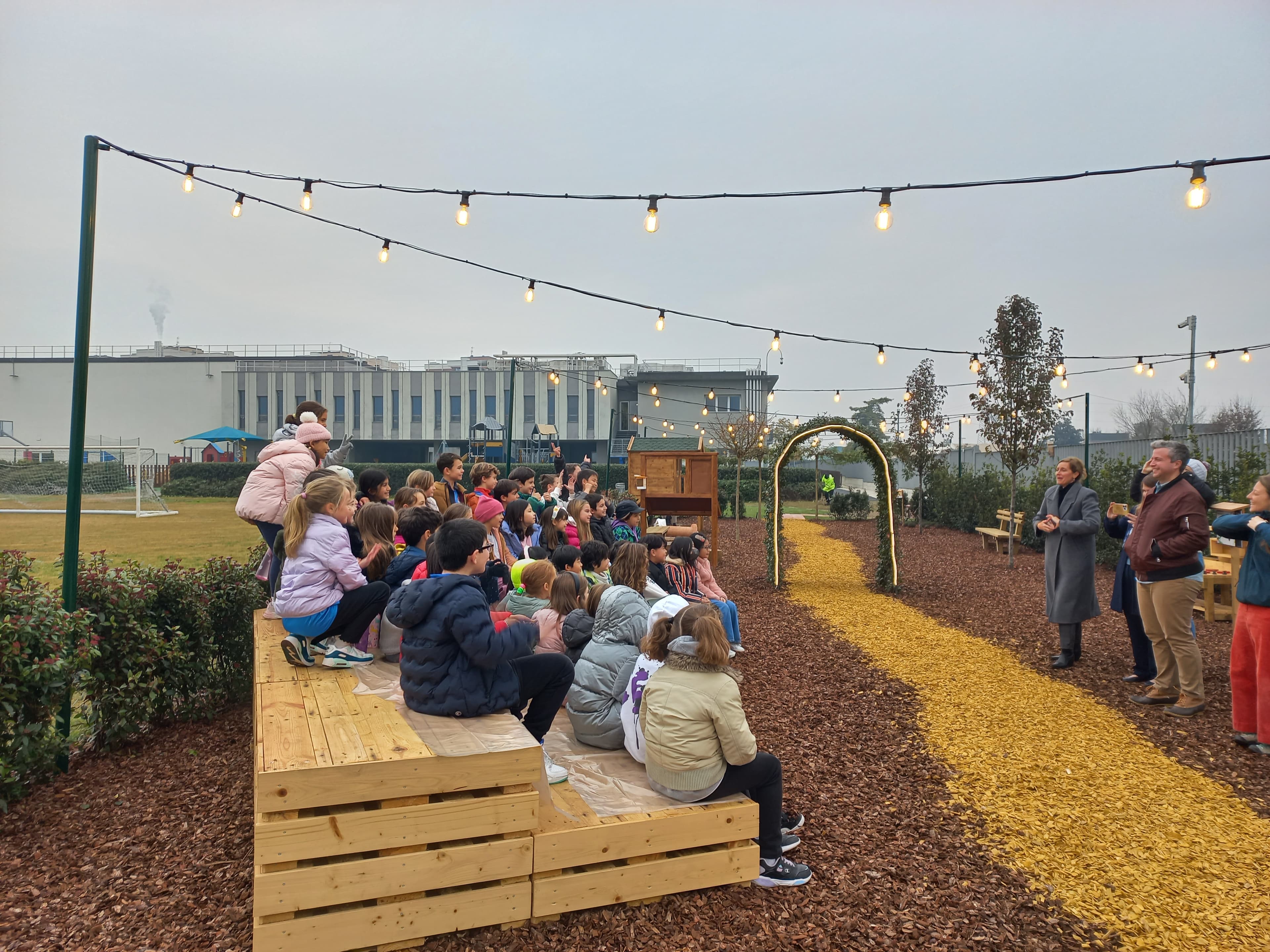
The inauguration involved the entire school community: student ambassadors presented the installed technologies, the Greenies, Eco Warriors, Green Team, and Student Council groups led activities, and the “Fund a Tree, Plant a Legacy” campaign allowed families to adopt trees and structures. XNatura platform data is now integrated into the educational curriculum: students analyze PollyX time series, observe shelter colonization, and study pollinator clusters identified by the Spectrum.
From campus to territory
Learning Forest data flows into the XNatura Environmental Platform, where the school monitors the evolution of campus biodiversity over time. The goal is to expand the model, connecting campus data with peri-urban context data to understand the Learning Forest's role in the local ecological network.
Data from the Learning Forest
monitored
identified
involved
The Spectrum recorded 119 pollinators on campus, classifying them into 13 distinct clusters: data demonstrating that even a peri-urban area south of Milan can host a diverse insect community, provided it finds adequate habitat. The shelters produced concrete results: the PollyX protected approximately 450 solitary bees (est.), while the 6 total pollinator shelters housed approximately 3,150 individuals (est.), confirming that offering nesting habitat on campus generates a measurable response.
This data is accessible to students on the XNatura platform and becomes living teaching material. The student groups active in sustainability use the platform to track population evolution season by season, compare results between different shelters, and present discoveries to the school community during events and inaugurations.
Monitoring in action
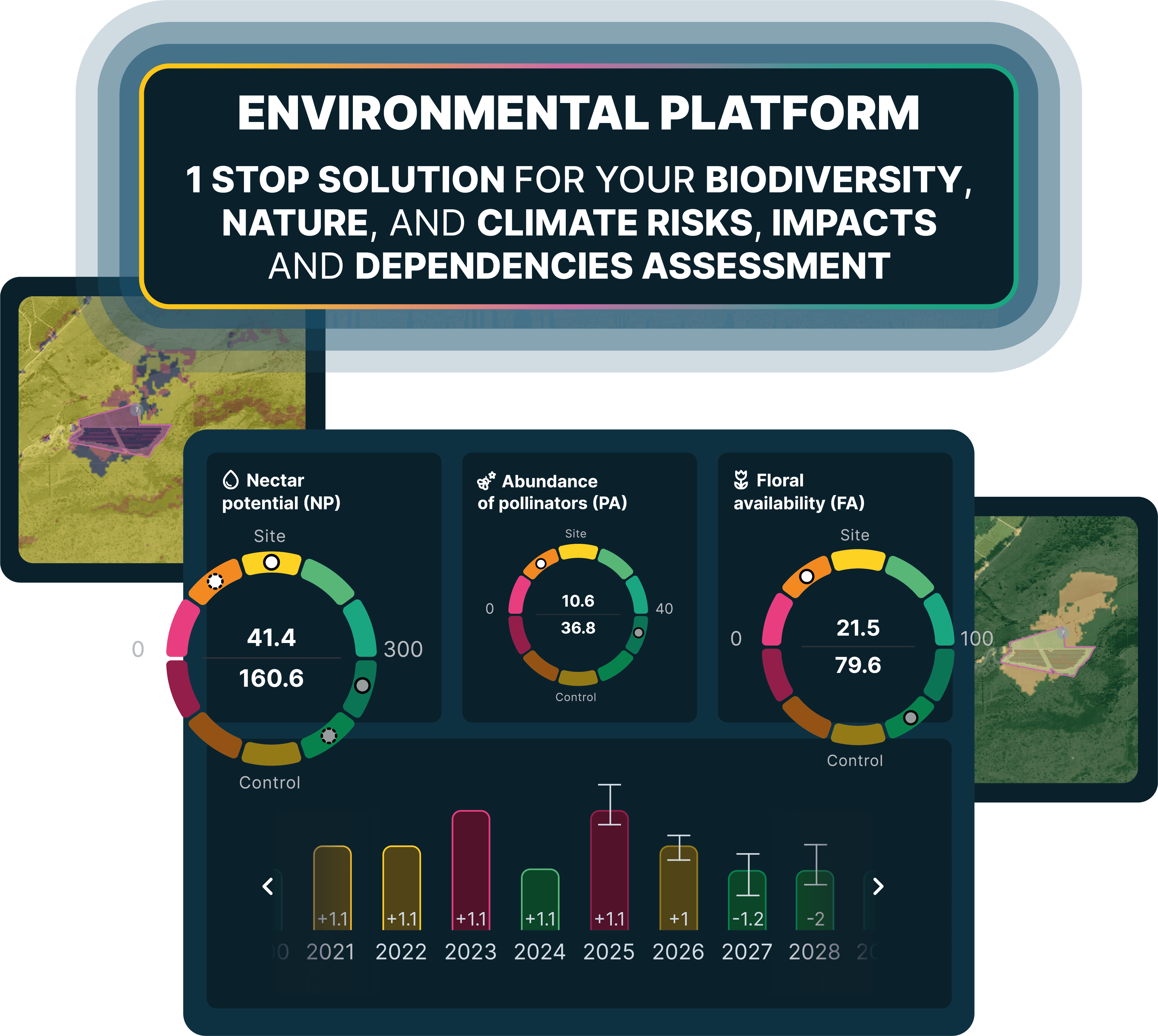
Key sections of the XNatura Environmental Platform dedicated to the ASM Learning Forest.
Biodiversity status
MSA indices, Natural Patches, floral availability, nectar potential, and pollinator distribution on campus and in the peri-urban context.
Sensors
Real-time data from the bioacoustic Spectrum and 4 PollyX sensors: pollinator clusters, air quality, PM10, PM2.5, temperature, and humidity.
Microclimate
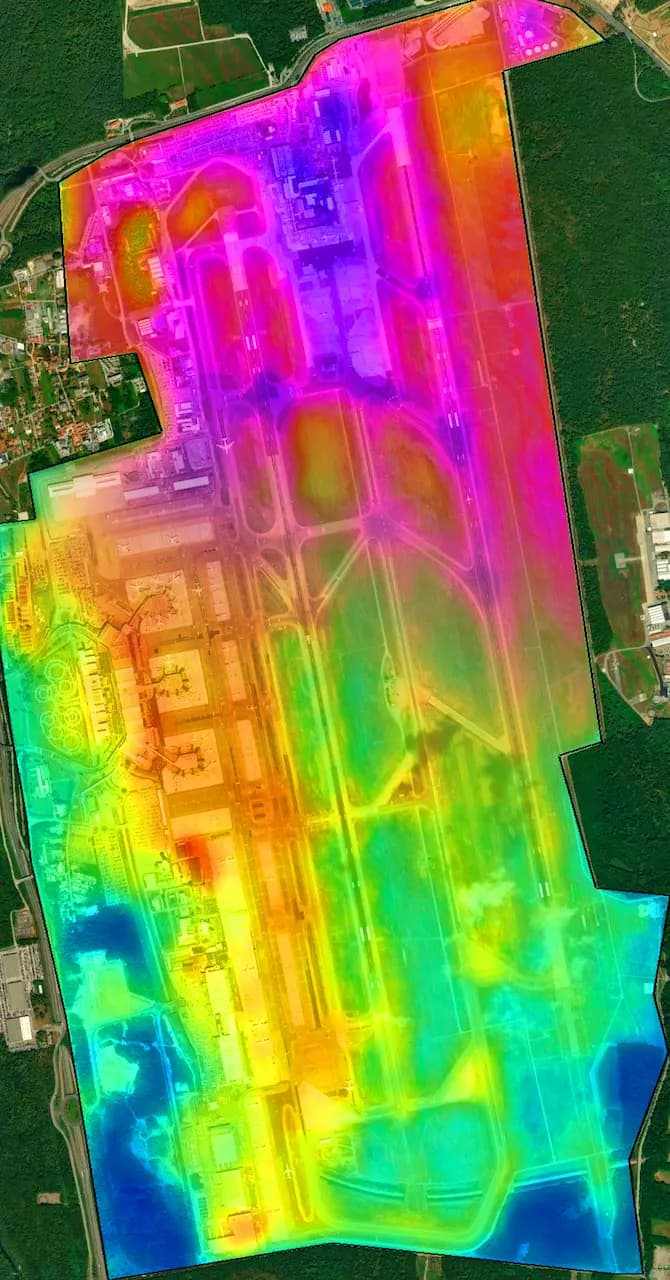
Surface temperature, heat island, light pollution, and microclimatic parameters of the campus and surrounding area.
Hydrogeological risk
Flood risk, soil permeability, and hydrogeological analysis of the campus for water management planning.
Access the XNatura Environmental Platform
The platform with which the American School of Milan monitors Learning Forest biodiversity and integrates environmental data into the educational pathway.
Do you want to monitor your campus biodiversity?
XNatura supports schools, universities, and educational institutions in monitoring and regenerating biodiversity, with IoT sensors, satellite mapping, and integrated educational pathways, transforming green spaces into living laboratories powered by real data.
 Contact us for information about the platform or for specialized consulting in the environmental field.