









Case study · Cities & real estate
The last Lombard heathlands, listened to by sensors
Conservation of heathland and forest habitats across 8,131 hectares of protected area under strong anthropic pressure, with bioacoustic sensors, technological beehives and satellite mapping.

Unique heathlands disappearing under urban pressure
Peri-urban protected areas face constant pressure. Habitat fragmentation, invasive species, light pollution and land consumption erode biodiversity year after year. Pollinator decline and heathland degradation compromise ecosystem services such as water regulation, air quality and urban heat island mitigation. Yet a peri-urban park is also an opportunity: a biodiversity reservoir that, if monitored with scientific data, can act as an ecological reconnection node between fragmented areas.
The challenge
A continuous census to know where biodiversity persists and where it doesn't
The Park's heathlands are among the last on the Lombard plain, but management lacked a structured, continuous overview of ecosystem health. Multi-habitat monitoring was needed. Only with current data can managers decide where to act and how to allocate resources, separating thriving areas from those declining.
What we did
BioGro: Spectrum, Hive-Tech and academic research across 8,131 hectares
XNatura designed the monitoring within the BioGro project, with the Universities of Milan and Turin, combining IoT sensors and satellite analysis.
In the field


How we did it
From satellite analysis to field monitoring
A project integrating remote sensing, bioacoustic IoT sensors, biomonitoring with beehives and citizen science, in collaboration with the Universities of Milan and Turin.
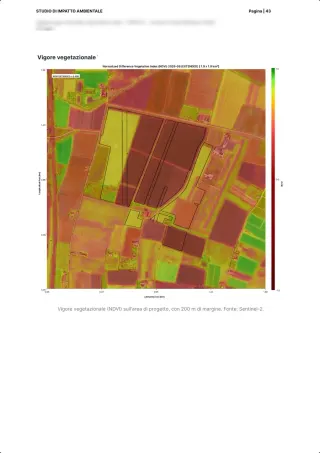
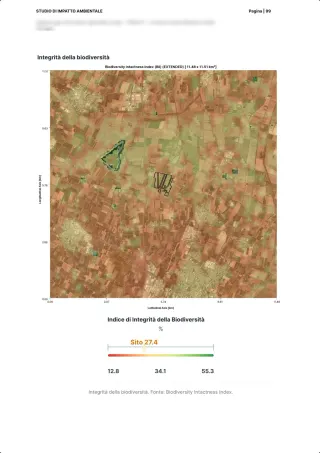
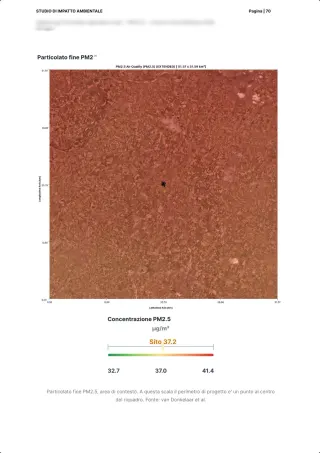
- 01Satellite analysis across 8,131 hectaresBefore deploying sensors in the field, it was necessary to understand where to focus efforts. The satellite mapping of the entire Park, processed with artificial intelligence models, produced a picture of biodiversity potential area by area: vegetation indices, nectar potential, land cover. This made it possible to identify the most promising and most degraded habitats, guiding the choice of field monitoring stations.
- 028 Spectrum and 4 Hive-Tech in the fieldTo listen to pollinators in the Park's different environments, 8 bioacoustic Spectrum sensors were placed at 4 stations selected based on the satellite mapping: heathland, broadleaf woodland, wetland and urban fringe. In parallel, 4 beehives already present in the Park were equipped with Hive-Tech technology, turning the colonies into biomonitoring stations capable of detecting weight, temperature, humidity and sound intensity.
- 03Transects, butterflies and trainingUnderstanding pollinator status cannot exclude diurnal butterflies: in collaboration with the Universities of Milan and Turin, monitoring transects in Special Conservation Zones were doubled from 2 to 4 to cover more ecotypes. Biweekly sampling (April-September) using non-invasive methods feeds the European eBMS database. Sustainable beekeeping courses train beekeepers as biodiversity cultivators, and Voluntary Ecological Guards strengthen the citizen science network.
- 04From data to conservation strategiesThe true goal of monitoring is to translate data into management decisions. Spectrum, Hive-Tech, transects and satellite analysis converge in the XNatura Environmental Platform, giving the Park a single dashboard to identify where to remove alien species, where to reintroduce native species, how to manage heathlands and where to plan restoration interventions. Continuous monitoring enables adaptive management: priorities are updated with data, not estimates.
What the data says
Data from the Park
For the first time, Parco delle Groane has a continuous bioacoustic census of its pollinators: 5,800 individuals monitored and 19 different clusters identified by the 8 Spectrum sensors at 4 multi-habitat stations. The data, collected across 11 polygons analysed on site, made it possible to correlate species abundance and diversity with different land cover types, confirming heathland areas as biodiversity hotspots and flagging urban fringe zones as the most impoverished.
The presence of 10 protected areas within 5 km of the site places the Park in an ecological context of great value, strengthening its role as a node in the regional conservation network. Satellite mapping covered all 8,131 hectares, estimating nectar potential for each habitat and generating concrete guidelines for restoration. Butterfly transects, doubled from 2 to 4, brought data from the Lombard plain into the European eBMS database, placing the Park in a continental monitoring network.
Monitoring in action
Monitoring in action
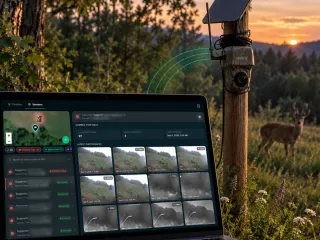
Key sections of the XNatura Environmental Platform dedicated to the Parco delle Groane e della Brughiera Briantea.
The platform
Access the XNatura Environmental Platform
The platform with which Parco delle Groane monitors biodiversity across 8,131 hectares of heathlands, woodlands and wetlands.
Log in to the platform →
FAQ
Frequently asked questions
What was the environmental challenge at Parco delle Groane?
Unique heathlands disappearing under urban pressure. Peri-urban protected areas face constant pressure. Habitat fragmentation, invasive species, light pollution and land consumption erode biodiversity year after year. Pollinator decline and heathland degradation compromise ecosystem services such as water regulation, air quality and urban heat island mitigation. Yet a peri-urban park is also an opportunity: a biodiversity reservoir that, if monitored with scientific data, can act as an ecological reconnection node between fragmented areas.
What method did XNatura use at Parco delle Groane?
A project integrating remote sensing, bioacoustic IoT sensors, biomonitoring with beehives and citizen science, in collaboration with the Universities of Milan and Turin.
What data came out of the Parco delle Groane project?
For the first time, Parco delle Groane has a continuous bioacoustic census of its pollinators: 5,800 individuals monitored and 19 different clusters identified by the 8 Spectrum sensors at 4 multi-habitat stations. The data, collected across 11 polygons analysed on site, made it possible to correlate species abundance and diversity with different land cover types, confirming heathland areas as biodiversity hotspots and flagging urban fringe zones as the most impoverished. The presence of 10 protected areas within 5 km of the site places the Park in an ecological context of great value, strengthening its role as a node in the regional conservation network. Satellite mapping covered all 8,131 hectares, estimating nectar potential for each habitat and generating concrete guidelines for restoration. Butterfly transects, doubled from 2 to 4, brought data from the Lombard plain into the European eBMS database, placing the Park in a continental monitoring network.
What access does Parco delle Groane have to the XNatura platform now?
The platform with which Parco delle Groane monitors biodiversity across 8,131 hectares of heathlands, woodlands and wetlands.
Do you want to monitor your park's biodiversity?
XNatura supports natural parks, municipalities and protected areas in biodiversity monitoring and conservation, with bioacoustic IoT sensors, satellite mapping and validated scientific protocols, producing data integrable with management and reporting frameworks.
Do you want to monitor your park's biodiversity?
XNatura supports natural parks, municipalities and protected areas in biodiversity monitoring and conservation, with bioacoustic IoT sensors, satellite mapping and validated scientific protocols, producing data integrable with management and reporting frameworks.
More in Cities & real estate
 Affari Pubblici x VISA · Cities & real estateFrom parking lot to monitored green areaRead the case study
 American School of Milan · Cities & real estateA monitored Learning ForestRead the case study
 BAM · Cities & real estateNine hectares of measured biodiversity in the heart of MilanRead the case study