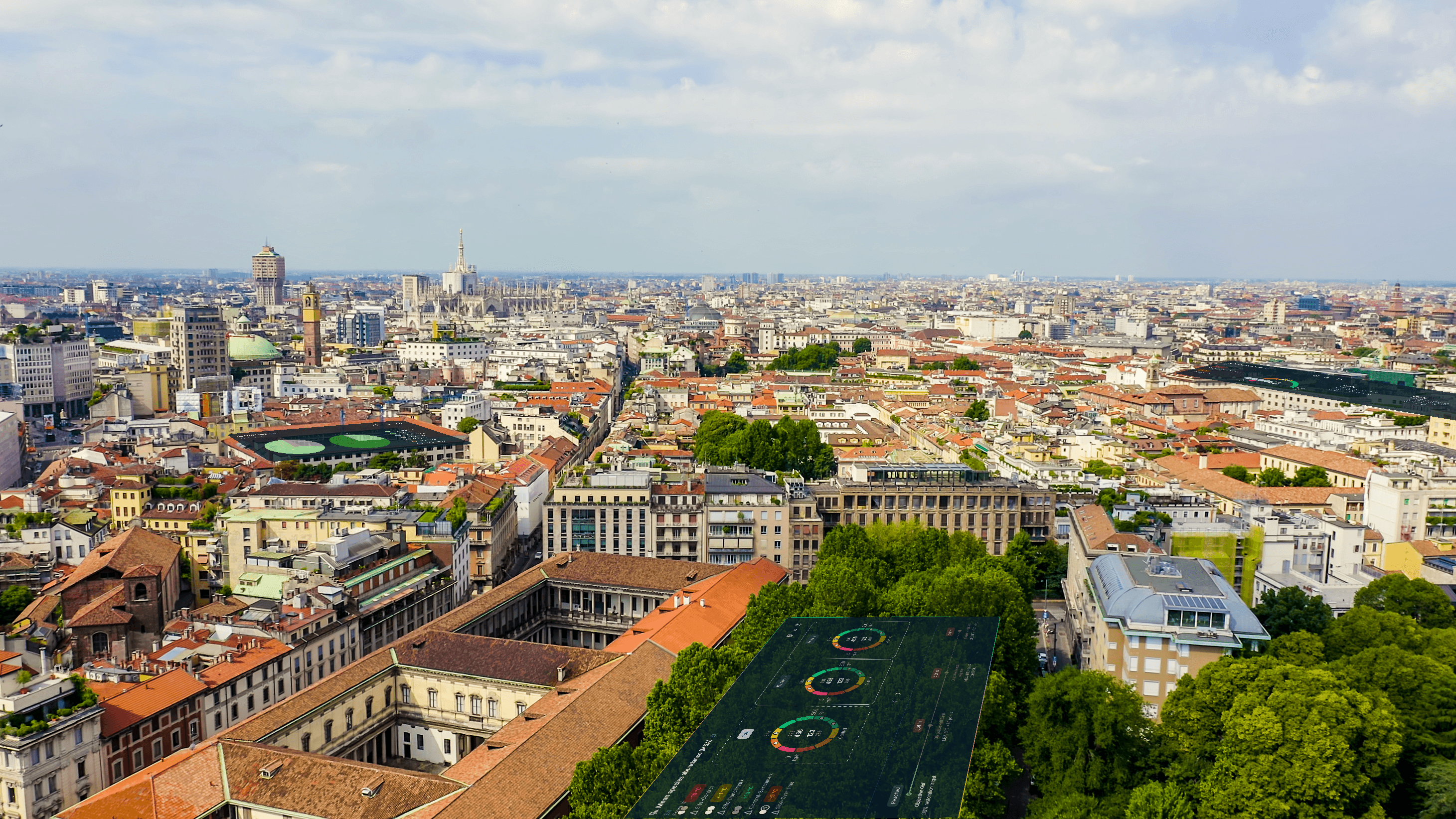
Biodiversity at the heart of urban planning
Satellite monitoring of biodiversity in the new Santa Giulia District in Milan, with ecosystem analysis and field surveys via the Biodiversa app, to integrate nature into urban design.
generated
monitored
observations
Designing a district with biodiversity as its foundation
Urban development is a key driver of biodiversity loss. Construction expansion and soil sealing destroy natural habitats, fragment ecosystems and degrade essential services like thermal regulation, water drainage and air quality.
Integrating biodiversity into the urban design of the new district
The Santa Giulia District required an objective biodiversity assessment to understand ecological potential and plan urban greening on scientific data.
An approach to map biodiversity and pollinator resources was needed, evaluating vegetation cover and environmental risks for sustainable design.
Satellite monitoring and field surveys
XNatura responded with an ecological programme combining satellite analysis, biodiversity indicators and field surveys via Biodiversa.
From satellite mapping to a biodiverse district
An ecological assessment programme combining satellite analysis, biodiversity indicators and field surveys to integrate nature into the urban planning of the new district.
Ecological assessment of the area with Flora (ESA)
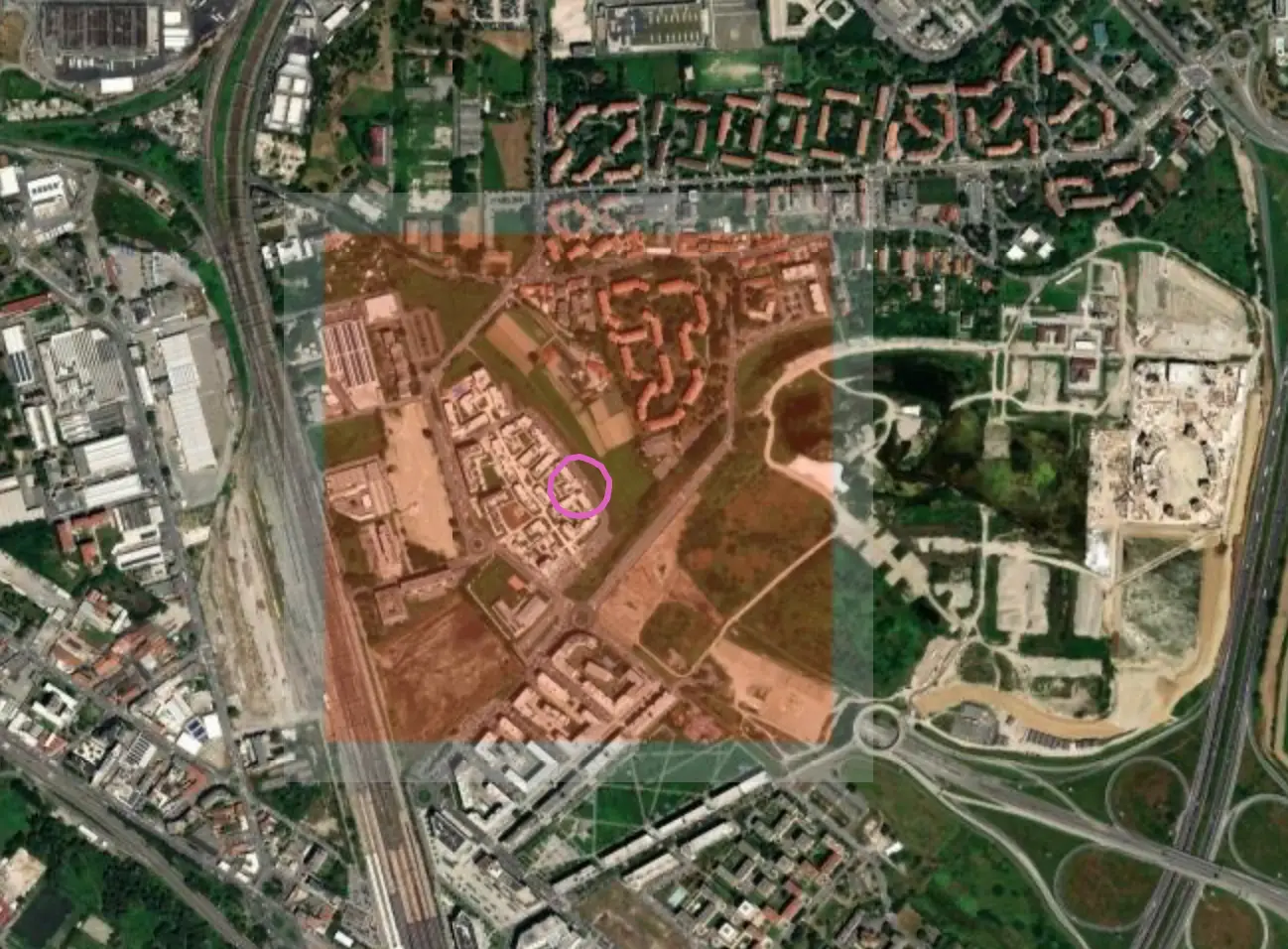
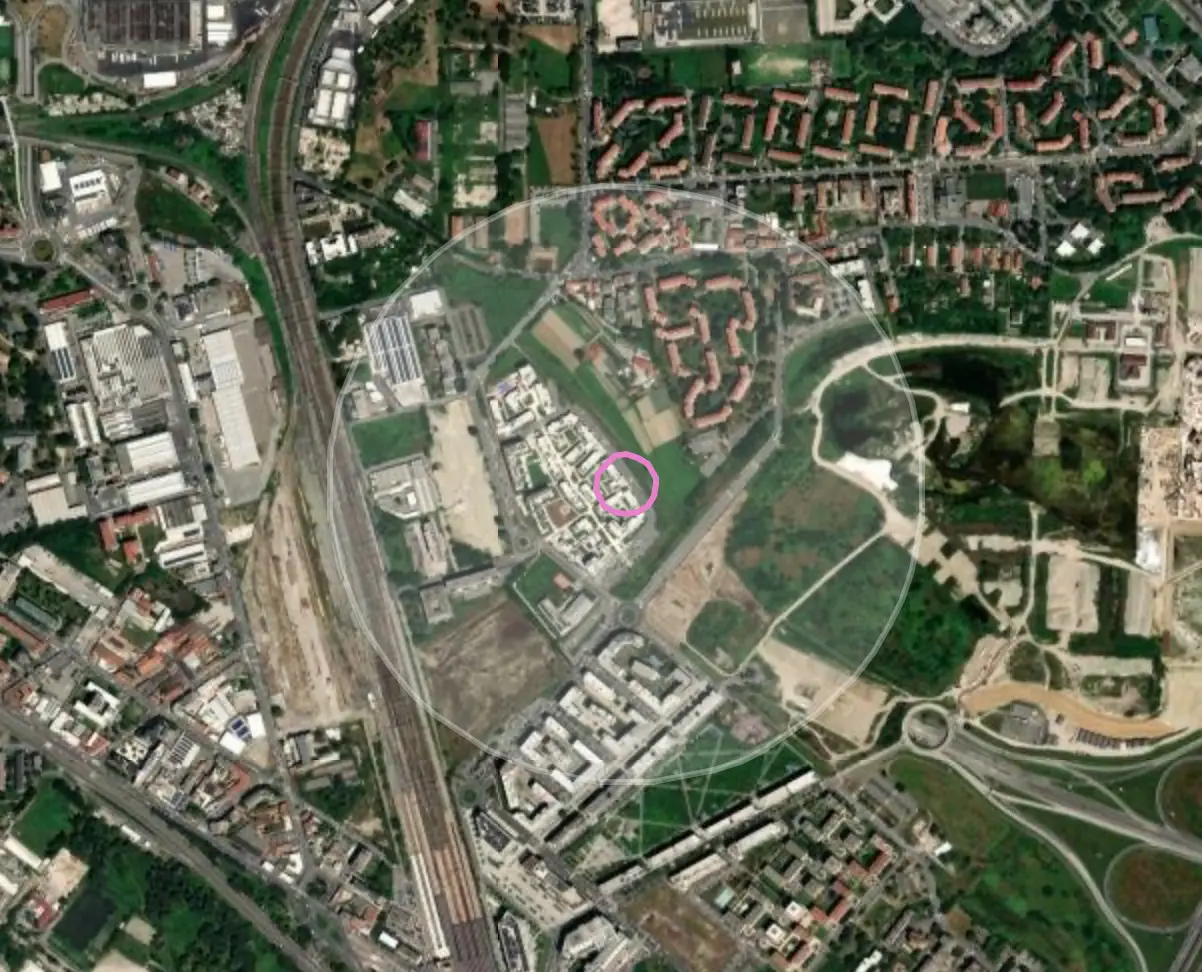
The project started with a satellite assessment using Flora, the system developed in collaboration with the European Space Agency. Satellite imagery provided a comprehensive overview of biodiversity status across 0.77 hectares: land cover classification, MSA index calculation and identification of nectar potential for pollinators.
13 satellite maps and environmental indicators
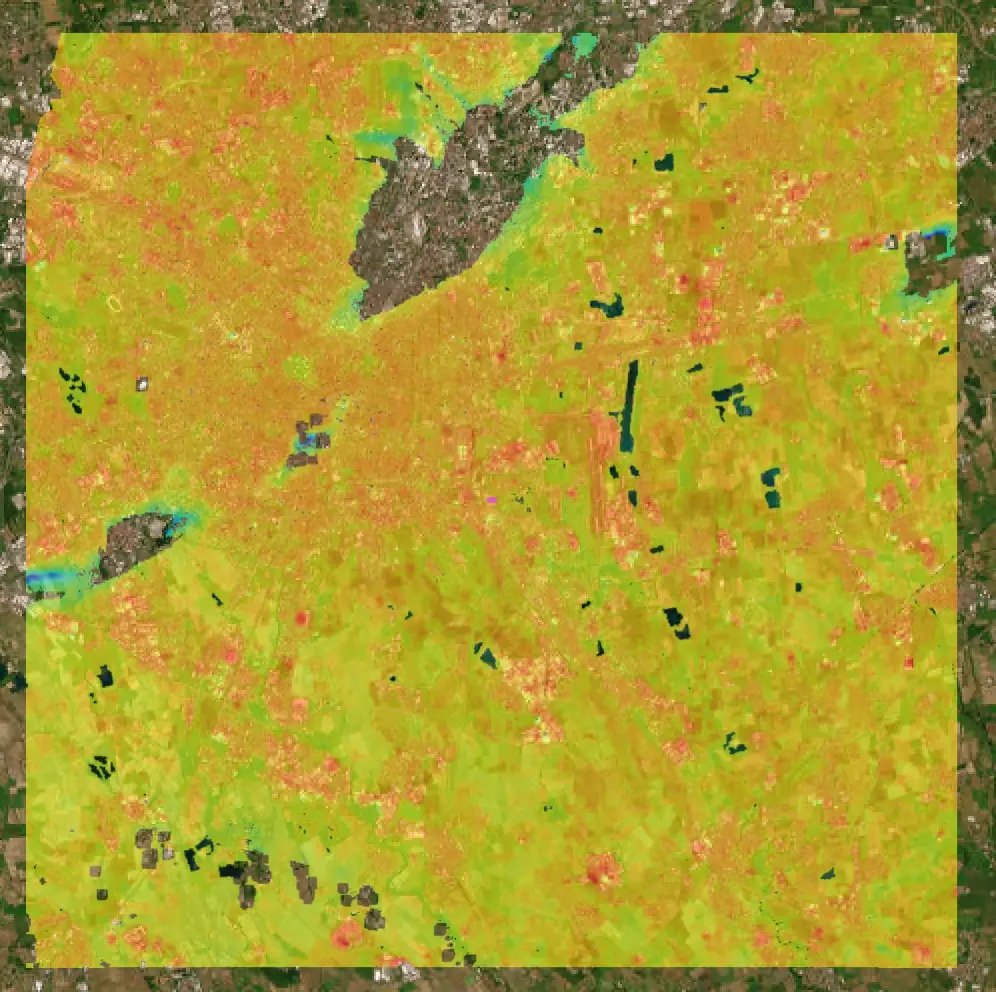
The satellite analysis produced 13 thematic maps: land cover, ground temperature, hydrogeological risk, drought risk, key biodiversity areas and local microclimate. These data established the district's ecological baseline, highlighting critical issues and opportunities for urban green design.
1,099 observations with the Biodiversa app
Using the Biodiversa app, field surveys were conducted to detect plant species present in the district. The collaborative mapping produced 1,099 observations, identifying the area's floristic diversity and the species present, providing complementary data to the satellite analysis for a complete view of the ecosystem.
From baseline to monitoring over time
Data flows into the XNatura Environmental Platform, where the design team monitors the evolution of the district's biodiversity over time. The goal is to build a time series that documents the effect of urban green interventions on biodiversity and guides future design choices.
Data for sustainable planning
generated
monitored
observations
observations
Satellite analysis with Flora generated 13 thematic maps of the Santa Giulia District, providing a comprehensive overview of the area's ecological status: land cover, ground temperature, hydrogeological risk, drought risk, local microclimate and key biodiversity areas. The MSA Land Use index provided the quantitative baseline for assessing the area's biodiversity potential.
Field surveys with the Biodiversa app produced over 1,099 plant species observations, while over 1,999 total observations built a detailed picture of the district's floristic diversity. This data supports design choices to integrate biodiversity into the urban design of the new district.
Monitoring in action
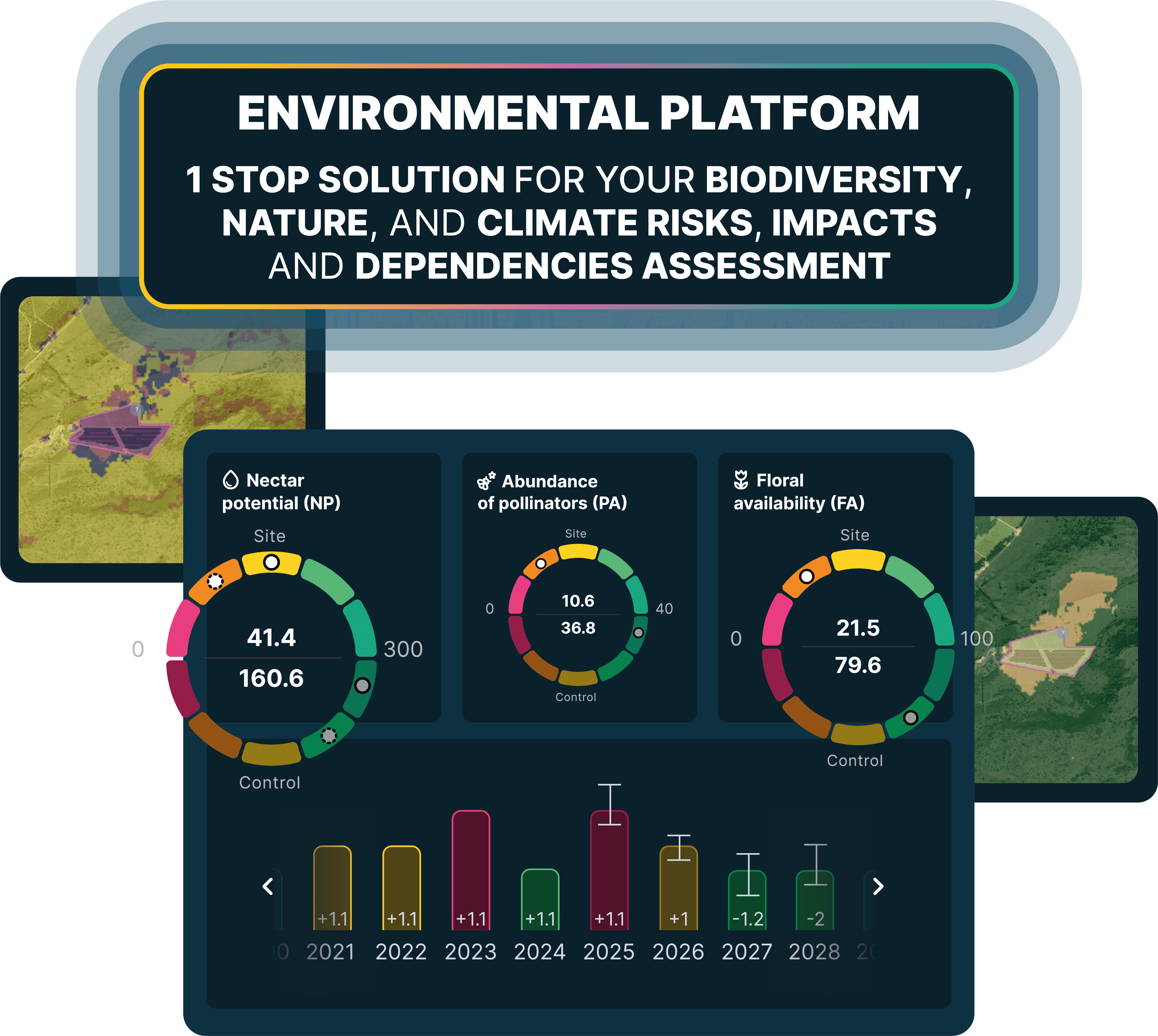
Key sections of the XNatura Environmental Platform dedicated to the Santa Giulia District.
State of Biodiversity
MSA index, nectar potential, key biodiversity areas and vegetation cover analysis for the Santa Giulia District in Milan.
Local microclimate
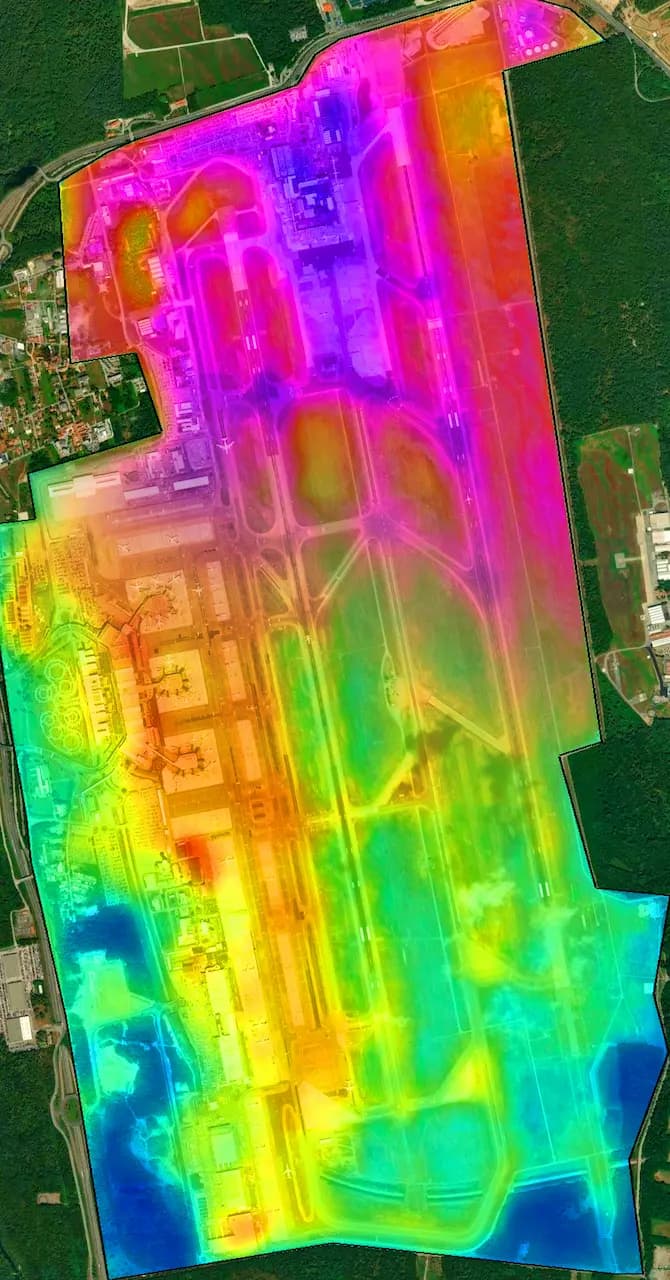
Land surface temperature, urban heat islands and microclimatic parameters of the district area and surrounding zones.
Drought risk
Aridity indices, soil water stress and environmental resilience of the urban area against extreme climate events.
Hydrogeological risk
Flood risk, landslide risk and hydrogeological analysis of the Santa Giulia District territory and surrounding areas.
Access the XNatura Environmental Platform
The platform through which the Santa Giulia District design team monitors biodiversity, microclimate and environmental risks to guide sustainable urban design choices.
Want to integrate biodiversity into your urban projects?
XNatura supports real estate developers, designers and administrations in evaluating and monitoring urban biodiversity, with satellite analysis, field surveys and a platform compliant with major reporting standards.
 Contact us for information about the platform or for specialized consulting in the environmental field.