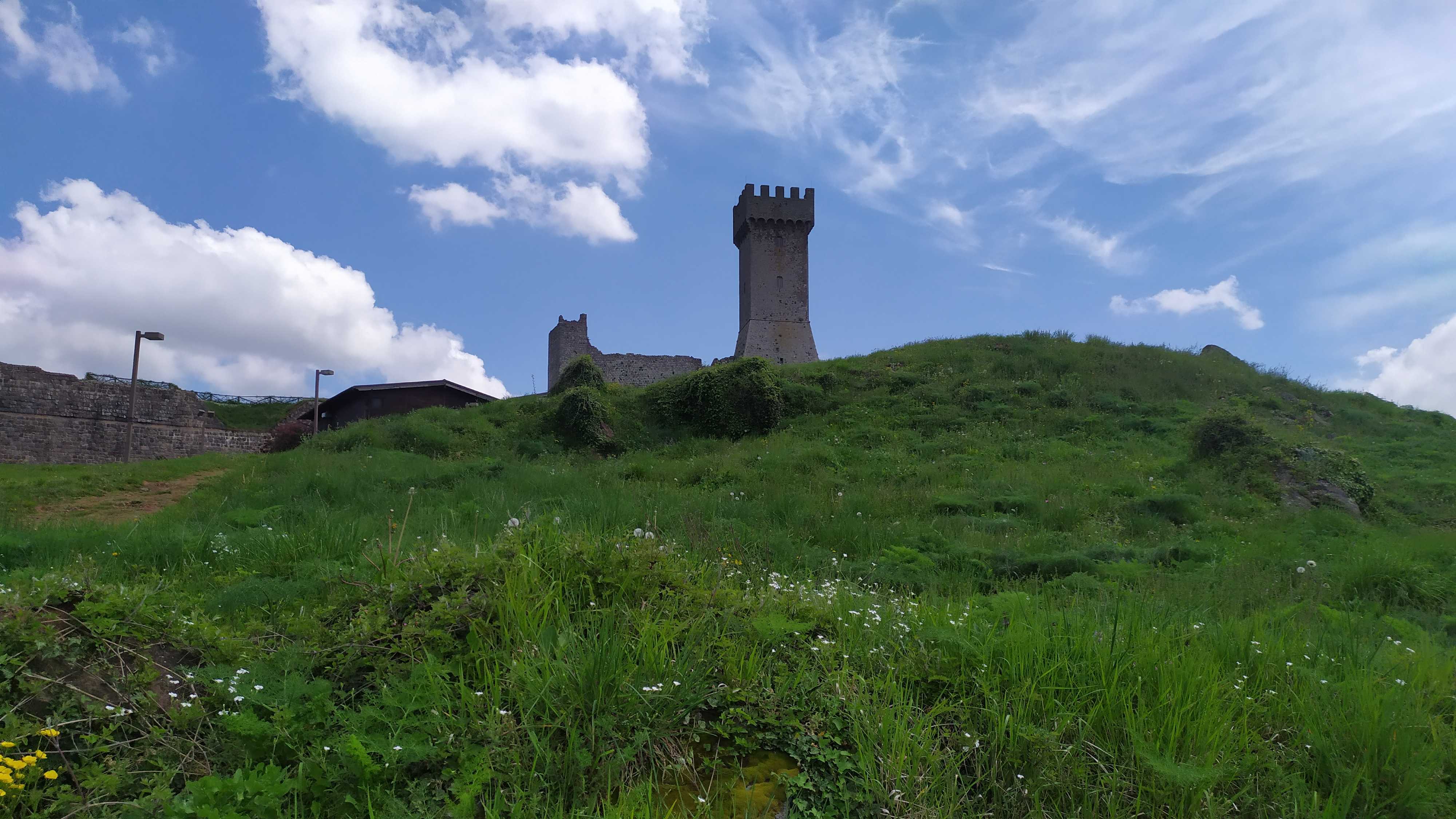
Bees and sensors to safeguard the Val d'Orcia
Cultural regeneration and biodiversity monitoring in the Tuscan village of Radicofani, with Hive-Tech sensors for bee biomonitoring, pollinator shelters and satellite mapping of the UNESCO landscape.
hectares
installed
shelters
When a UNESCO landscape loses biodiversity, it loses identity
Small rural municipalities guard landscapes of high ecological and cultural value, but depend on the stability of local ecosystems for the continuity of traditional farming, sustainable tourism and territorial liveability. The loss of pollinators and soil degradation are not just ecological risks: they compromise crops that shape the landscape, reduce beekeeping productivity and threaten the tourist appeal of these areas. When biodiversity declines, the very identity of the place is lost.
Structured data to protect a fragile ecosystem and a local economy
Radicofani needed to assess its biodiversity and track changes. The economy depends on farming, beekeeping and UNESCO tourism, but lacked structured data on ecosystems.
Continuous monitoring was needed to guide land management with science and integrate environmental care into the village's cultural strategy.
Technological hives, shelters and satellite to read the health of the territory
XNatura integrated Hive-Tech sensors, pollinator shelters and satellite mapping in the Environmental Platform.
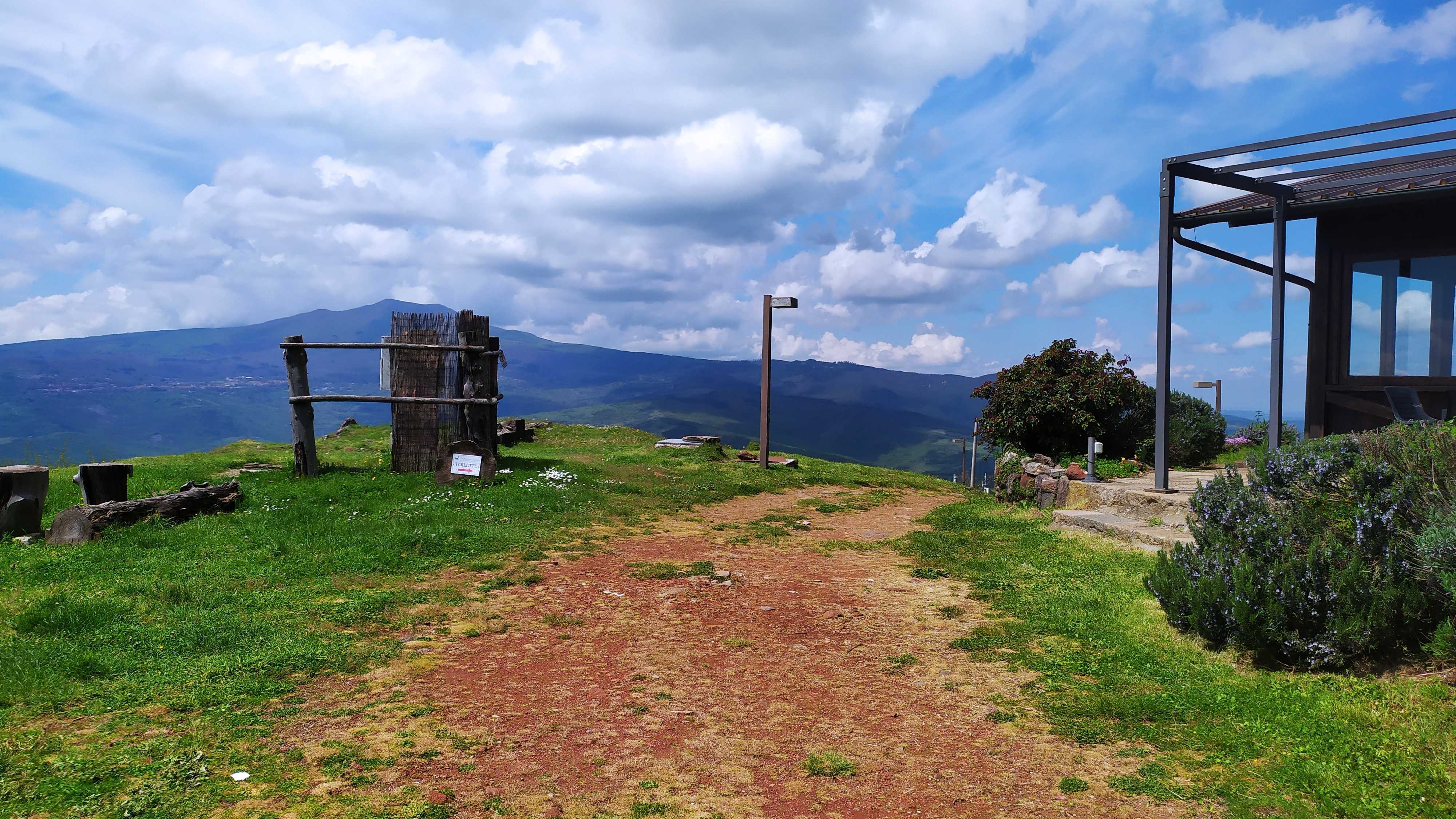
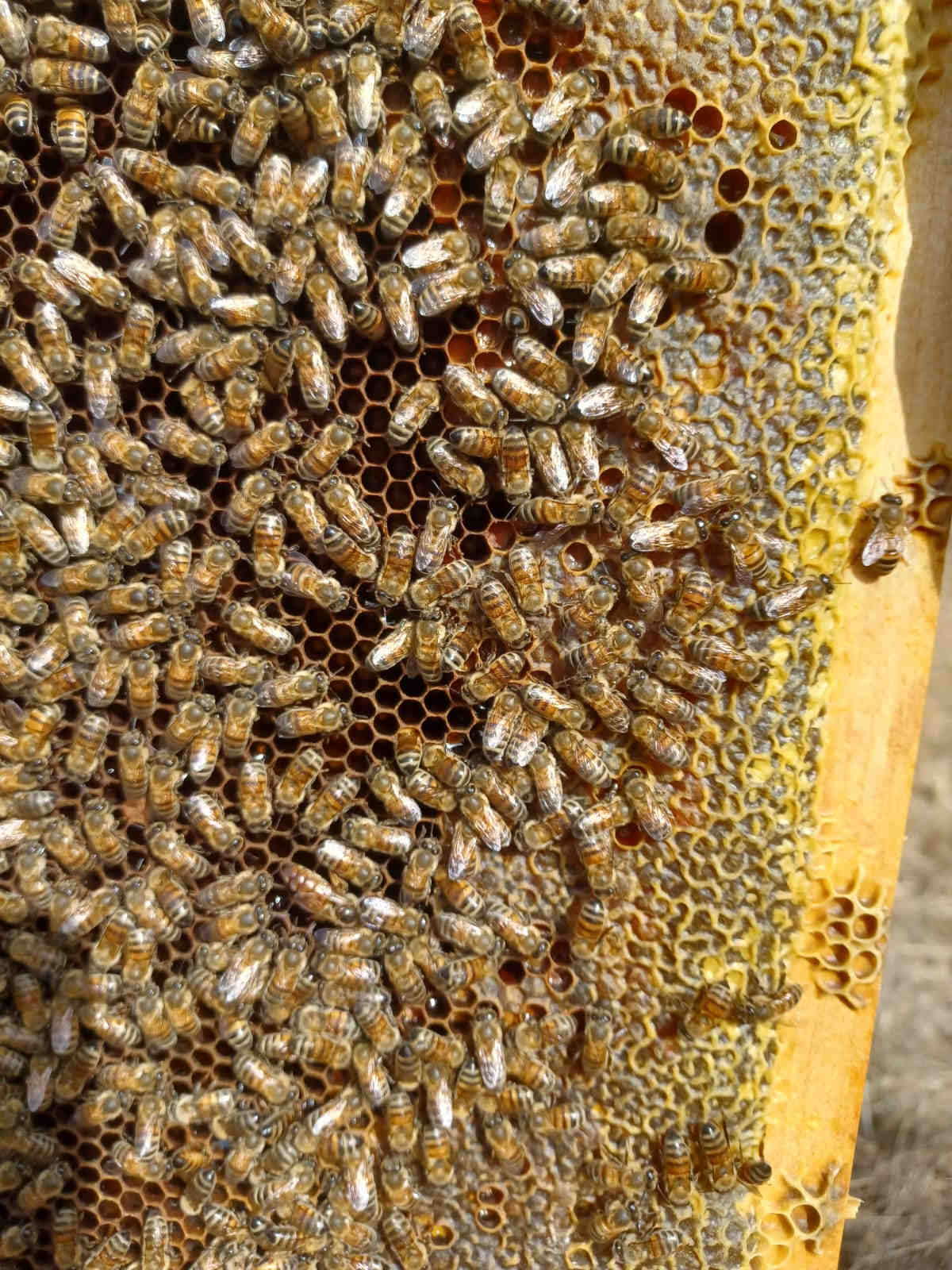
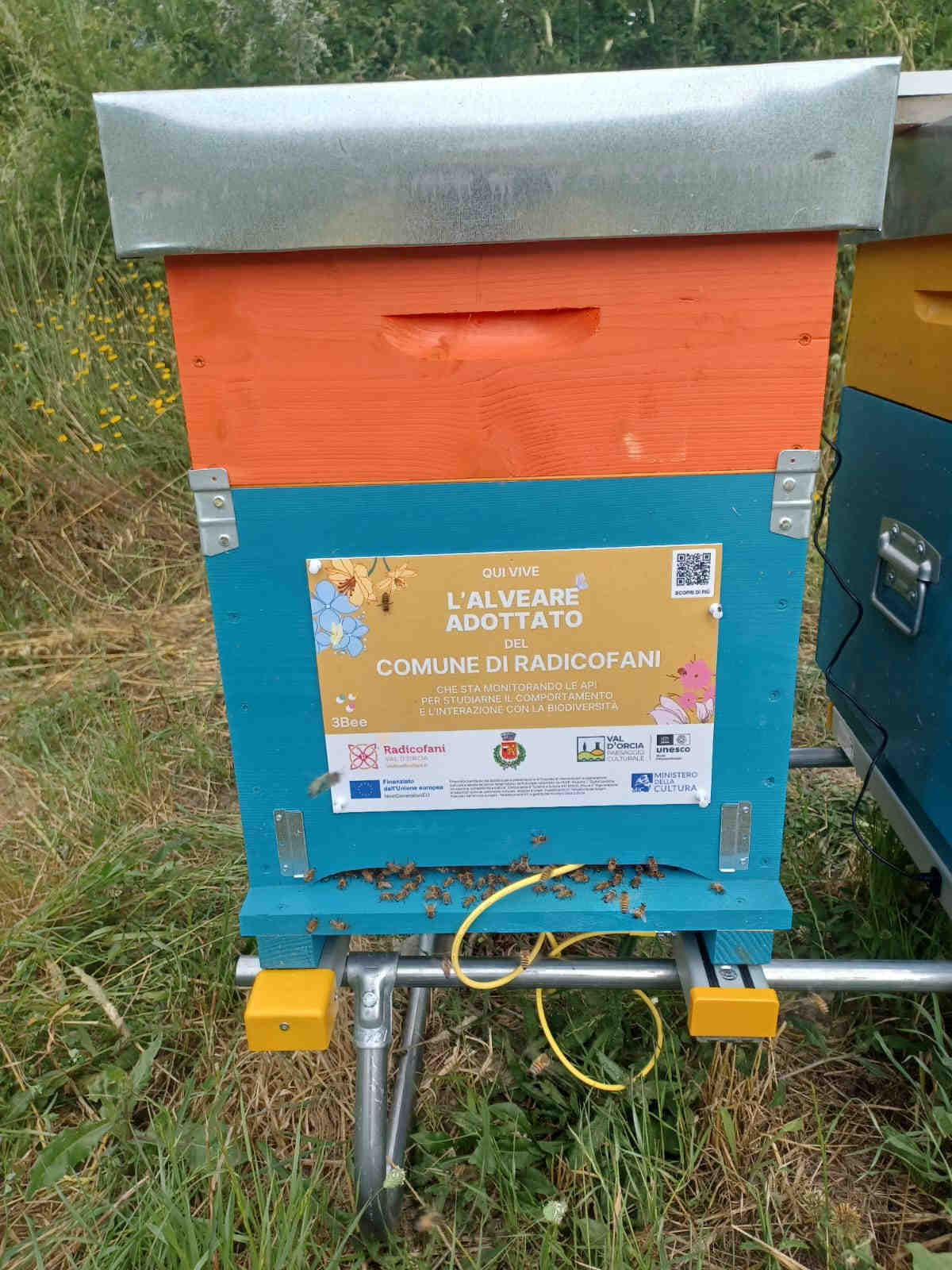
From satellite to the beehives of the Municipality of Radicofani
A project integrating remote sensing, IoT sensors on beehives and pollinator shelters to build the first continuous picture of biodiversity in the territory of Radicofani.
Assessment of the municipal territory
Satellite analysis mapped the entire municipal territory, producing a picture of land cover, vegetation indices, nectar potential and biodiversity status. The results identified areas of greatest ecological interest and guided the placement of Hive-Tech sensors and shelters.
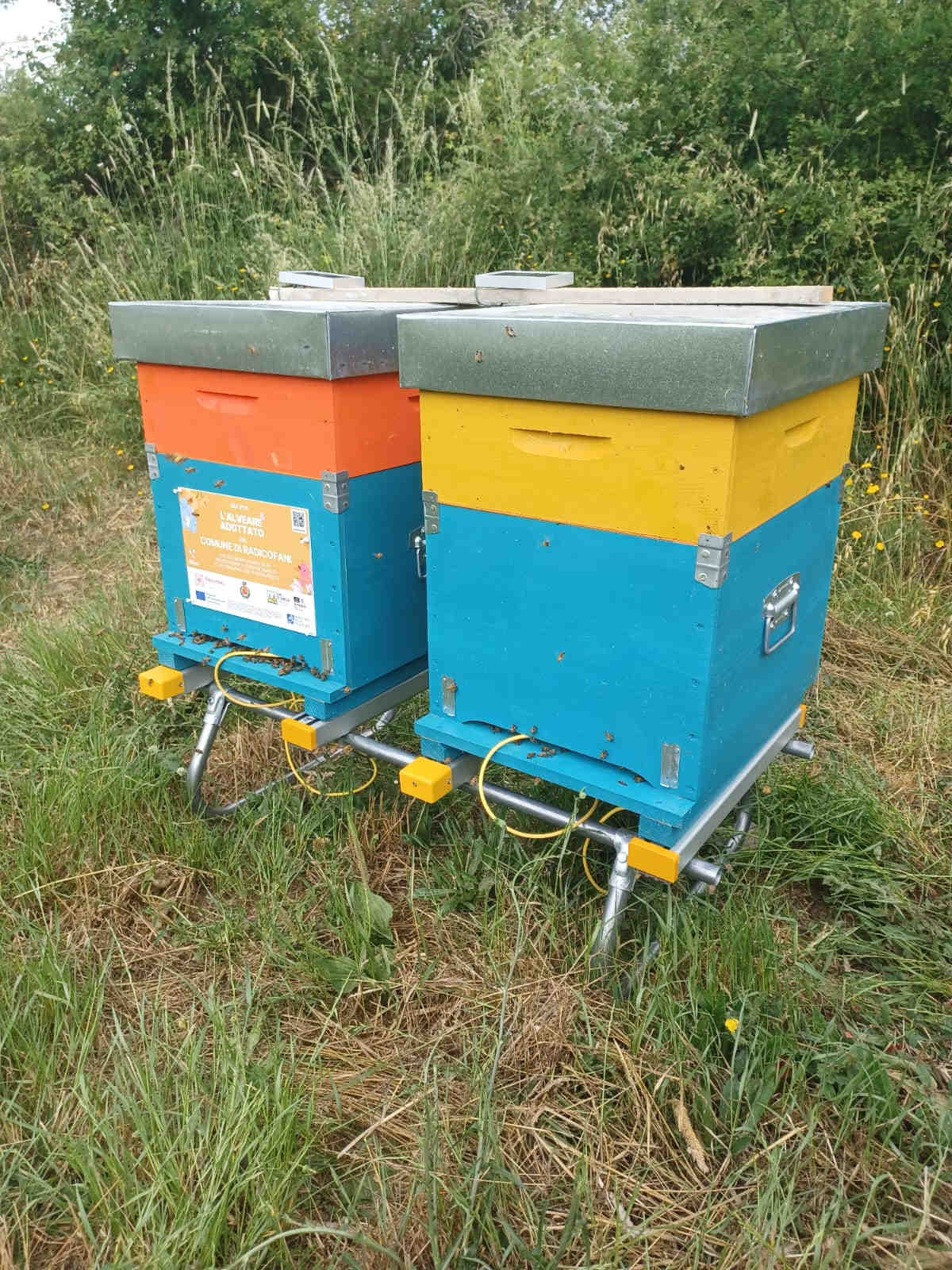
2 Hive-Tech on territory beehives
Hive-Tech sensors were installed on 2 beehives across the municipal territory. Each Hive-Tech detects weight, temperature, humidity and sound intensity of the colony, transmitting data to the platform and enabling real-time tracking of bee health, blooms and seasonal dynamics.
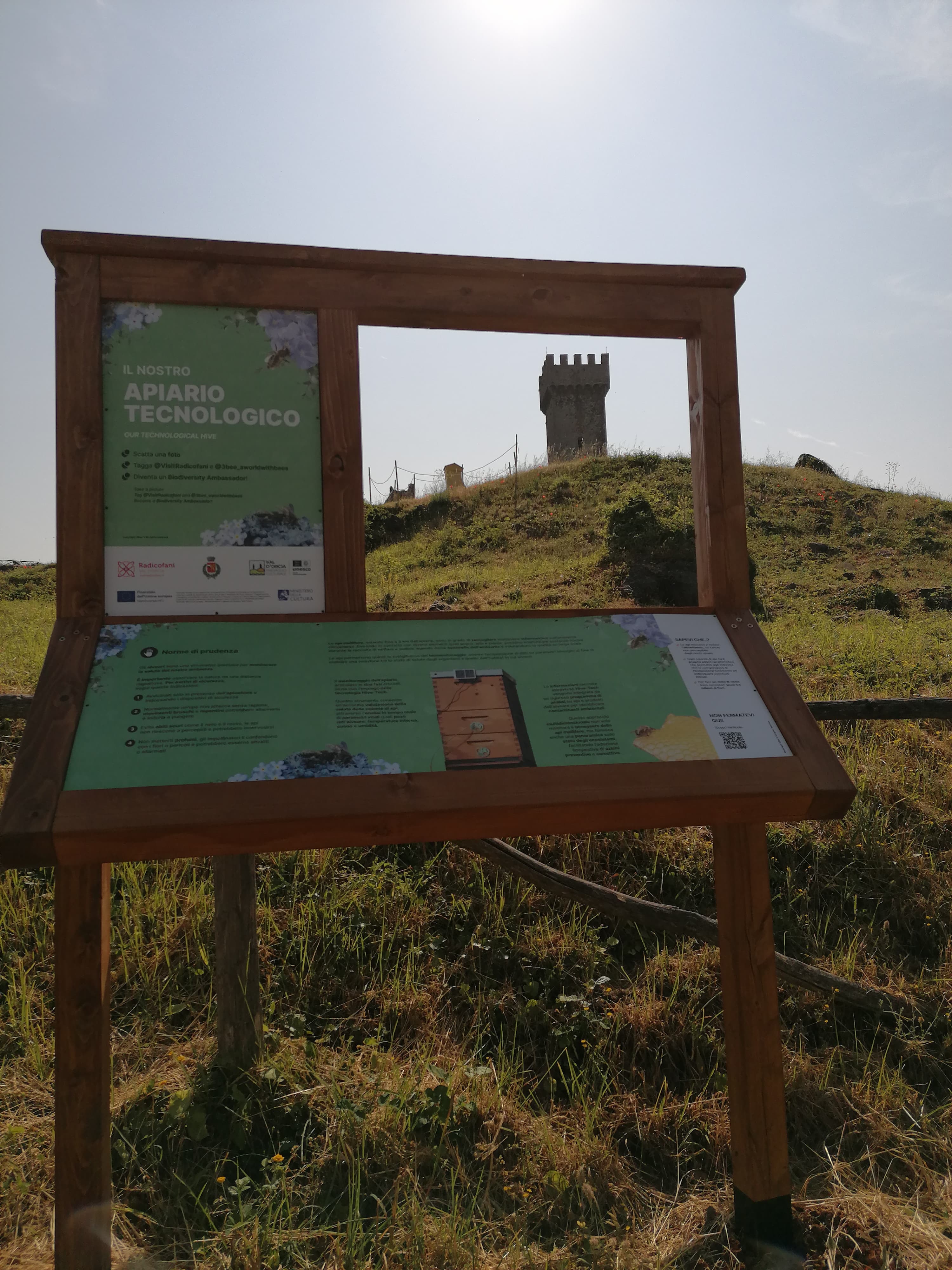
7 shelters in the UNESCO landscape
In areas identified by the assessment, 7 shelters were installed for wild pollinators, butterflies and ladybirds. The shelters provide nesting habitat and create stepping stones between agricultural areas, woodland formations and the Bosco Isabella, strengthening ecological connectivity across the municipal territory.
From data to territory regeneration
Data flows into the XNatura Environmental Platform, where the Municipality monitors the evolution of biodiversity and beekeeping feasibility over time. The goal is to integrate environmental monitoring into the village's cultural enhancement strategy, linking ecosystem health data to tourism promotion of the Via Francigena and the UNESCO landscape.
Data from Radicofani
monitored (est.)
Site vs Control
within 10 km of site
and ladybirds in shelters (est.)
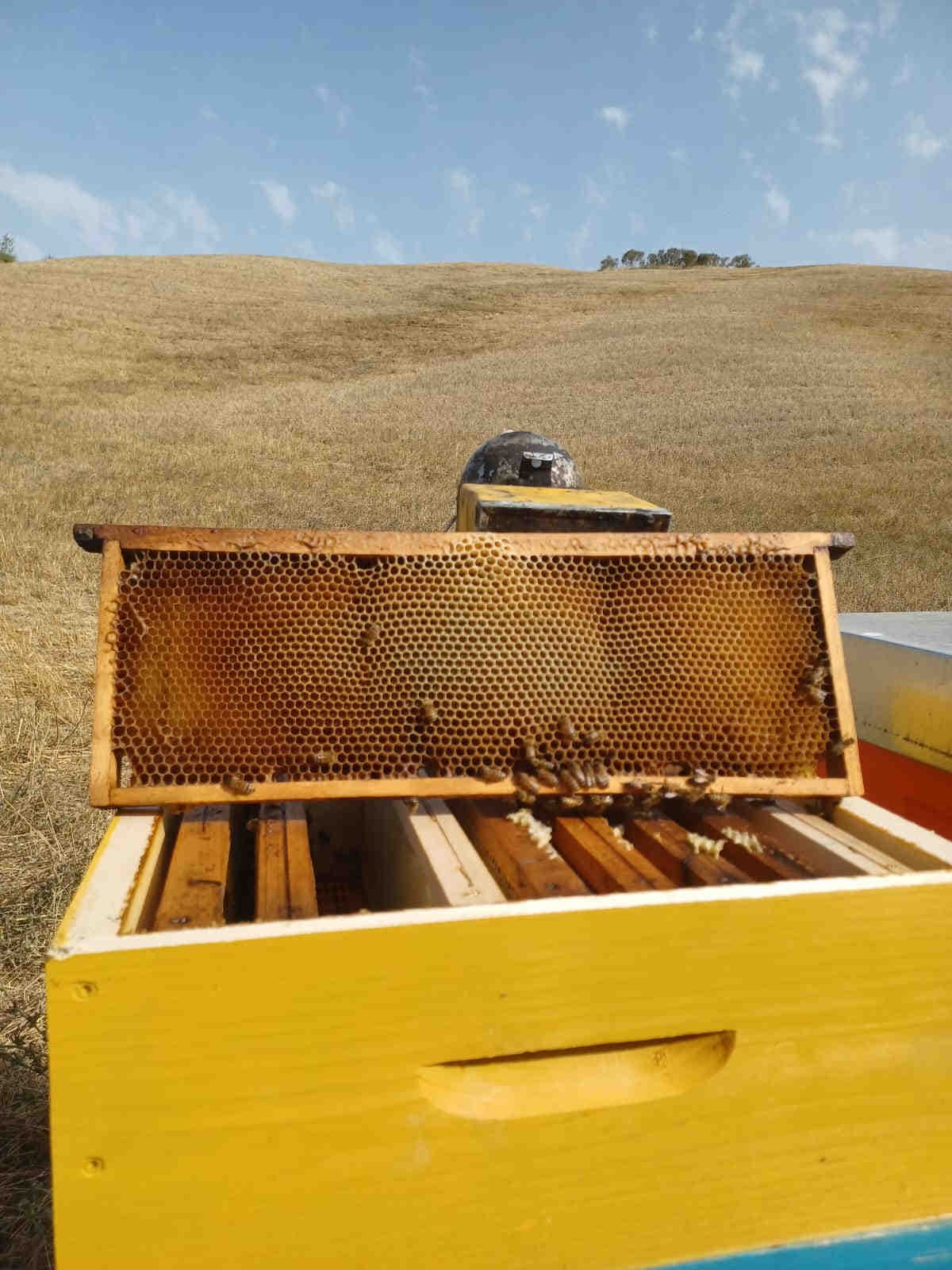
The 2 Hive-Tech units directly monitored approximately 120,000 bees (est.), documenting seasonal colony dynamics in the landscape of the Municipality of Radicofani. The site's MSA Land Use index reaches 58.9 compared to 56.7 for the control area, with a Δ of +2 confirming favourable ecological conditions for biodiversity in an already high-value natural context. The presence of 15 protected areas within 10 km of the site testifies to the ecological richness of the surrounding territory.
The 7 shelters hosted approximately 2,000 wild pollinators, butterflies and ladybirds (est.), confirming that the territory maintains a diversified insect community and that the provision of nesting habitat produces a measurable response. These data provide the Municipality with a scientific basis for land management decisions and for integrating biodiversity protection into the cultural enhancement of the Val d'Orcia heritage.
Monitoring in action
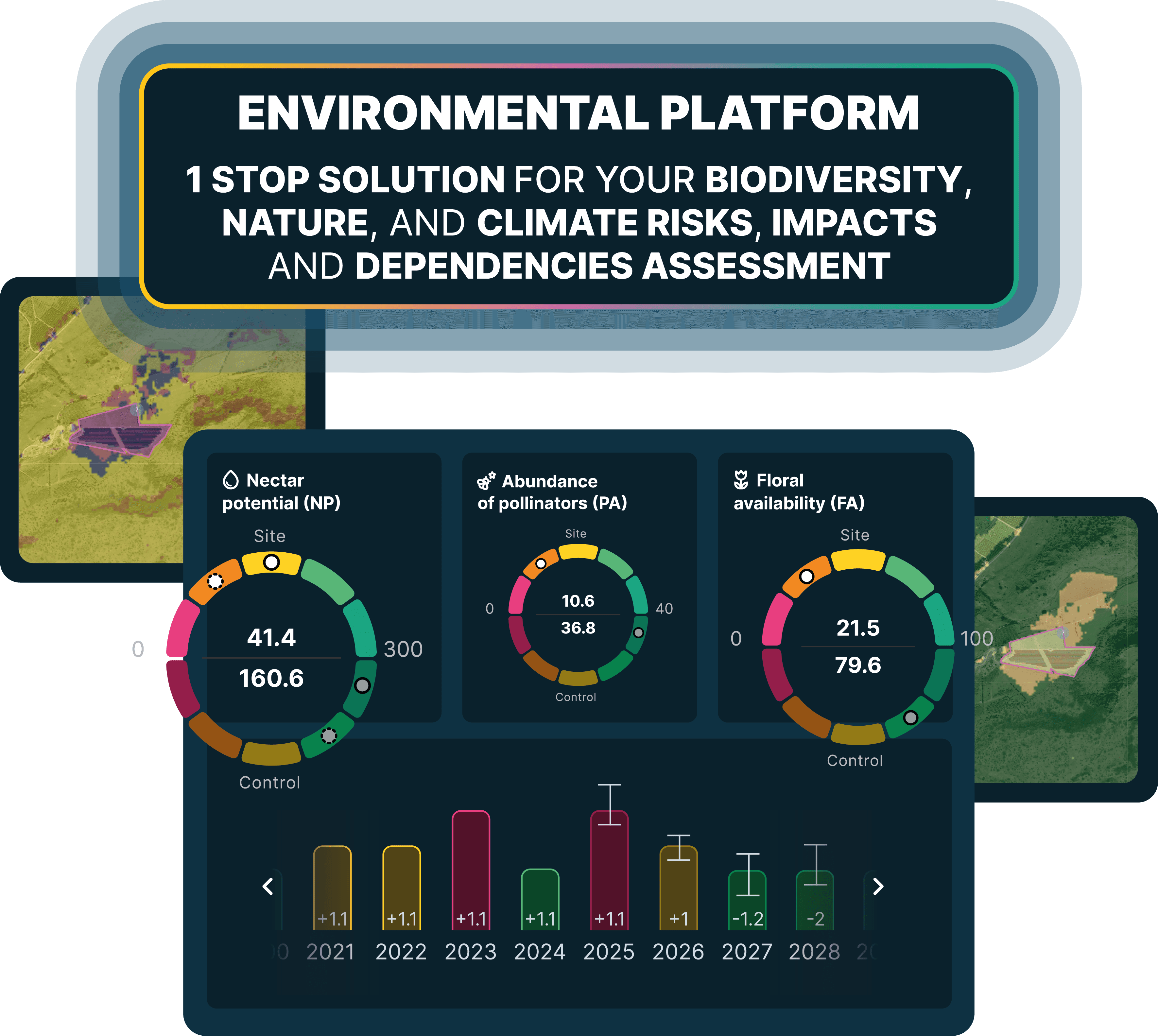
Key sections of the XNatura Environmental Platform dedicated to the territory of Radicofani.
State of biodiversity
MSA indices, Natural Patches, floral availability, nectar potential and beekeeping feasibility across the municipal territory.
Sensors
Real-time data from 2 Hive-Tech units: weight, temperature, humidity and sound intensity of beehives, with seasonal colony trends.
Microclimate
Surface temperature, light pollution and microclimatic parameters of the hilly territory, with analysis of conditions for blooming.
Hydrogeological risk
Flood risk, landslide risk and hydrogeological analysis of the clay hills of the Val d'Orcia for land management planning.
Access the XNatura Environmental Platform
The platform with which the Municipality of Radicofani monitors biodiversity and beekeeping feasibility in the Val d'Orcia territory.
Want to monitor biodiversity in your territory?
XNatura supports municipalities, protected areas and institutions in protecting biodiversity and enhancing natural heritage, with IoT sensors, bee biomonitoring, satellite mapping and validated scientific protocols.
 Contact us for information about the platform or for specialized consulting in the environmental field.