Turn your photovoltaic plants into certified ecosystems
Biodiversity assessment, scenario simulation, renaturalization plans, and IoT monitoring for agrivoltaic and photovoltaic plants. CSRD, ESRS E4, UNI/PdR 179:2025 compliant.
Photovoltaic is no longer enough
The regulatory and financial landscape is changing. Installing panels is no longer sufficient — you need to demonstrate real and measurable environmental impact.
EU Nature Restoration Regulation
The Nature Restoration Regulation imposes binding obligations of non-deterioration and ecological restoration on all new infrastructure projects.
Verifiable ESG metrics
Institutional investors require measurable, certified, and comparable environmental impact data. Qualitative reporting is no longer accepted.
Complex permitting processes
Without a structured and credible biodiversity plan, authorization timelines extend and risks of project blockage increase.
Greenwashing risk
Without certified data and recognized verification protocols, environmental claims become a concrete reputational and legal risk.
A single partner for the entire biodiversity lifecycle
Biodiversity Design
- Pre-installation ecosystem baseline analysis
- Custom ecological restoration intervention plan
- Plant species selection and AIAS-certified agrivoltaic strategies
- Integration with the photovoltaic project from the design phase
IoT + Satellite Monitoring
- Field sensor network: soil moisture, weather, bioacoustics
- ESA Sentinel satellite monitoring with AI land-use classification
- XNatura platform with real-time dashboard
- Site Digital Twin for predictive simulations
Certification and Compliance
- Reports compliant with EU Nature Restoration Regulation
- Alignment with Habitats and Birds Directives
- CSRD/ESRS E4 and TNFD compliant reporting
- Periodic audits with GLOBIO-MSA indicators and spatial/market benchmarks
Beekeeping Feasibility & On-Site Interventions
- Beekeeping feasibility study: carrying capacity, production estimates, BESS distances
- Green infrastructure design: native hedgerows, nectar strips, pollinator shelters
- Off-site renaturalization plans compliant with EIA/NRRP requirements
- Environmental education and territorial outreach programs
From first site visit to net gain in 4 phases
Assessment
Satellite analysis + field survey. Definition of the site's certified ecological baseline.
Design
Design of the biodiversity intervention integrated with the photovoltaic plant layout.
Deploy & Monitor
Installation of IoT sensor network and start of continuous monitoring via satellite and platform.
Report & Monitor
CSRD/ESRS compliant LEAP report, post-construction IoT monitoring with Spectrum, Birdy, and Hive-Tech sensors. Net gain verification over time.
A 5-layer digital ecosystem
The XNatura platform integrates data from multiple sources into a single interoperable infrastructure, from acquisition to natural credit.
Satellite Earth ObservationESA Sentinel
Continuous monitoring via Sentinel-2 constellation (vegetation indices at 10m) and Sentinel-1 (soil moisture proxy). Land-use classification with proprietary AI. Pan-European coverage independent of local infrastructure.
IoT Ground-Truth NetworkField sensors
Soil moisture sensors, IoT weather stations, bioacoustics for acoustic biodiversity indices, pollinator activity monitoring, water quality. Over 1,000 sensors already deployed in Biodiversity Oases across Europe.
UAV & LiDARHigh resolution
Drone campaigns with multispectral, hyperspectral, thermal, and LiDAR payloads. Centimetric-resolution vegetation mapping, 3D structural analysis, thermal imaging. Validated drone-to-satellite upscaling workflows.
AI Analytics Layer3 levels
Diagnostic: continuous ecosystem condition assessment vs baseline. Predictive: ensemble models with climate projections (SSP1-2.6, SSP2-4.5, SSP3-7.0, SSP5-8.5). Prescriptive: multi-objective optimization of intervention portfolios.
Scenario Simulation & Net GainComparison
Multi-scenario comparative analysis: pre-construction baseline, plant simulation, regenerative scenario. Biodiversity Net Gain quantification in equivalent hectares (MSA·ha) with comparison vs spatial benchmark (surrounding area) and market benchmark. GBF Target 2 achievement verification.
Integrated data architecture
What Europe demands from energy companies
The EU regulatory framework is tightening around energy infrastructure. Here are the key regulations and what they mean for your plants.
Nature Restoration Regulation (NRR)
Binding obligations of non-deterioration and ecological restoration. By 2030, restoration measures on at least 20% of EU terrestrial and marine areas. New infrastructure projects must demonstrate zero net impact on biodiversity.
Habitats and Birds Directives
Protection of habitats and species of community interest. Mandatory impact assessment for projects near Natura 2000 sites. Article 17 reports on habitat conditions with standardized indicators.
Sustainability & Nature Reporting
The Corporate Sustainability Reporting Directive and the Taskforce on Nature-related Financial Disclosures require quantitative disclosures on biodiversity impact. Institutional investors require verified nature-positive metrics.
Biodiversity Reference Practice
The new UNI practice defines requirements for the assessment and management of biodiversity footprint, establishing standard metrics (MSA, equivalent hectares), comparison frameworks (spatial and market benchmarks), and measurable regeneration targets.
The technology behind the results
Among the energy clients who chose us
Measurable results for our clients
LEAP assessments compliant with CSRD/ESRS E4 and UNI/PdR 179:2025. Here are some completed projects with certified biodiversity net gain results.
Regenerative Scenario & Net Gain
Puglia — 0.97 ha3-scenario assessment (baseline, plant simulation, regenerative) with regenerative agriculture and crop diversification. The plant exceeds both the territorial and market benchmarks, reaching Target 2 of the Global Biodiversity Framework.
Net Positive Impact
Marche — 6.99 haCertified net positive balance: MSA from 36.3% to 53.6% (+17.3pp). Pollinators +126% (abundance), +93% (floral availability), +92% (nesting). Recovery of 1.21 ha of biodiversity on a 1.0 ha target.
140 MW + Renaturalization Plan
Puglia — 250 ha + 21 ha renaturalizationComplete assessment + Renaturalization Plan compliant with PNRR-PNIEC Commission requirements. MSA from 10.4% to 23.1% (+122%). Natural cover from 0.1% to 15.4%. Waterproofing from 49.9% to 17%. 3-tier vegetation design with native species.
Complete Assessment — 217 ha
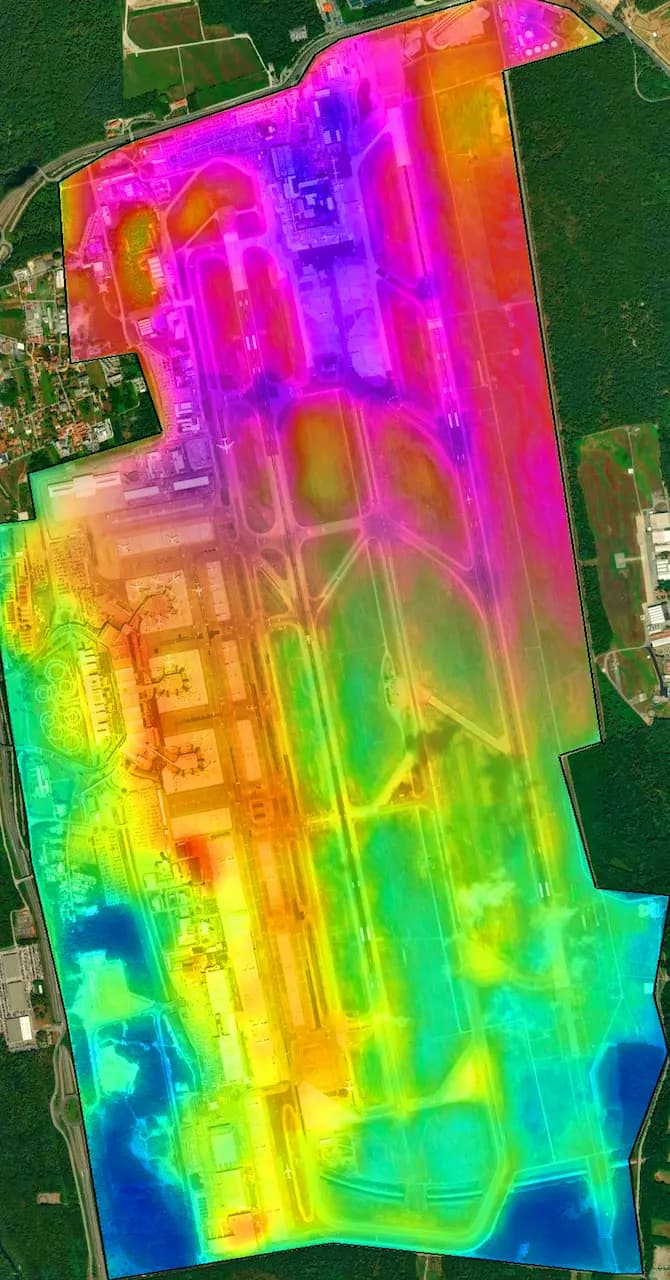
Lombardy — 217.3 haComplete LEAP assessment on a large photovoltaic site. MSA +5.4pp, pollinators +3.6pp, nectar potential +66.4pp, floral availability +15.1pp. Mitigation plan with avoid-reduce-repair-regenerate hierarchy.
Assessment + Beekeeping Feasibility
Piedmont — 10.31 haAssessment with integrated beekeeping feasibility study. Stable MSA (+0.6pp), reduced biodiversity footprint. Recommendations for green infrastructure, pollinator shelters, and sustainable beekeeping management with IoT monitoring.
SustainAbility Program — 4 sites
Calabria, Abruzzo — 4 plantsNature and biodiversity management program with structured internal procedure. LEAP assessment on 4 PV sites with mitigation plan, Birdy sensors for birdlife, Hive-Tech for bees, nectar plants, and informational signage.
Already working with us
Energy and utility companies that chose XNatura for their photovoltaic and agrivoltaic projects.
Experts in energy, biodiversity, and technology
Simone Mazzola
Energy Engineering — MIT & Polimi. Ex BCG, Solar Power Europe member and AIAS certification for sustainable agrivoltaics.
Daniele Valiante
Biodiversity design for renewable energy plants. Publications in Ecological Modelling and Science of The Total Environment.
Niccolò Calandri
PhD in Electronics & Quantum Photonics — Polimi & MIT. 20 scientific publications, 6+ EU grants won.
The XNatura team
Biodiversity strategists, data scientists, and IoT developers. Cross-functional expertise from ecology to machine learning and geospatial.
 Kontaktieren Sie uns für Informationen zur Plattform oder für eine spezialisierte Beratung im Umweltbereich.