





BioacousticsAvailable
Birdy: Listen to Nature
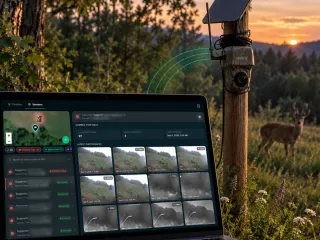
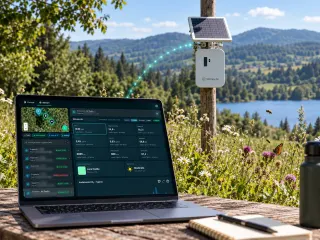
Birdy listens to and recognizes birds' songs, enabling continuous and non-invasive mapping of avian biodiversity.
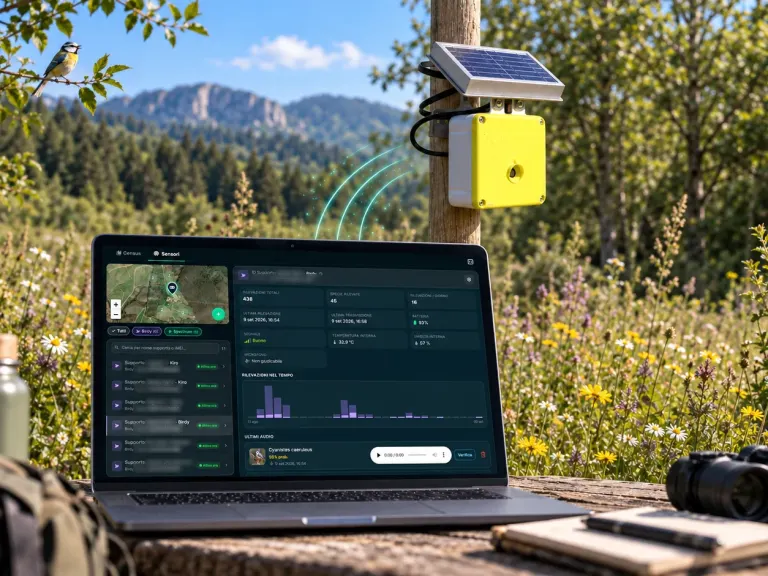
Field sensors
- 20Hz - 20kHz
- Frequency range
- Unlimited cloud
- Storage
- 12 months
- Autonomy
01 / 04
Bioacoustic monitoring of avifauna
Birdy uses advanced vocal recognition algorithms to identify the bird species present in an area, monitoring population dynamics over time.
02 / 04
Sensor Birdy
Designed for continuous monitoring of avifauna. Advanced bioacoustic technology for mapping avian biodiversity.
- 01
Advanced Bioacoustic System
High-sensitivity omnidirectional microphone; AI recognition of over 200 bird species; 24/7 continuous recording with noise filter; Real-time spectral analysis - 02
Power and Connectivity
Integrated solar panel for unlimited autonomy; 12-month backup battery without sun; 4G/LTE connectivity for data transmission; IP67 weather-resistant design
03 / 04
Key features
Birdy's advanced features for professional avifauna monitoring.
- 01
Species recognition
Deep learning algorithms automatically identify over 200 European bird species from their songs. - 02
Continuous recording
24/7 monitoring to capture the day and night vocal activity of different species. - 03
Advanced AI analytics
Machine learning for high-accuracy species identification even in noisy environments. - 04
Seasonal monitoring
Tracking migrations and seasonal variations in bird populations.
04 / 04
How it works
The avifauna monitoring process with Birdy.
- 01
Deployment
The sensor is installed in strategic habitats for the avifauna. - 02
Audio recording
Birdy continuously records ambient sounds, isolating birds' songs. - 03
AI recognition
The algorithms analyze the recordings and identify the species present. - 04
Detailed reports
Dashboard with statistics on species, frequencies, and temporal trends.
From the field · south-east Piedmont, Italy
What Birdy heard in an oasis in south-east Piedmont, Italy
162,569 automatic detections between March 2026 and September 2026, from 10 sensors. An ecologist confirmed 37 species by listening back to the recordings: here are the nine most frequent, each with an original five-second clip.
- 162,569
- automatic detections
- 37
- species confirmed by an ecologist
- 10
- Birdy sensors
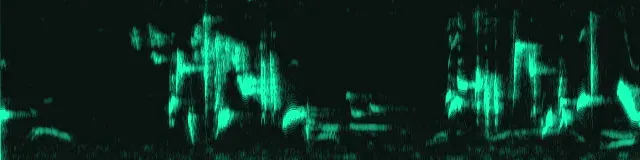
Eurasian blackcap
Sylvia atricapilla
15,458 detections · 186 confirmed
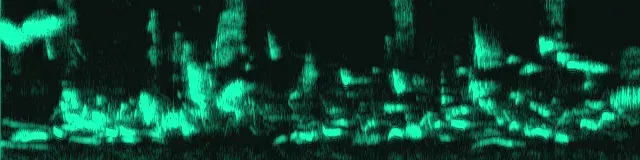
Common blackbird
Turdus merula
11,960 detections · 197 confirmed
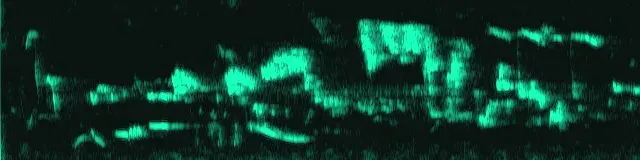
European robin
Erithacus rubecula
3,239 detections · 101 confirmed
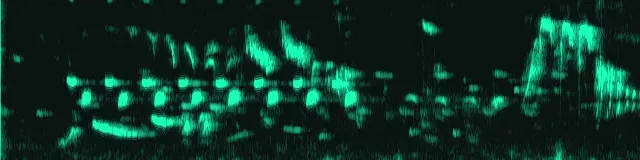
Great tit
Parus major
1,719 detections · 72 confirmed
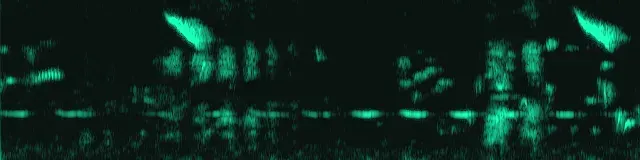
Cirl bunting
Emberiza cirlus
6,845 detections · 66 confirmed
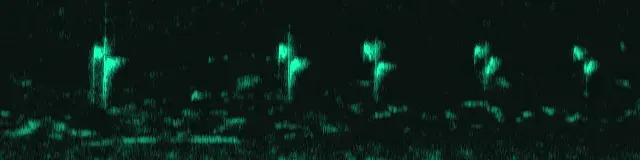
European serin
Serinus serinus
1,670 detections · 62 confirmed
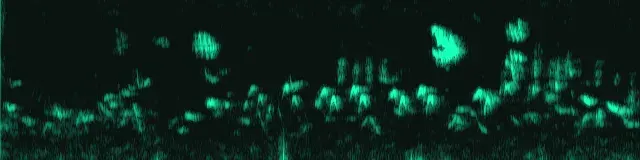
Melodious warbler
Hippolais polyglotta
1,661 detections · 41 confirmed
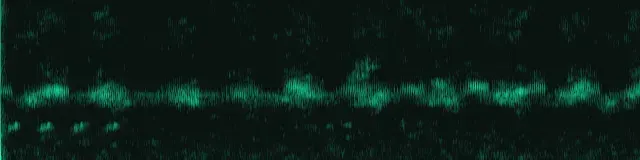
Common nightingale
Luscinia megarhynchos
1,360 detections · 33 confirmed
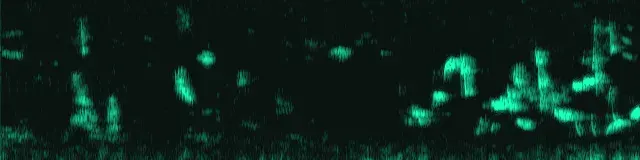
Common starling
Sturnus vulgaris
3,297 detections · 22 confirmed
Real platform data, exported on September 23, 2026. The clips are the sensors' original recordings, cut to a few seconds and levelled in volume, nothing else.
Inside the sensor
Birdy in 3D, from its design files
This model comes from the CAD files the sensor was engineered with. Turn it, get closer and open it to see where the microphone, the boards and the battery sit.
Loading the 3D model...
Drag to turn, scroll or pinch to zoom.
Parts
From the design
- Two MEMS microphones 4.6 mm apart, behind an acoustic membrane in the front cover.
- Sampling at 44.1 kHz with an STM32U595 processor and an on-board neural network.
- 4G and GPS, powered by its own solar panel.
- Overall size 134 x 105 x 171 mm.
Model: Birdy_rev1.6.STEP
Field sensors
Technical specifications
Technical details of the Birdy sensor for ornithology and environmental monitoring applications.
- Frequency range
- 20Hz - 20kHz
- Storage
- Unlimited cloud
- Autonomy
- 12 months
- Species database
- 200+
- Recognized species
- 200+
- Total detections
- 32.8K+
- Continuous recording
- H24
How to get it
The device comes with an offer from our team
We do not sell sensors from a price list. The team puts together an offer for your project: how many sites and devices, what has to be monitored and for how long, and the subscription to the XNatura platform that turns the readings into species lists, maps and exports.
Field sensors
Birdy in action
See Birdy in action in the field.


Real-time recognition
The birds your Birdy recognizes
Eight of the species Birdy tells apart by their song, each with a sample recording. Which ones your Birdy hears depends on your site.
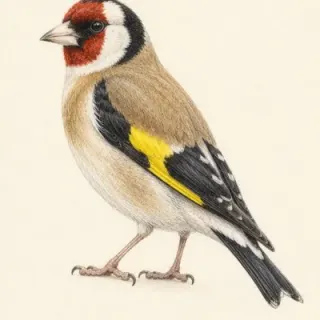
European goldfinch
Carduelis carduelis
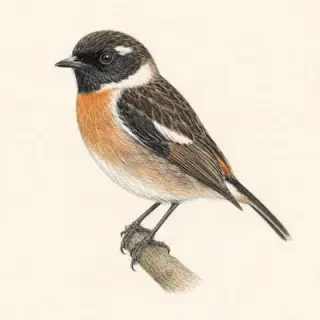
European stonechat
Saxicola rubicola
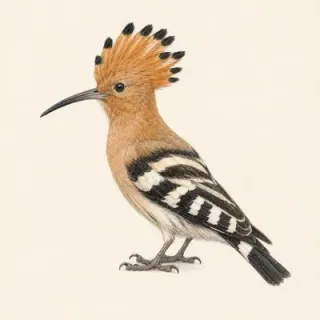
Eurasian hoopoe
Upupa epops

European greenfinch
Chloris chloris
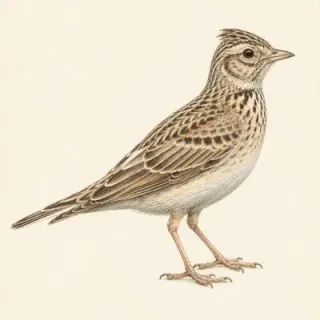
Eurasian skylark
Alauda arvensis
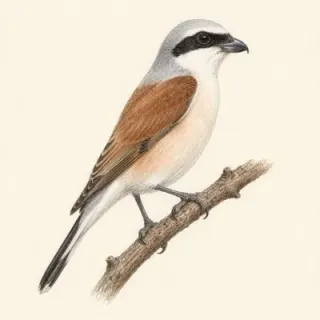
Red-backed shrike
Lanius collurio
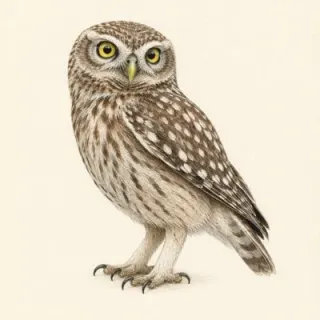
Little owl
Athene noctua

Common kestrel
Falco tinnunculus
In the platform
What the data looks like once it is in XNatura
Every reading lands in the site's digital twin, next to the satellite layers and the surveys, and reads as a chart, not as a file.

In the field
Projects where Birdy is already installed
Case studies whose story names this sensor: what it was asked to measure, and what came out of it.

FAQ
Frequently asked questions
How many bird species can Birdy recognize?
Birdy is currently able to recognize over 200 bird species found in Europe. The database is continually updated with new species and improvements to the recognition algorithms.
How does it work in noisy environments?
Birdy's algorithms are designed to filter background noise and isolate birdsong even in urban environments or near roads. The recognition quality can vary depending on the level of noise.
Is real-time data accessible?
Yes, all data collected by Birdy is available in real time on the XNatura platform. You can view the detected species, listen to the recordings, and analyze trends over time.
Does Birdy work at night?
Absolutely yes. Birdy records 24 hours a day and can detect nocturnal species such as owls, little owls, and other nocturnal raptors. Night recording is essential for a complete census of the avifauna.
What is Birdy?
Birdy listens to and recognizes birds' songs, enabling continuous and non-invasive mapping of avian biodiversity.
How does Birdy work?
Bioacoustic monitoring of avifauna. Birdy uses advanced vocal recognition algorithms to identify the bird species present in an area, monitoring population dynamics over time.
What are the technical specifications of Birdy?
Frequency range: 20Hz - 20kHz · Storage: Unlimited cloud · Autonomy: 12 months · Species database: 200+ · Recognized species: 200+ · Total detections: 32.8K+ · Continuous recording: H24
Discover the biodiversity of your site
Contact us to implement Birdy in your avifauna monitoring projects.