









Industries · Agrifood Supply Chains
Farms and suppliers measured, so your claims and disclosures hold.
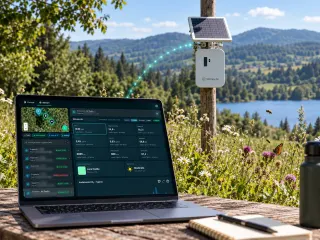
Food companies depend on thousands of hectares they do not own. XNatura monitors supplier farms with sensors and satellite, and turns the data into evidence for regenerative claims, ESRS and EUDR.

FindusSyngentaSan PellegrinoAlce NeroMondelez
Across the portfolio
- 200+
- projects monitored
- 12
- countries, 4 continents
- 10,000+
- IoT sensors in the field
- 150+
- map layers: satellite, official maps and models
What is at stake for Agrifood Supply Chains operators
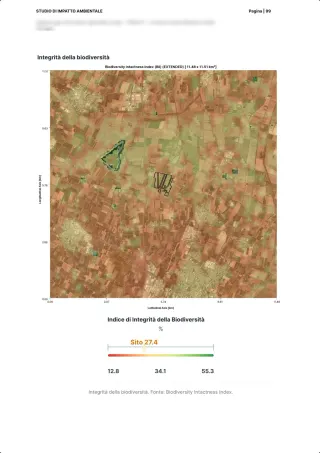
- Regenerative claimsPractices on supplier farms must be measured, not declared.XN Biodiversity
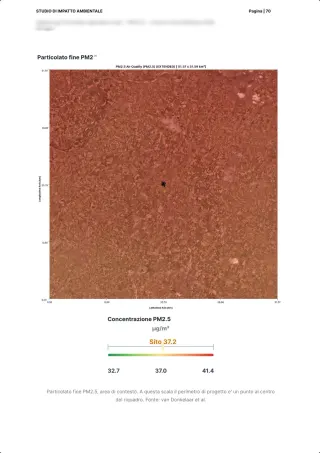
- Water in the supply chainStress and quality risk on the catchments of your suppliers.XN Water Risk
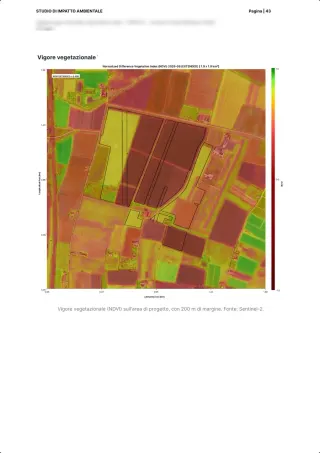
- Deforestation and land-useEUDR due diligence and land-use change per plot.XN Vegetation
Recommended for Agrifood Supply Chains
Three products cover most Agrifood Supply Chains portfolios.
Start from the one your next deadline needs; the others plug into the same site model.
- XN Biodiversity
Biodiversity & Nature Management System
Biodiversity baseline and sensors on supplier farms.Learn more - XN Water Risk
Water Risk Intelligence System
Water risk per supplier catchment.Learn more - XN Vegetation
Vegetation Management System
Tree cover and land-use change per supplier plot, from satellite.Learn more
Agrifood Supply Chains projects
Supply chains monitored from Italy to Portugal.
drag to rotate · pick a pin, open its case study
ITItaly · vegetable supply chainFindusAgrifoodXN BIODIVERSITYRead the case studyAll case studiesAgrifood Supply Chains case studies
 Alce Nero · AgrifoodOrganic at scale, validated by data from eight sitesRead the case study
 Findus · AgrifoodFindus monitors regenerative practices in its vegetable supply chainRead the case study
 Colussi · AgrifoodRegenerative agriculture for cereals, validated by dataRead the case study
 Fattoria La Maliosa · AgrifoodVineyard and olive grove biodiversity measured with dataRead the case study
 Fattoria di Maiano · AgrifoodHistoric olive groves and measured biodiversity across Tuscany and VenetoRead the case study
 Sammontana Corporate · AgrifoodThe Amando almond grows in a monitored orchardRead the case study
Example reports
See what you receive: real reports, anonymised
Deliverables our experts signed for real clients, with names, places and coordinates removed. Pick one, leave your details and download the PDF straight away.
Your report is ready.
Open it now; a strategist may follow up if it fits a project of yours.
Download the PDF ↓Our systems are temporarily unreachable and the request did not go through. Try again, or write to info@3bee.com.
FAQ
Frequently asked questions
What does "measurable biodiversity" in a vineyard actually mean?
Measurable biodiversity translates into numerical indices: the Bioacoustic Biodiversity Index (IBI) calculated from the bird calls recorded by the Birdy sensor, the pollination-pressure index from Spectrum, the NDVI and LST vegetation indices from satellite, and the soil microbiome.
How long does it take to see the first results?
Bioacoustic data begins to accumulate from the first day the Birdy sensor is installed. After just 30 days you will already have a first portrait of the species present and their activity rhythms.
Are biodiversity credits already tradable on regulated markets?
The voluntary biodiversity credit market is evolving quickly: the TNFD framework and the Biodiversity Net Gain methodology (UK) are already operational. XNatura credits follow the BNG methodology and can be purchased by companies that want to offset their impact on nature in a verifiable way.
Do you monitor only birds or other taxonomic groups too?
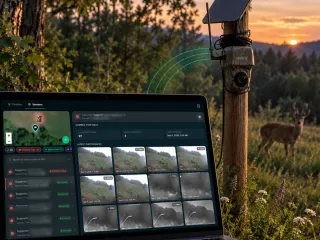
The Birdy sensor is specialised for bird calls, but it also captures sounds of bats and some insects. Spectrum is dedicated to pollinators (bees, hornets, hoverflies). Soil eDNA analyses detect vertebrates, invertebrates and plants. Camera traps complete the picture with mammals and reptiles.
Why is it important to monitor biodiversity in the agricultural sector?
Biodiversity is fundamental for agricultural resilience because it supports the essential ecosystem services for the productivity and stability of agricultural systems.
What's the biggest nature and climate risk in Agrifood Supply Chains?
Regenerative claims. Practices on supplier farms must be measured, not declared.
What else does XNatura monitor in Agrifood Supply Chains?
Water in the supply chain. Stress and quality risk on the catchments of your suppliers.
Which XNatura product is the best starting point in Agrifood Supply Chains?
XN Biodiversity: Biodiversity baseline and sensors on supplier farms.