










Resources · Standard
ESRS: a clear and strategic guide for your sustainability reporting
Discover how to simplify compliance with European standards with XNatura, the integrated platform that ensures transparency in corporate sustainability reporting.

Framework
What are the ESRS?
The ESRS are the EFRAG framework for standardizing sustainability reporting according to CSRD. They require companies to report ESG impacts, ensuring transparency and accountability. XNatura focuses on the main ESRS that cover the most critical sustainability issues for companies today, including biodiversity, climate, and natural resource management.
E1Climate change
Reduction of CO2 emissions and management of renewable energy sources.
E2Pollution
Monitoring and management of pollutants.
E3Water Resources
Sustainable use of water resources.
E4Biodiversity and Ecosystems
Biodiversity conservation and management.
Business case
ESRS at the heart of the corporate strategy
Integrating the ESRS into the business strategy allows companies to align with the European Green Deal, improving ESG transparency and competitiveness. XNatura supports with reliable data and advanced tools for biodiversity, nature, and climate reporting.
- 01
Risk Management
Monitor and mitigate sustainability-related risks. XNatura provides a detailed analysis of environmental impacts and dependencies, helping businesses identify risks and implement effective mitigation strategies.
- 02
Regulatory compliance
Comply with European directives and anticipate future regulations. With its ability to collect and process environmental data, XNatura facilitates compliance with the ESRS, providing accurate and traceable information in line with the standards.
- 03
Strategic value
Increase stakeholder confidence and attract responsible investors. XNatura provides scientifically validated environmental data in line with ESRS standards that can be integrated directly into your company's sustainability report, ensuring transparency.
Applicability
Who are the ESRS for?
The ESRS are aimed at all companies covered by the CSRD directive, which need to align with its requirements, improve ESG transparency, and address the challenges related to sustainability.
CSRD-subject companies
Since Directive (EU) 2026/470, sustainability reporting is mandatory for undertakings with more than 1,000 employees and net turnover above EUR 450 million, from financial years starting on 1 January 2027.Companies with voluntary ESG reporting
SMEs and other companies not subject to the CSRD, but that choose to implement voluntary ESG reporting to attract investors, business partners, or customers focused on sustainability.High environmental impact sectors
Industries with a direct impact on the environment, biodiversity, or natural resources, including energy, transportation, agriculture, construction, and manufacturing, which face increasingly stringent environmental and regulatory challenges.
Compliance workflow
How XNatura supports ESRS compliance
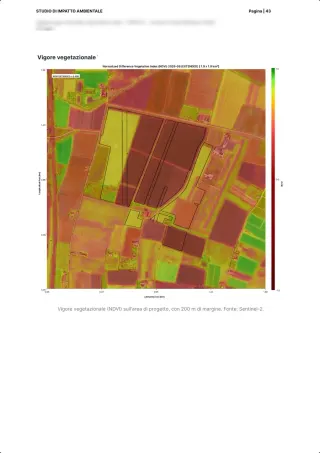
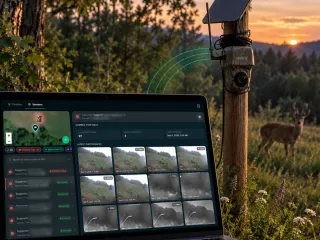
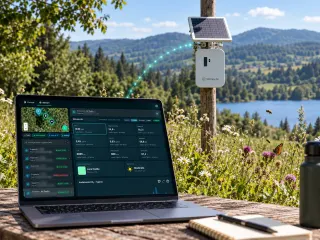
ESRS require strict management of ESG data. Companies are required to collect and manage a vast amount of ESG data, often scattered across departments, non-standardised, and difficult to verify. XNatura centralises all ESG data in a single platform, combining monitoring and automation: the dashboard collects and integrates real-time data from authoritative sources with advanced proprietary technologies, such as IoT sensors for environmental monitoring, ensuring data quality, transparency and consistency.
FAQ
Frequently asked questions
What is XNatura?
XNatura is the internal division of Nature Intelligence of 3Bee srl, focused on monitoring and managing environmental risks and impacts. XNatura is born from years of established research and development in naturetech and aims to be a reference point for businesses, municipalities, and natural parks that want to integrate data-driven solutions into their environmental management strategies.
What is XNatura's flagship product?
XNatura's flagship product is its Environmental Platform, the first integrated platform that allows companies, natural parks, and municipalities to define and implement a comprehensive strategy on biodiversity, nature, and climate. The platform enables monitoring and assessing risks, impacts, opportunities, and dependencies, setting clear goals, and tracking metrics, all in one tool.
Is XNatura's Environmental Platform compliant with international reporting standards?
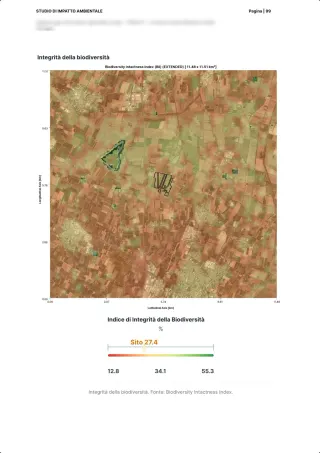
Yes, the Environmental Platform of XNatura allows for monitoring and analyzing environmental impacts and risks through thematic Suites in line with ESRS standards for sustainability reporting: Climate Change, Pollution, Water Resources, and Biodiversity and Ecosystems. Each Suite focuses on specific indices, providing a clear view of the impacts, dependencies, risks, and environmental opportunities related to production activities and business operations.
How does the Environmental Platform of XNatura work?
The Environmental Platform of XNatura is based on an integrated approach grounded in scientific data, which allows for prioritizing risks across various company sites. This way, it is possible to identify the most critical areas, define intervention priorities, and develop targeted environmental mitigation and regeneration strategies at the corporate level. After an initial assessment phase, the Biodiversity & Nature Strategists come into play, professional figures from the XNatura team trained to guide partners in defining a strategic action plan. Based on the data obtained, specific targets are set to be achieved through targeted actions, in order to align with global objectives regarding biodiversity, nature, and climate. The platform provides structured reports, ready to be integrated into corporate sustainability reports in compliance with the transparency and compliance standards set by European regulations.
Downloads
Example reports and guides
Real deliverables, anonymised, and the guides our reporting team wrote for those who have to deliver. Pick one, leave your details and download the PDF straight away.
Your PDF is ready.
Open it now; a strategist may follow up if it fits a project of yours.
Download the PDF ↓Our systems are temporarily unreachable and the request did not go through. Try again, or write to info@3bee.com.