








Technology
How a measurement is actually made
Nature data is only worth what its method is worth. These are the four technologies the platform runs on, and the seven sensors that put a number where a satellite cannot see.
- 4
- Four technologies
- 7
- Field sensors
Four technologies
From orbit to the single hectare
- 01
Integrated artificial intelligence to interpret and enhance environmental data
From data to concrete actions: XNatura integrates generative models to transform complex information into operational decisions
Read the detail - 02
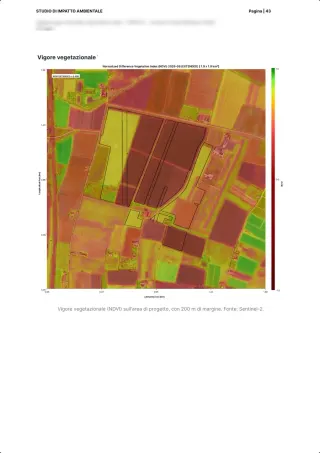
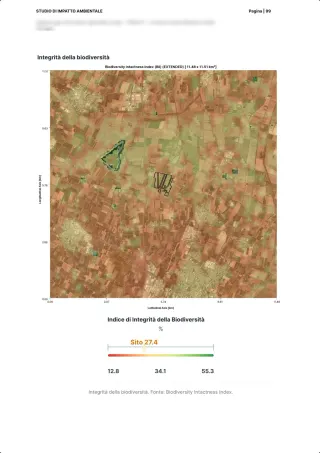
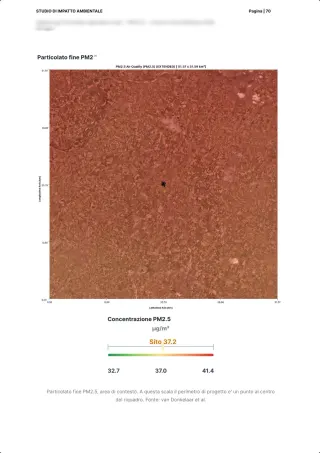
Satellite Maps for Environmental and Territorial Monitoring
Our satellite maps provide detailed analysis of the environment, climate, biodiversity, and risks. Explore the main categories and discover how this information can support sustainable decisions.
Read the detail - 03
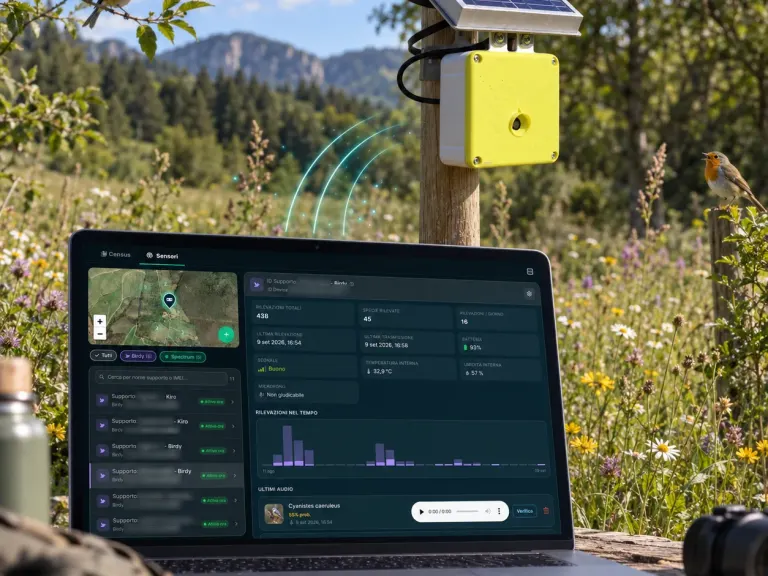
Continuous environmental monitoring with IoT technology
XNatura integrates IoT devices for biodiversity monitoring. From the sound of pollinators to the environmental parameters of hives, each sensor collects geolocated and continuous data, useful for site analysis, ESG reporting, and environmental risk assessment.
Read the detail - 04
NDMI: Normalized Difference Moisture Index
The NDMI (Normalized Difference Moisture Index) measures vegetation water content using Sentinel-2 satellite imagery. It is one of the most reliable remote-sensing indicators for water stress, drought monitoring and forest health assessment.
Read the detail
Field sensors
Seven instruments in the field
Bioacoustics, pollinators, hives, camera traps, air quality and citizen science: each sensor answers a question satellites cannot.
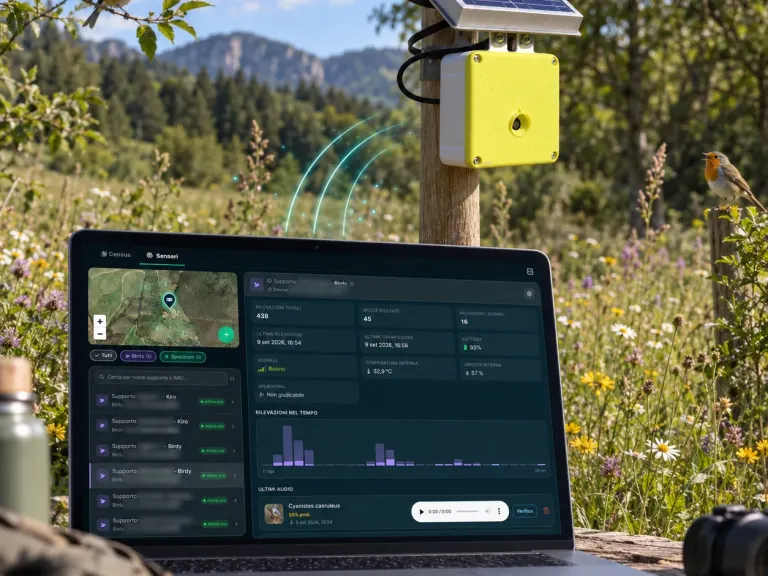
Birdy: Listen to Nature
Birdy listens to and recognizes birds' songs, enabling continuous and non-invasive mapping of avian biodiversity.
Read the detail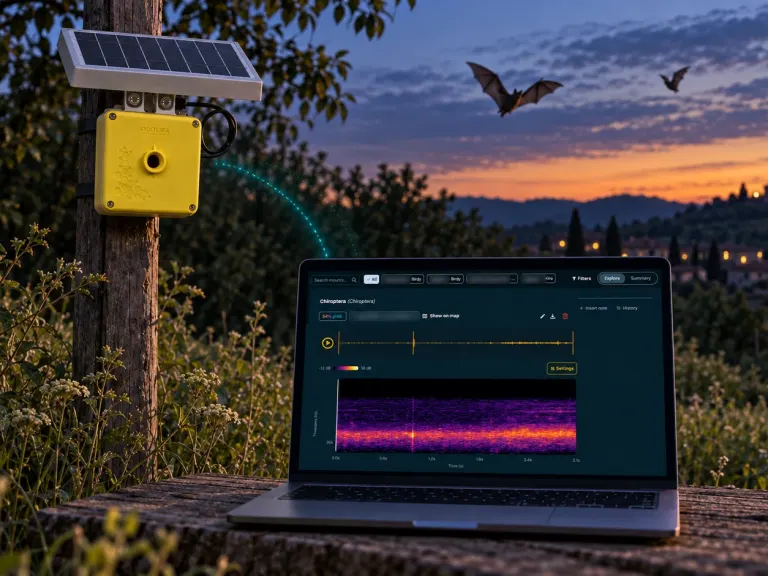
Kiro: Listen to the night
Kiro is the bioacoustic sensor that detects the presence of bats by listening to their ultrasound. Continuous, automatic and non-invasive monitoring of nocturnal biodiversity.
Read the detail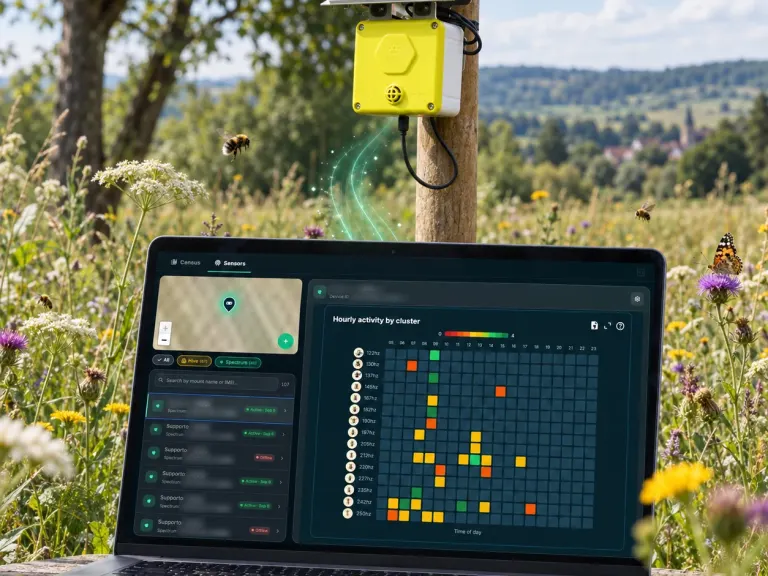
Spectrum: Listen to the pollinators
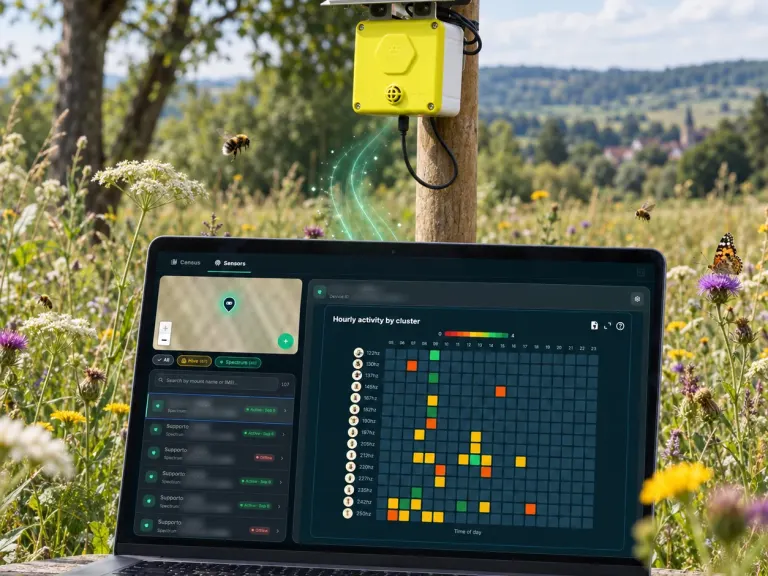
Spectrum listens to the environment and detects the presence of pollinators, classifying them into 19 clusters based on wingbeat frequency. A revolutionary technology for passive biodiversity monitoring.
Read the detail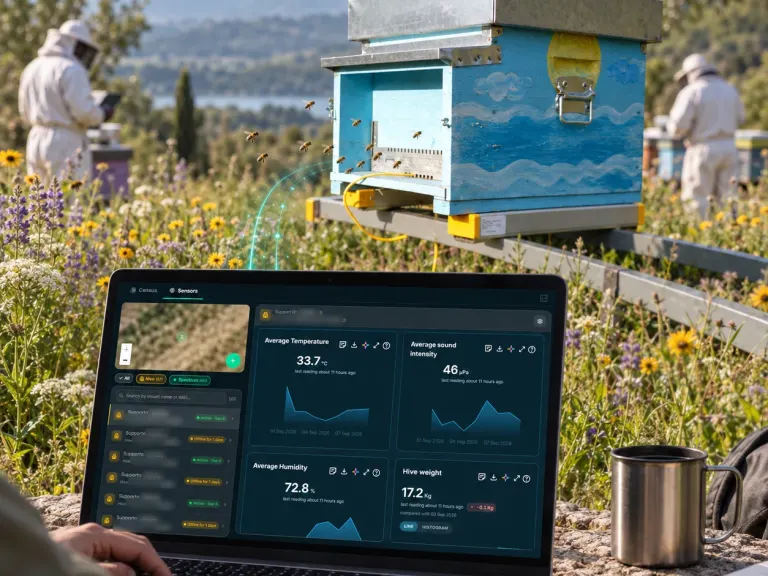
Hive-Tech: Protect the Bees
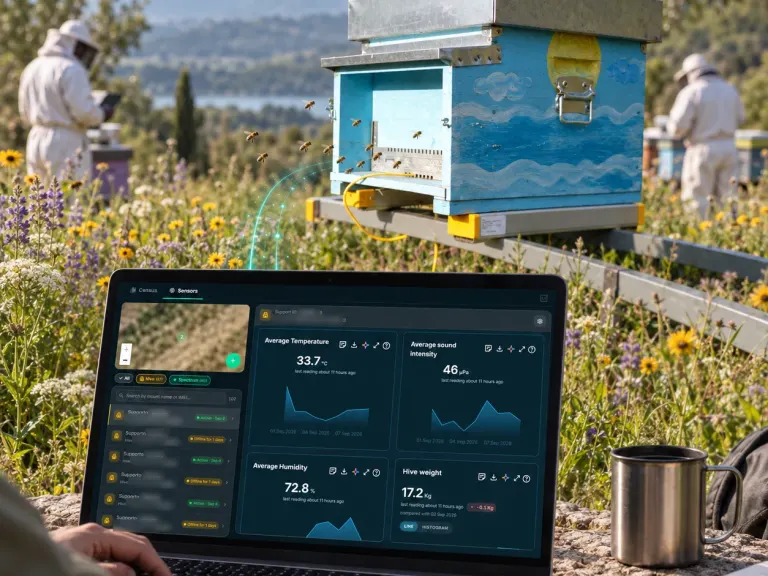
Hive-Tech monitors in real time the health status of bee colonies through biometric parameters, weight, and the hive's environmental conditions.
Read the detail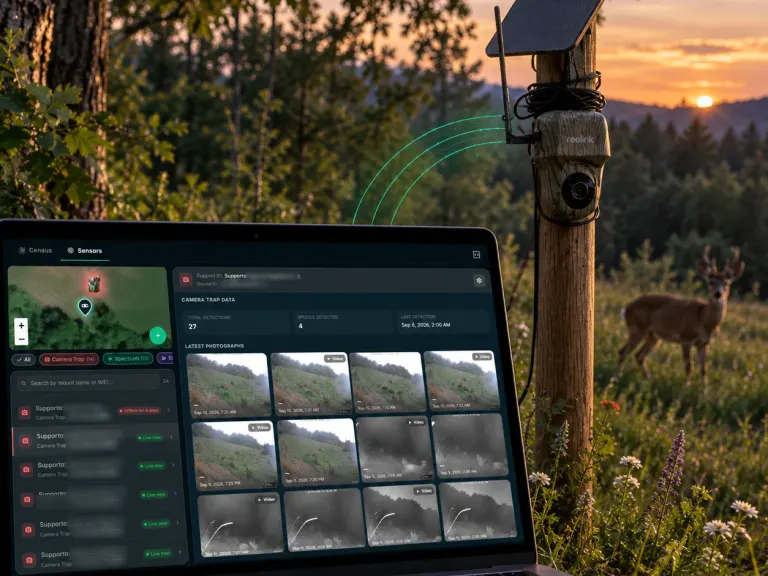
Camera traps: Observe the Wildlife
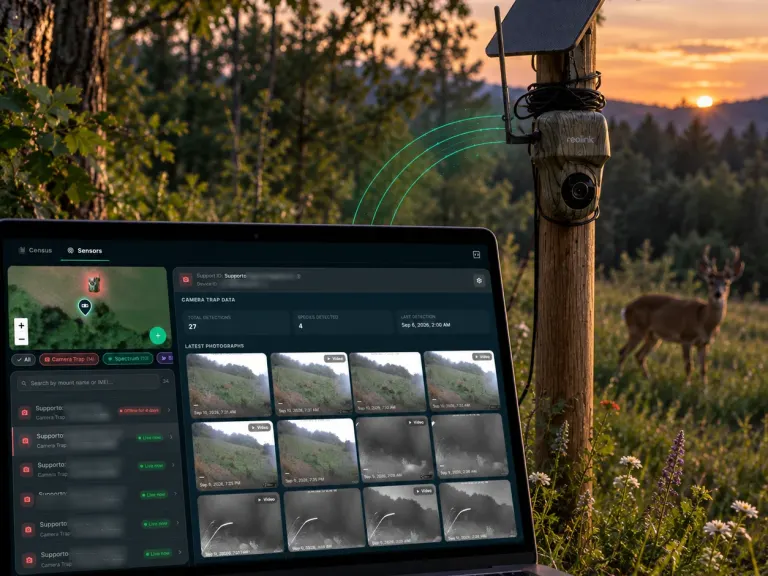
Our trail cameras capture images and videos of wildlife 24/7, enabling non-invasive and scientifically accurate census.
Read the detail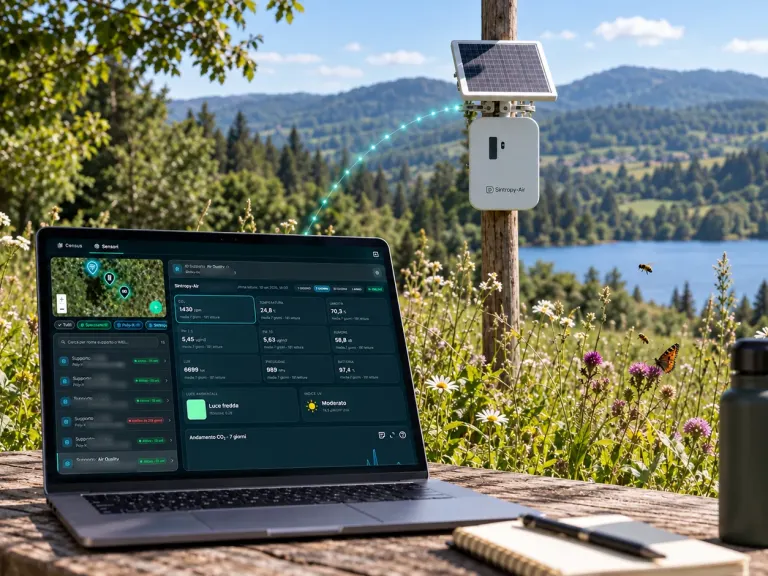
Sintropy Air: Precision air quality
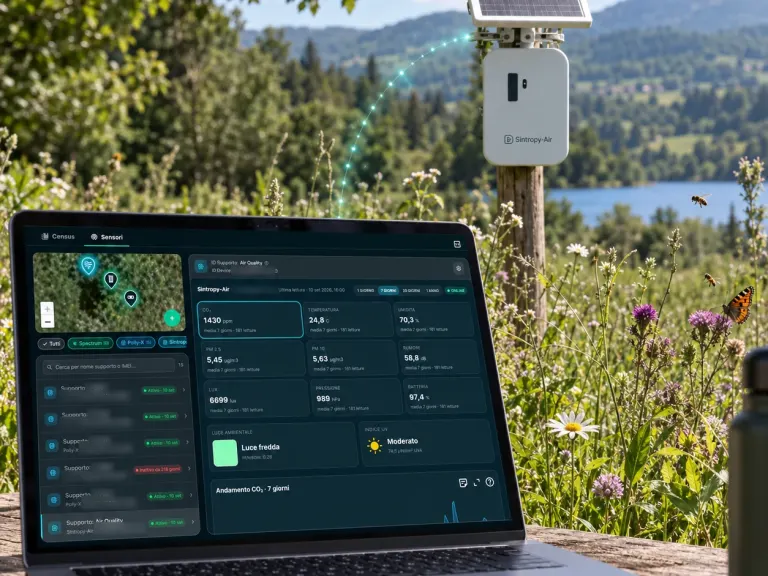
Sintropy Air is the IoT sensor built for reliable, repeatable air quality measurements. It tracks fine particulate matter, gases and atmospheric parameters to give you a complete picture of the environment.
Read the detail
Biodiversa: Snap and Protect
Biodiversa is the free citizen science app that turns every user into a researcher. Photograph plants and pollinators, contribute to the largest European biodiversity archive.
Read the detail
Side by side
Which sensor answers which question
The same seven instruments, compared on the three things that actually decide the choice: what they measure, the numbers that matter, and whether they are available today.
| Sensor | What it measures | Key specifications | Availability |
|---|---|---|---|
 Birdy: Listen to Nature Birdy: Listen to Nature | Bioacoustics |
| On request |
 Kiro: Listen to the night Kiro: Listen to the night | Bioacoustics |
| In field test |
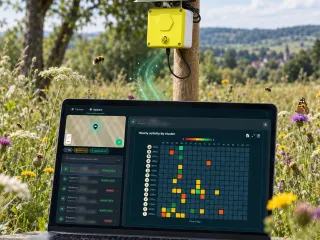 Spectrum: Listen to the pollinators Spectrum: Listen to the pollinators | Pollinators |
| On request |
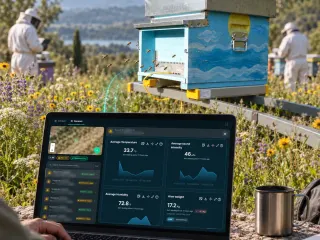 Hive-Tech: Protect the Bees Hive-Tech: Protect the Bees | Hives |
| On request |
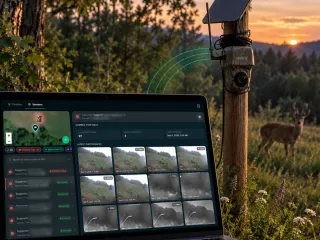 Camera traps: Observe the Wildlife Camera traps: Observe the Wildlife | Images |
| On request |
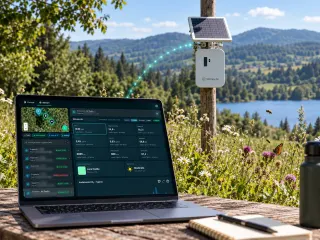 Sintropy Air: Precision air quality Sintropy Air: Precision air quality | Air quality |
| On request |
 Biodiversa: Snap and Protect Biodiversa: Snap and Protect | Citizen science |
| Free app |
How to get it
Sensors on your sites, with an offer from the team
No price list: tell us which sites you need to monitor and what has to be proven there, and the team proposes the devices, how many of them, and the platform subscription.
FAQ
Frequently asked questions
Which sensors are available today?
Five of the seven: Birdy, Spectrum, the camera trap, Sintropy Air and Hive-Tech, which also comes as a bare sensor for hives you already have. None of them is sold from a price list: each comes with an offer from the team, sized on your sites. Kiro is still in field test. Biodiversa is not hardware at all: it is the citizen-science app, free on iOS and Android.
How much does a sensor cost?
There is no price list: the device comes with an offer the team prepares for your project. It depends on how many sites and devices you need, on what has to be monitored and for how long, and on the subscription to the XNatura platform, which turns the readings into species lists, maps and exports. Describe the project on the Talk to us page or in the contact form and the team will send you the offer.
Which sensor should I choose for my site?
Start from the group you have to document. Birds: Birdy. Bats: Kiro. Pollinators: Spectrum. Medium and large mammals: the camera trap. Air quality at ground level: Sintropy Air. Honeybee colonies as an indicator of the surrounding land: Hive-Tech. People recording what they see: Biodiversa. Most sites need one or two of these where field evidence is required, not a device per hectare.
Does XNatura measure with satellites or with sensors?
Both, and for different questions. Satellite layers cover every hectare of every site continuously and are how a portfolio gets compared; field sensors measure what an image cannot see (species heard at night, pollinator visits, air quality at ground level) on the sites where that evidence is needed.
Which species can the bioacoustic sensors identify?
Birdy recognises birdsong and Kiro the ultrasonic echolocation of bats, two groups that indicate habitat quality precisely because they respond quickly to it. Both are passive: they emit nothing and do not disturb the population they observe.
Is a person involved, or is it all automatic?
The pipeline is automatic; the result is signed. Ecologists, agronomists and ESG strategists validate the model output before it reaches a report, which is why the numbers can be defended in a certification or an audit.