









Case study · Infrastructure
Employees in the field, sensors listening: biodiversity takes flight
Air Dolomiti combined environmental regeneration, monitoring and team building by transforming an area near its headquarters into a real-time monitored ecosystem through XNatura's IoT technology and direct employee involvement. The project demonstrates how sustainability, innovation and team spirit can grow together.

Airport areas and the functioning of ecosystems
The air transport sector interacts significantly with local ecosystems. Airport infrastructure and operational areas involve land occupation, habitat fragmentation and changes to ecological corridors, with possible effects on connectivity between species. Observed consequences include a reduction in pollinators, changes in soil characteristics and alterations to the microclimate. At the same time, the management of airport infrastructure is influenced by the state of these ecosystem services, making their consideration relevant in land planning and management activities.
The challenge
Real biodiversity data and employee engagement
Air Dolomiti (Lufthansa Group) identified the need to translate its sustainability values into concrete, territory-rooted action near its Sommacampagna headquarters. The goal was to create a Biodiversity Oasis that was not just an environmental project, but a collective regeneration journey capable of actively engaging its people through dedicated teambuilding days.
What we did
Planting, bioacoustic sensors and satellite analysis
XNatura designed a three-year pathway combining people and IoT technology.
In the field


How we did it
From vision to regeneration
A three-year project structured in phases, each built on the data and results of the previous one.
- 01First team building dayIn April 2025, Air Dolomiti launched a planting project near its Sommacampagna headquarters, creating a biodiversity oasis by planting 100 species of nectar-bearing plants selected to support pollinating insects and contribute to the regeneration of the local ecosystem.
- 02On-site event at headquartersAt the Air Dolomiti headquarters in Sommacampagna, an on-site event was held dedicated to discovering the world of honey, combining a guided tasting session with an Academy training session where participants explored the role of pollinators, the importance of biodiversity and the value of ecosystem protection practices.
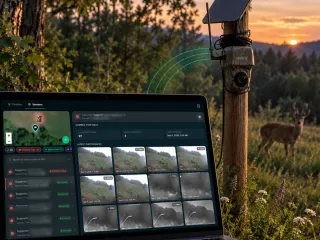
- 032 Spectrum sensors for acoustic biomonitoring2 XNatura Spectrum devices were installed in the area, bioacoustic IoT sensors that operate continuously and non-invasively, detecting the sound waves of pollinators and classifying them by cluster and frequency.
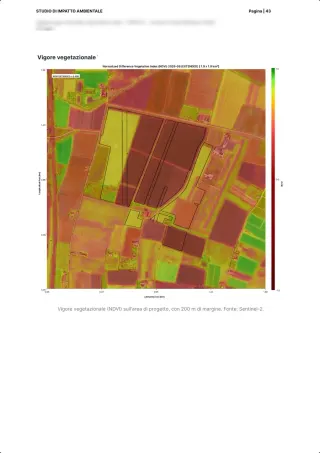
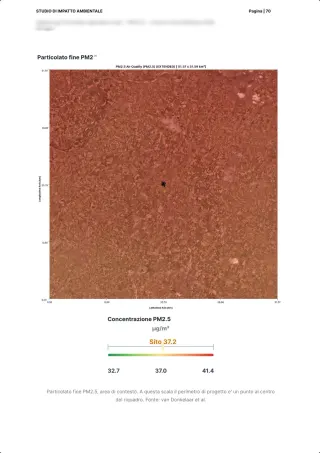
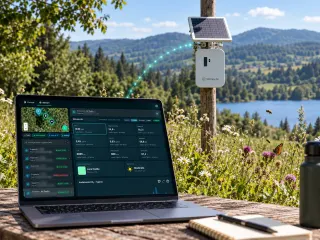
- 04XNatura dashboard active and accessibleThe area's evolution is monitored by the XNatura Environmental Platform, which integrates field sensor data with satellite analysis and AI algorithms. Air Dolomiti has a dedicated dashboard with indicators on biodiversity, land use and climate risk, linked to TNFD and GRI metrics.
- 05Introduction of hives with Hive-Tech technologyInstallation of hives equipped with Hive-Tech, the IoT system for beehive monitoring that collects data on weight, temperature, humidity and colony sound activity, using the bee as an ecosystem bioindicator.
- 06Consolidation and integrated reportingComprehensive impact assessment with reports that can be integrated into Air Dolomiti's ESG strategy and linked to the CSRD and ESRS standards via the XNatura platform. The goal is a measurable improvement of biodiversity indices and a replicable model.
What the data says
The monitoring data
The Spectrum sensors installed in the area detected 124 pollinators, classified into 17 distinct clusters based on the sound frequencies captured by the bioacoustic devices. This species diversity confirms that the regenerated area is attracting a varied community of insects, fundamental for ecosystem health.
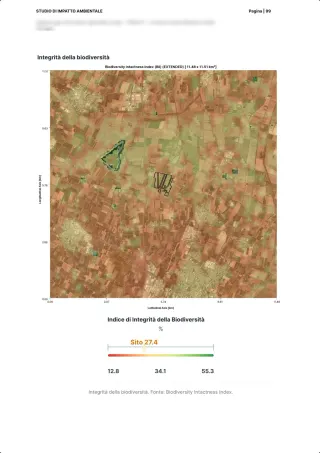
The site's MSA Land Use index reached a value of 36.2, with a Δ of +10.3 compared to the control area. This highlights how the biodiversity in the monitored area is better than in the surrounding non-regenerated territory, a result that confirms the effectiveness of planting interventions.
The team building activities directly involved various stakeholders in planting and in discovering the value of biodiversity and environmental monitoring, transforming sustainability from a corporate goal into a concrete and shared experience.
Monitoring in action
Monitoring in action
The key sections of the XNatura Environmental Platform dedicated to the Air Dolomiti project.
The platform
Access the XNatura Environmental Platform
Register to discover how our technology can support your company in assessment, monitoring and environmental regeneration.
Log in to the platform →
FAQ
Frequently asked questions
What was the environmental challenge at Air Dolomiti?
Airport areas and the functioning of ecosystems. The air transport sector interacts significantly with local ecosystems. Airport infrastructure and operational areas involve land occupation, habitat fragmentation and changes to ecological corridors, with possible effects on connectivity between species. Observed consequences include a reduction in pollinators, changes in soil characteristics and alterations to the microclimate. At the same time, the management of airport infrastructure is influenced by the state of these ecosystem services, making their consideration relevant in land planning and management activities.
What method did XNatura use at Air Dolomiti?
A three-year project structured in phases, each built on the data and results of the previous one.
What data came out of the Air Dolomiti project?
The Spectrum sensors installed in the area detected 124 pollinators, classified into 17 distinct clusters based on the sound frequencies captured by the bioacoustic devices. This species diversity confirms that the regenerated area is attracting a varied community of insects, fundamental for ecosystem health. The site's MSA Land Use index reached a value of 36.2, with a Δ of +10.3 compared to the control area. This highlights how the biodiversity in the monitored area is better than in the surrounding non-regenerated territory, a result that confirms the effectiveness of planting interventions. The team building activities directly involved various stakeholders in planting and in discovering the value of biodiversity and environmental monitoring, transforming sustainability from a corporate goal into a concrete and shared experience.
What access does Air Dolomiti have to the XNatura platform now?
Register to discover how our technology can support your company in assessment, monitoring and environmental regeneration.
Do you want to combine teambuilding and biodiversity monitoring?
XNatura supports companies across all sectors in projects that combine environmental regeneration, technological monitoring and employee engagement, with measurable results from our platform.
Do you want to combine teambuilding and biodiversity monitoring?
XNatura supports companies across all sectors in projects that combine environmental regeneration, technological monitoring and employee engagement, with measurable results from our platform.
More in Infrastructure


