










Case study · Industry
Environmental assessment and prioritization on a global scale
Brembo prioritized 49 sites across 3 continents based on the ecological sensitivity of surrounding territories, using satellite analysis and the XNatura Environmental Platform, to guide actions along the entire value chain.

Braking systems: between supply chain dependencies and environmental impacts
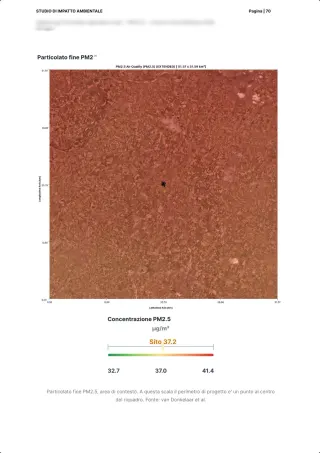
The production of high-performance braking systems depends on raw materials such as cast iron, aluminium, steel and carbon-ceramic composites, subject to price volatility and geopolitical risks. Foundry processes require high energy and water consumption. Impacts include CO₂ and particulate emissions from smelting processes, metallic waste generation and water consumption. Downstream, the wear of discs and pads releases fine particles, contributing to non-exhaust particulate pollution, a central topic in European regulation.
The challenge
Prioritizing 49 sites across 3 continents
Brembo needed a prioritisation system for ecological sensitivity of territories surrounding the 49 total sites. A reporting system consistent with CSRD, TNFD and the GBF was needed, with biodiversity indicators such as MSA to translate data into mitigation actions.
What we did
Satellite assessment on a global scale
XNatura structured the project on three levels: satellite assessment, site prioritisation and strategic consulting activity.
In the field

How we did it
From analysis to global prioritization
A project that, through satellite analysis, enabled the prioritization of 49 sites distributed across 3 continents based on the ecological sensitivity of the territory in which they operate.
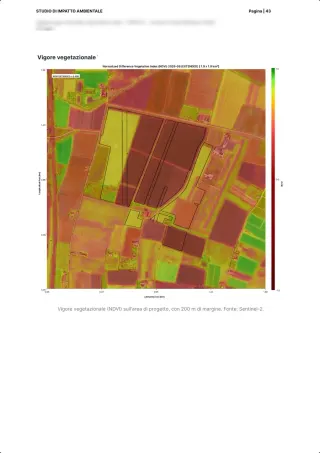
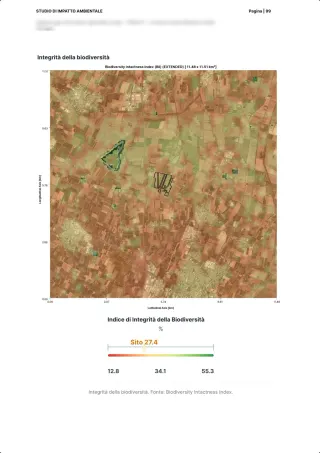
- 01Remote Sensing across 49 global sitesIn 2025, Brembo launched a satellite analysis of 49 sites through Remote Sensing. Satellite images, processed with artificial intelligence algorithms, provided an overview of the ecological sensitivity of the territory surrounding each site: land cover classification, MSA index calculation, pollinator abundance (PA) and identification of protected areas within 25 km of the sites, covering 24 owned facilities and 25 supply chain sites across 3 continents (Europe, Americas and Asia).
- 02Site classification by territorial ecological sensitivityBased on the analysis results, the 49 sites were classified according to the ecological sensitivity of the territory in which they operate. The analysis cross-referenced MSA indices, PA and proximity to protected areas to produce a priority matrix identifying territories with the highest ecological sensitivity.
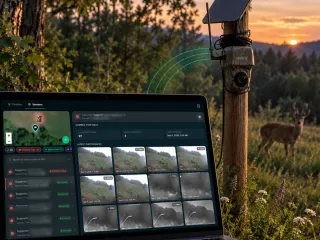
- 03Detailed reports and centralized dashboardAll data flows into the XNatura Environmental Platform, where Brembo can view biodiversity KPIs, climate risks, hydrogeological risks, and the dependency matrix for each site. The platform produces reports with metrics linked to CSRD requirements and the TNFD, translating data into concrete mitigation actions along the entire value chain.
- 04From prioritization to concrete interventionsThe developed priority matrix has been integrated with the identification of strategic actions for mitigating the ecological risk of Brembo's site portfolio and its supply chain. The goal of the action framework is to transform prioritization into an operational mitigation and continuous improvement strategy.
What the data says
From analysis to prioritization
The satellite analysis produced a complete map of the ecological sensitivity of the territory surrounding the 49 sites across 3 continents, with MSA indices ranging from 6.2% to 91% in control areas. The analysis identified the sites operating in territories with high proximity to protected areas, providing Brembo with a quantitative prioritization for defining an intervention strategy.
Monitoring in action
Monitoring in action
Some of the key sections of the XNatura Environmental Platform.
The platform
Access the XNatura Environmental Platform
The platform Brembo uses to analyze the ecological sensitivity of the territory surrounding its 49 sites across 3 continents.
Log in to the platform →
FAQ
Frequently asked questions
What was the environmental challenge at Brembo?
Braking systems: between supply chain dependencies and environmental impacts. The production of high-performance braking systems depends on raw materials such as cast iron, aluminium, steel and carbon-ceramic composites, subject to price volatility and geopolitical risks. Foundry processes require high energy and water consumption. Impacts include CO₂ and particulate emissions from smelting processes, metallic waste generation and water consumption. Downstream, the wear of discs and pads releases fine particles, contributing to non-exhaust particulate pollution, a central topic in European regulation.
What method did XNatura use at Brembo?
A project that, through satellite analysis, enabled the prioritization of 49 sites distributed across 3 continents based on the ecological sensitivity of the territory in which they operate.
What data came out of the Brembo project?
The satellite analysis produced a complete map of the ecological sensitivity of the territory surrounding the 49 sites across 3 continents, with MSA indices ranging from 6.2% to 91% in control areas. The analysis identified the sites operating in territories with high proximity to protected areas, providing Brembo with a quantitative prioritization for defining an intervention strategy.
What access does Brembo have to the XNatura platform now?
The platform Brembo uses to analyze the ecological sensitivity of the territory surrounding its 49 sites across 3 continents.
Want to prioritize the environmental risks of your production sites?
XNatura supports industrial companies in prioritizing their sites on a global scale, assessing the ecological sensitivity of surrounding territories with satellite analysis, impact and dependency matrix, and a platform whose data serves the main reporting standards, from CSRD to TNFD.
Want to prioritize the environmental risks of your production sites?
XNatura supports industrial companies in prioritizing their sites on a global scale, assessing the ecological sensitivity of surrounding territories with satellite analysis, impact and dependency matrix, and a platform whose data serves the main reporting standards, from CSRD to TNFD.
More in Industry
 AGM Inks · IndustryMonitoring and regeneration of biodiversity at corporate sitesRead the case study
 Argor-Heraeus · IndustryFrom Mendrisio to Colombia, biodiversity is measured on a global scaleRead the case study
 Bracco · IndustryFrom pilot project to global programme of biodiversity monitoringRead the case study