









Case study · Industry
A public park becomes a biodiversity laboratory
Comoli Ferrari transformed Parco Golgi in Novara into an open-air biodiversity laboratory, with nectar-rich flower beds, IoT sensors, pollinator shelters and an educational programme for schools, monitoring environmental impact with the XNatura platform.

Energy networks transform territories, biodiversity pays the price
Electrical distribution impacts biodiversity through construction sites, networks and buildings that transform the territory, modifying land use and fragmenting habitats. The loss of pollinators, reduced ecological connectivity and ecosystem alteration compromise hydrogeological stability and the local microclimate. The sector depends on intact ecosystems for water regulation, soil stability and the conservation of key species, which support the functionality and safety of infrastructure distributed across the territory.
The challenge
Scientific data and a park open to the community
Comoli Ferrari sought a measurable ecological impact. The degraded Parco Golgi was the ideal test site, requiring a scientific baseline and continuous monitoring. The project had to be open to the city : school paths and a park where the community could experience urban regeneration first-hand.
What we did
An open-air laboratory for biodiversity
XNatura responded with an integrated project: physical interventions, IoT technology and an educational programme.
In the field


How we did it
From baseline to measurable regeneration
A project structured in four phases to regenerate urban biodiversity with scientific data, from pre-intervention monitoring to impact verification.
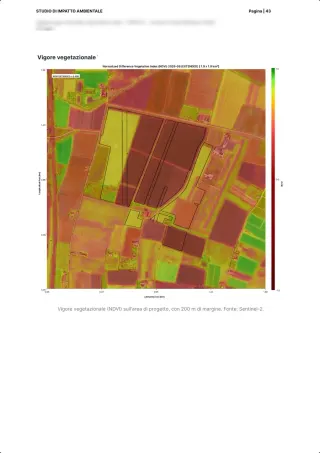
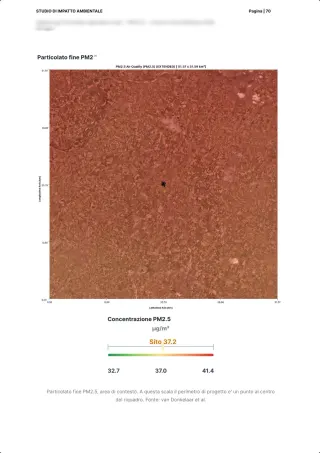
- 01Satellite analysis of the initial stateIn 2024, Comoli Ferrari launched pre-regeneration monitoring of Parco Golgi using satellite analysis with Remote Sensing. Images processed through artificial intelligence provided a reference baseline, capturing the initial state of the area in terms of biodiversity, waterproofing and natural cover. These data enabled planning of interventions based on objective criticalities.
- 02Physical interventions for biodiversityThe regeneration phase transformed the area with targeted interventions to increase biodiversity and reduce soil waterproofing. Nectar-rich flower beds were created with over 30 native species to provide resources for pollinators, 31 differentiated shelters were installed for mason bees, butterflies and ladybirds, a central bug hotel with 15 modules, and an educational path with 10 interactive stations.
- 03IoT sensors and impact verificationIn the post-regeneration phase, satellite data was integrated with readings from the 5 IoT sensors installed in the park. The multi-level approach, combining Spectrum bioacoustic sensors, PollyX sensors for air quality and a technological apiary with 2 monitored hives, enabled precise verification of the effects of interventions on the area's biodiversity.
- 04From urban park to educational hubParco Golgi becomes a reference point for environmental education in Novara: educational programmes for primary schools, public engagement activities and continuous biodiversity monitoring. The goal is to consolidate the measurable urban regeneration model and replicate it in other contexts, integrating environmental data into Comoli Ferrari's sustainability strategy.
What the data says
Measurable regeneration
The project generated a strong impact on the local community. Over 500 primary school children participated in 4 educational days in the park, exploring the 2 biodiversity paths with interactive stations dedicated to pollinators, nectar plants and how the sensors work. These activities have transformed Parco Golgi into a reference point for environmental education in Novara.
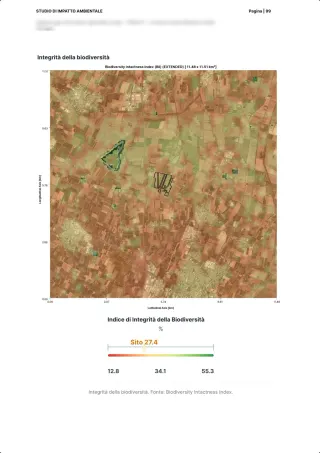
On the scientific front, the site's MSA Land Use index reached 42.7, with a Δ of +22.1 compared to the control area. The regenerated park has much higher biodiversity than the surrounding urbanised territory, confirming the effectiveness of the interventions. Additionally, 26 at-risk species were identified in the area, a figure highlighting the ecological value of the site and the need to continue monitoring to protect these vulnerable populations.
Monitoring in action
Monitoring in action
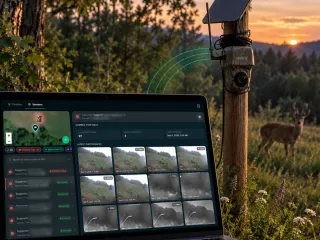
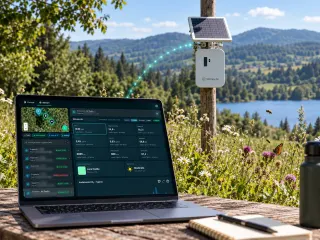
Key sections of the XNatura Environmental Platform dedicated to Parco Golgi in Novara.
The platform
Access the XNatura Environmental Platform
The platform Comoli Ferrari uses to monitor the biodiversity regeneration at Parco Golgi in Novara.
Log in to the platform →
FAQ
Frequently asked questions
What was the environmental challenge at Comoli Ferrari?
Energy networks transform territories, biodiversity pays the price. Electrical distribution impacts biodiversity through construction sites, networks and buildings that transform the territory, modifying land use and fragmenting habitats. The loss of pollinators, reduced ecological connectivity and ecosystem alteration compromise hydrogeological stability and the local microclimate. The sector depends on intact ecosystems for water regulation, soil stability and the conservation of key species, which support the functionality and safety of infrastructure distributed across the territory.
What method did XNatura use at Comoli Ferrari?
A project structured in four phases to regenerate urban biodiversity with scientific data, from pre-intervention monitoring to impact verification.
What data came out of the Comoli Ferrari project?
The project generated a strong impact on the local community. Over 500 primary school children participated in 4 educational days in the park, exploring the 2 biodiversity paths with interactive stations dedicated to pollinators, nectar plants and how the sensors work. These activities have transformed Parco Golgi into a reference point for environmental education in Novara. On the scientific front, the site's MSA Land Use index reached 42.7, with a Δ of +22.1 compared to the control area. The regenerated park has much higher biodiversity than the surrounding urbanised territory, confirming the effectiveness of the interventions. Additionally, 26 at-risk species were identified in the area, a figure highlighting the ecological value of the site and the need to continue monitoring to protect these vulnerable populations.
What access does Comoli Ferrari have to the XNatura platform now?
The platform Comoli Ferrari uses to monitor the biodiversity regeneration at Parco Golgi in Novara.
Do you want to regenerate biodiversity in your corporate spaces?
XNatura supports companies in the regeneration and monitoring of urban biodiversity, with IoT technology, satellite analysis and educational programmes for the community, measuring impact with scientific data.
Do you want to regenerate biodiversity in your corporate spaces?
XNatura supports companies in the regeneration and monitoring of urban biodiversity, with IoT technology, satellite analysis and educational programmes for the community, measuring impact with scientific data.
More in Industry
 AGM Inks · IndustryMonitoring and regeneration of biodiversity at corporate sitesRead the case study
 Argor-Heraeus · IndustryFrom Mendrisio to Colombia, biodiversity is measured on a global scaleRead the case study
 Bracco · IndustryFrom pilot project to global programme of biodiversity monitoringRead the case study