








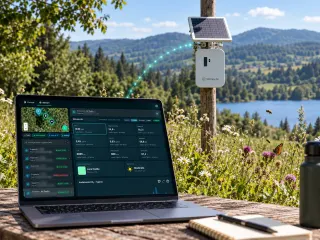

Case study · Agrifood
Historic olive groves and measured biodiversity across Tuscany and Veneto
Biodiversity monitoring across two sites, the historic estate on the Fiesole hills and Villa di Modolo in Valbelluna, to enhance the natural heritage of olive groves, woodlands and agricultural landscapes with scientific data and site-control comparison.

Olive farming between emerging risks and dependence on biodiversity
Olive farming depends directly on ecosystem health: pollinators, active soil, water regulation and microclimate are essential services for productivity and oil quality. At the same time, olive groves face growing risks. Climate change alters flowering and ripening cycles, increases water stress and favours pathogens such as Xylella fastidiosa, which has devastated entire olive districts in the Mediterranean. Simplified agricultural landscapes reduce pollinator diversity, weakening crop resilience.
The challenge
Scientific data to enhance the natural heritage of olive-growing sites
Fattoria di Maiano manages historic organic olive groves in Fiesole and Villa di Modolo. Measuring biodiversity required a data-driven approach, not perception. A monitoring system was needed to build a baseline, compare ecological conditions with the surroundings and produce evidence for management.
What we did
Nine IoT sensors and satellite analysis with site-control comparison
XNatura designed a monitoring system to enhance the natural heritage and quantify biodiversity. From 2025, it extends to Villa di Modolo in Valbelluna.
In the field


How we did it
From satellite to the monitored olive groves
A multi-year project integrating satellite analysis, acoustic sensors and site-control comparison to document and enhance the biodiversity of the historic estate.
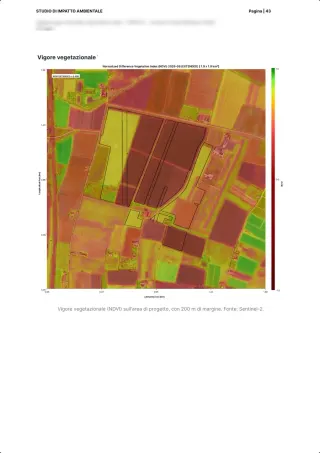
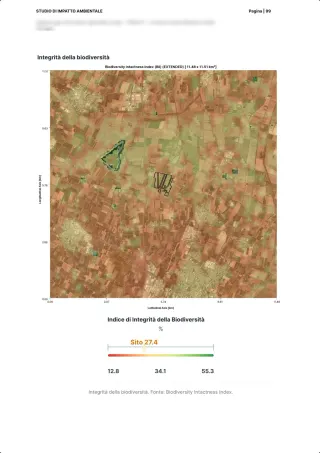
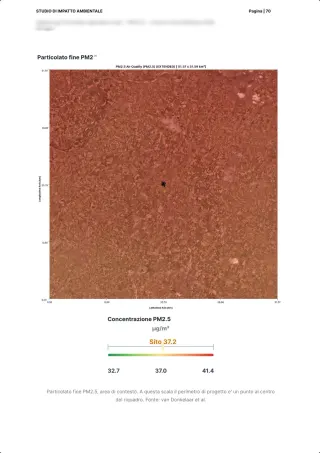
- 01Ecological assessment of the estate and control areaSatellite analysis mapped the estate's 210 hectares and a control area, producing the biodiversity index baseline: MSA (Mean Species Abundance), nectar potential, soil cover, drought risk and hydrogeological risk. These data defined the starting point for multi-year comparison.
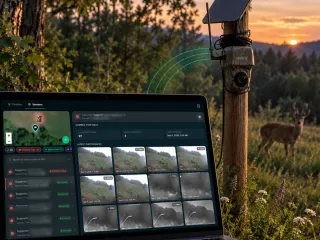
- 02Eight Spectrum in the olive and woodland mosaicThe 8 Spectrum sensors were positioned across the estate's different environments to continuously detect the presence and acoustic diversity of pollinators. Coverage spans historic olive groves, woodland areas and open zones, enabling comparison of pollinator communities across different compartments and tracking seasonal dynamics.
- 03Organic olive farming vs surrounding territorySatellite and sensor data were integrated to compare the estate's ecological conditions with the control area. The site-control comparison quantifies the difference in MSA, nectar potential, pollinator diversity and soil cover, documenting the ecological contribution of organic management with scientific evidence.
- 04From data to natural heritage enhancementData flows into the XNatura Environmental Platform, where Fattoria di Maiano monitors biodiversity evolution season after season. The goal is to build a multi-year time series documenting the estate's ecological health over time and providing an evidence-based communication tool for visitors, clients and stakeholders.
What the data says
Data from Fiesole and Valbelluna
At the Fattoria di Maiano site, the 6 Spectrum sensors monitored 5,841 pollinators, documenting the richness of insect communities inhabiting the estate's historic olive groves and woodland areas. The site-control comparison reveals a delta of –6.20 on the MSA Land Use index: the site reaches an MSA of 67, a very good value in absolute terms, which is lower than the control (73.3) only because the site sits in a high-biodiversity context where even the surrounding territory maintains excellent ecological conditions.
At the Villa di Modolo site in Valbelluna, monitored from 2025 with 2 Spectrum sensors, 1,517 pollinators were detected in the first months of activity. The site-control delta is –31.80 on the MSA Land Use index, a figure reflecting the site's location in an area of very high biodiversity at the foot of the Belluno Dolomites, with a control MSA Land Use of 72. Multi-year monitoring across both sites will allow tracking biodiversity evolution over time and measuring the impact of organic management practices.
Monitoring in action
Monitoring in action
Key sections of the XNatura Environmental Platform dedicated to Fattoria di Maiano.
The platform
Access the XNatura Environmental Platform
The platform with which Fattoria di Maiano monitors the estate's biodiversity and enhances the natural heritage of olive groves and woodlands with comparable data over time.
Log in to the platform →
FAQ
Frequently asked questions
What was the environmental challenge at Fattoria di Maiano?
Olive farming between emerging risks and dependence on biodiversity. Olive farming depends directly on ecosystem health: pollinators, active soil, water regulation and microclimate are essential services for productivity and oil quality. At the same time, olive groves face growing risks. Climate change alters flowering and ripening cycles, increases water stress and favours pathogens such as Xylella fastidiosa, which has devastated entire olive districts in the Mediterranean. Simplified agricultural landscapes reduce pollinator diversity, weakening crop resilience.
What method did XNatura use at Fattoria di Maiano?
A multi-year project integrating satellite analysis, acoustic sensors and site-control comparison to document and enhance the biodiversity of the historic estate.
What data came out of the Fattoria di Maiano project?
At the Fattoria di Maiano site, the 6 Spectrum sensors monitored 5,841 pollinators, documenting the richness of insect communities inhabiting the estate's historic olive groves and woodland areas. The site-control comparison reveals a delta of –6.20 on the MSA Land Use index: the site reaches an MSA of 67, a very good value in absolute terms, which is lower than the control (73.3) only because the site sits in a high-biodiversity context where even the surrounding territory maintains excellent ecological conditions. At the Villa di Modolo site in Valbelluna, monitored from 2025 with 2 Spectrum sensors, 1,517 pollinators were detected in the first months of activity. The site-control delta is –31.80 on the MSA Land Use index, a figure reflecting the site's location in an area of very high biodiversity at the foot of the Belluno Dolomites, with a control MSA Land Use of 72. Multi-year monitoring across both sites will allow tracking biodiversity evolution over time and measuring the impact of organic management practices.
What access does Fattoria di Maiano have to the XNatura platform now?
The platform with which Fattoria di Maiano monitors the estate's biodiversity and enhances the natural heritage of olive groves and woodlands with comparable data over time.
Do you want to measure your farm's biodiversity?
XNatura supports farms, supply chains and consortia in biodiversity monitoring with IoT sensors, satellite mapping, site-control comparison and validated scientific protocols.
Do you want to measure your farm's biodiversity?
XNatura supports farms, supply chains and consortia in biodiversity monitoring with IoT sensors, satellite mapping, site-control comparison and validated scientific protocols.
More in Agrifood


