









Resources / FAQ / Standards & assessments
Resources · FAQ · Standards & assessments
UNI/PdR 179:2025 - Biodiversity Credits: standardizing regeneration with XNatura
We delve into the new Reference Practice UNI/PdR 179:2025, to which we have actively participated in drafting, explaining how it defines the criteria for generating biodiversity credits and how XNatura is the technological tool to implement them.
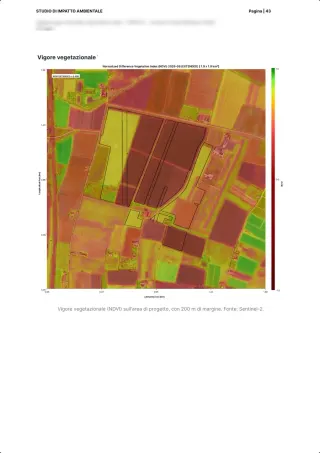
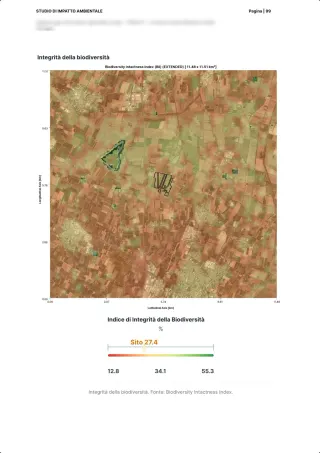
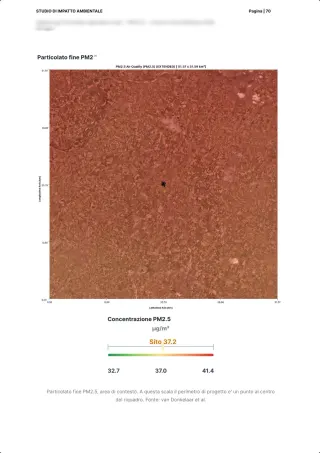
The full page, with a report to browseBiodiversity Credits, the project page by page UNI/PdR 179:2025 on an initial report to browse, from the MSA baseline to the credit calculation.Questions & answers
1. What is UNI/PdR 179:2025 and what are its characteristics?
The UNI/PdR 179:2025 is the first Italian reference practice that establishes objective and certifiable criteria for the generation, management, and exchange of biodiversity credits. While carbon credits are now well established, biodiversity credits are more complex as they must reflect the quality and resilience of a local ecosystem. The UNI/PdR 179 fills this gap by providing a technical framework to ensure that each credit represents a real, additional, and lasting improvement of nature. The key characteristics of the UNI/PdR are: Additionality: the project must generate a benefit that would not have occurred without the intervention. Measurability: every improvement must be quantified through rigorous scientific indicators. Traceability: credits must be registered to avoid the phenomenon of double counting. Monitoring over time: biodiversity must not only be created but also maintained and monitored throughout the project's duration.
2. What are biodiversity credits for?
The credits generated according to the UNI/PdR 179:2025 allow organizations to invest in certified nature projects, with various strategic objectives such as: Meeting ESG targets: actively contributing to the company's Nature Positive strategy. Funding regeneration: enabling land managers (farmers, parks, entities) to receive funds to protect and restore their assets. Transparency: communicating to stakeholders real positive impacts, validated by a national reference practice and based on reliable data.
3. The role of XNatura: from the drafting of the standard to operational practice
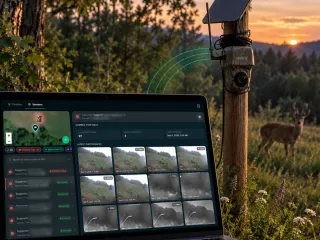
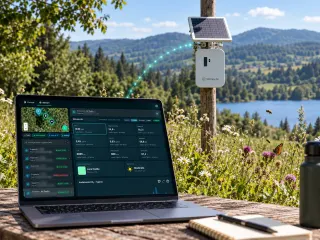
Having participated in the technical table for drafting UNI/PdR 179:2025, we have integrated the requirements of the practice directly into the technological heart of XNatura. The platform acts as the digital enabler for every phase of the credit life cycle: A. Measuring the baseline and defining targets. The practice requires an accurate initial snapshot. XNatura, through environmental KPIs collected remotely, establishes the ecological starting state with a scientific and standardized approach, essential to demonstrate future additionality. By measuring MSA (Mean Species Abundance) for the site under analysis, it can set regeneration targets, quantified as equivalent hectares of restored biodiversity. B. Technological monitoring and transparency. UNI/PdR 179:2025 emphasizes monitoring over time, a type of analysis that XNatura performs through the collection of satellite data integrated with data from the field via IoT sensors. In particular, the use of sensors such as bioacoustic systems for pollinators and avifauna or camera traps is crucial for collecting environmental data directly in the field, providing incontrovertible evidence of biodiversity improvement. C. Scenario management and credit calculation. Thanks to the Scenarios functionality, it is possible to plan the regeneration intervention and estimate how many "credits" (or units of improvement) the project can generate. This allows companies to invest with a clear forecast of ecological return. D. Certifiable reporting and auditing. XNatura's automatic reports are structured to reflect the requirements of UNI/PdR 179:2025. This greatly simplifies the work of third-party certifying bodies, accelerating the validation and issuance process of the credits. Do you want to generate or acquire biodiversity credits compliant with the new UNI/PdR 179:2025? Leverage the expertise of those who contributed to writing the standard: request a consultation with our experts to discover how XNatura supports your regeneration project.
See it live