









Case study · Cities & real estate
Nine hectares of measured biodiversity in the heart of Milan
BAM, Biblioteca degli Alberi Milano, scientifically monitors the biodiversity of the contemporary park in the Porta Nuova district, with 2 Spectrum sensors and satellite analysis across 9 hectares in the city center.

When urban green spaces are not measured, they are not protected
The real estate sector is highly exposed to risks from biodiversity loss and climate change. Intensive urbanization creates heat islands, soil sealing, habitat fragmentation, and the loss of key ecosystem services like thermal regulation, drainage, and pollination. Biodiversity loss in cities compromises infrastructure resilience, livability, and property values. Urban green spaces can mitigate these impacts, but only if their ecological value is measured and managed with scientific data.
The challenge
Scientific data to demonstrate the real ecological value of the park
BAM, a cultural hub in central Milan, lacked a structured monitoring system to demonstrate its real contribution to urban biodiversity using comparable data. A rigorous comparative assessment was needed to quantify the park's ecological value versus the urban area, with sustainability indicators.
What we did
Remote sensing and Spectrum sensors to map 9 hectares of biodiversity
Project on two levels: remote analysis and field monitoring, integrated into the XNatura platform.
In the field


How we did it
From satellite to field
A project that starts from satellite analysis of the park and reaches continuous monitoring of pollinators as bioindicators of urban ecological quality.
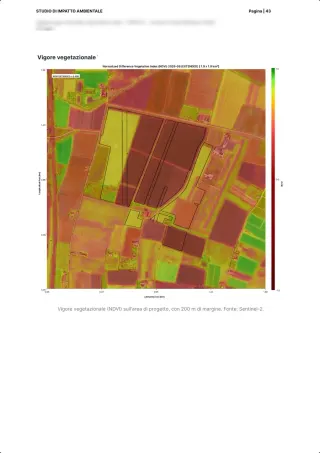
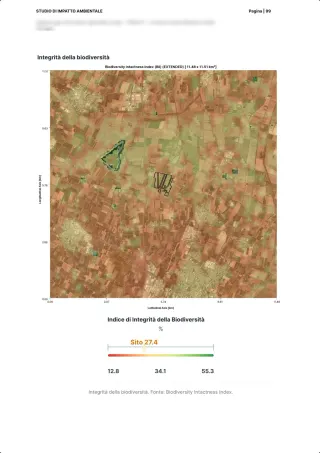
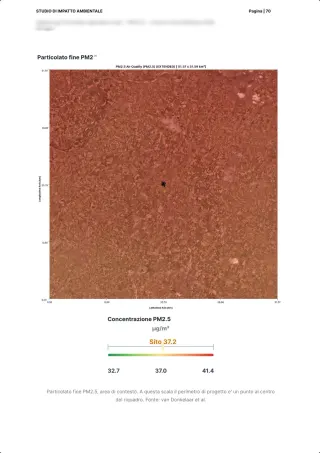
- 01Remote analysis on 9 hectaresThe project started with a satellite analysis of the park's 9 hectares via Remote Sensing. The analysis mapped vegetation cover, land use, floral availability, and habitat suitability, comparing BAM with the surrounding urban area. Results confirmed a significant ecological differential between the park and the urban context, validating BAM's role as a biodiversity refuge.
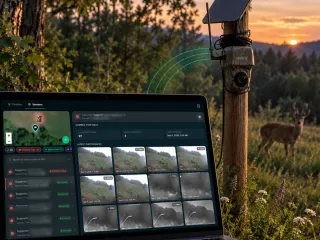
- 022 Spectrum sensors in the park2 Spectrum sensors were installed in the park for continuous bioacoustic monitoring of pollinators. Each sensor detects and classifies species through sound analysis, producing data on abundance and diversity. Monitoring confirmed the park's ability to attract and support pollinator populations even in a highly urbanized context.
- 03XNatura Platform for integrated dataAll data flows into the XNatura Environmental Platform, which integrates satellite analysis and bioacoustic surveys. BAM has a dedicated dashboard with indicators on biodiversity, microclimate, climate risks, and site-control comparison, usable to communicate the park's ecological value and fuel the sustainability strategy.
- 04Monitoring expansion and targeted actionsBased on collected data, BAM will be able to plan targeted interventions to further enhance its ecological value: expanding the sensor network, planting nectar-rich species in lower-biodiversity areas, and consolidating the model as a reference for contemporary urban green spaces.
What the data says
The monitoring data
All key results are expressed as the differential between BAM park and the surrounding urban area (site-control), highlighting the park's real ecological contribution compared to its surrounding context. The park's MSA Land Use index records a Δ of +31 compared to the control area. The relative abundance of pollinators shows a Δ of +4 in favour of the park, while the nectariferous potential records a Δ of +59, confirming that the park provides significantly greater food resources for pollinators than the surrounding urban context.
The 2 Spectrum sensors detected over 1,700 pollinators through bioacoustic analysis, confirming that an urban park designed with attention to biodiversity can serve as a significant ecological refuge even in the heart of a metropolis. This data constitutes the scientific basis for guiding future improvement strategies and communicating the park's environmental value.
Monitoring in action
Monitoring in action
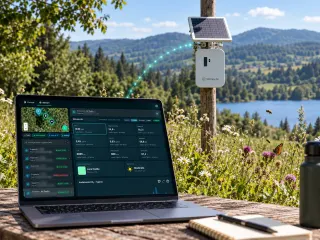
Key sections of the XNatura Environmental Platform dedicated to the BAM project.
The platform
Access the XNatura Environmental Platform
The platform with which BAM monitors biodiversity and the ecological value of the park in the Porta Nuova district.
Log in to the platform →
FAQ
Frequently asked questions
What was the environmental challenge at BAM?
When urban green spaces are not measured, they are not protected. The real estate sector is highly exposed to risks from biodiversity loss and climate change. Intensive urbanization creates heat islands, soil sealing, habitat fragmentation, and the loss of key ecosystem services like thermal regulation, drainage, and pollination. Biodiversity loss in cities compromises infrastructure resilience, livability, and property values. Urban green spaces can mitigate these impacts, but only if their ecological value is measured and managed with scientific data.
What method did XNatura use at BAM?
A project that starts from satellite analysis of the park and reaches continuous monitoring of pollinators as bioindicators of urban ecological quality.
What data came out of the BAM project?
All key results are expressed as the differential between BAM park and the surrounding urban area (site-control), highlighting the park's real ecological contribution compared to its surrounding context. The park's MSA Land Use index records a Δ of +31 compared to the control area. The relative abundance of pollinators shows a Δ of +4 in favour of the park, while the nectariferous potential records a Δ of +59, confirming that the park provides significantly greater food resources for pollinators than the surrounding urban context. The 2 Spectrum sensors detected over 1,700 pollinators through bioacoustic analysis, confirming that an urban park designed with attention to biodiversity can serve as a significant ecological refuge even in the heart of a metropolis. This data constitutes the scientific basis for guiding future improvement strategies and communicating the park's environmental value.
What access does BAM have to the XNatura platform now?
The platform with which BAM monitors biodiversity and the ecological value of the park in the Porta Nuova district.
Do you want to monitor biodiversity in your urban green spaces?
XNatura supports parks, districts, and real estate operators in the scientific monitoring of urban biodiversity, with IoT technology, satellite analysis, and reporting with metrics linked to the main frameworks.
Do you want to monitor biodiversity in your urban green spaces?
XNatura supports parks, districts, and real estate operators in the scientific monitoring of urban biodiversity, with IoT technology, satellite analysis, and reporting with metrics linked to the main frameworks.
More in Cities & real estate
 Affari Pubblici x VISA · Cities & real estateFrom parking lot to monitored green areaRead the case study
 American School of Milan · Cities & real estateA monitored Learning ForestRead the case study
 Municipality of Milan · Cities & real estateDoes reduced mowing really work? The data answerRead the case study