









Case study · Cities & real estate
Does reduced mowing really work? The data answer
The Municipality of Milan studies the effects of reduced mowing practices on wild pollinator populations in Parco Monte Stella and Parco Indro Montanelli, with 4 Spectrum sensors and satellite analysis across 60 hectares of public green space.

Park maintenance can destroy what it should protect
Cities are among the most critical environments for biodiversity. Soil sealing, heat islands, pollution and habitat fragmentation drastically reduce urban ecosystems' ability to support life. Public parks are key green infrastructure for mitigating these impacts, yet traditional management can limit their ecological potential. Frequent mowing, intensive pruning and removal of spontaneous vegetation reduce resources for pollinators, accelerating biodiversity loss where it should be protected.
The challenge
Scientific evidence to guide public green space policies
Milan manages thousands of hectares of green space but lacked scientific data to assess how maintenance practices affected wild pollinators. Comparable cross-park data and a site-control comparison were needed to measure parks' ecological value and guide city-wide green management policies.
What we did
Spectrum sensors and satellite analysis across 2 parks and 60 hectares
XNatura launched a pilot on two parks, combining satellite analysis and bioacoustic monitoring.
In the field


How we did it
From satellite to the field
A pilot project combining satellite analysis and bioacoustic monitoring to produce scientific evidence supporting public green space management policies.
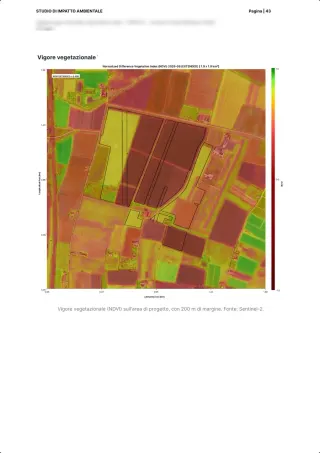
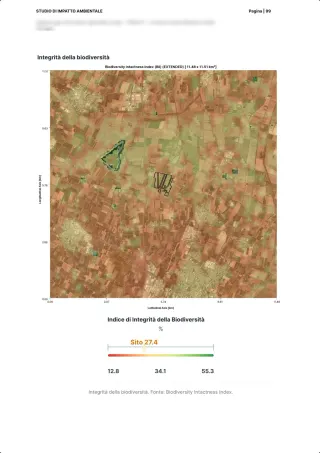
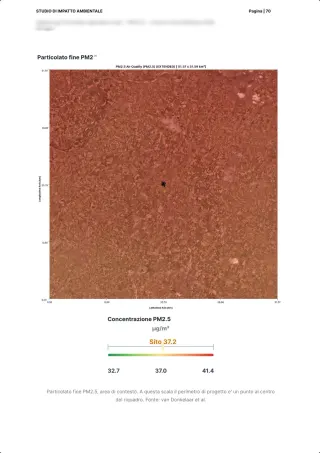
- 01Remote analysis across 60 hectaresThe project started with satellite analysis of the two parks via Remote Sensing. The analysis mapped vegetation cover, land use, nectariferous potential, nesting sites and MSA Land Use, comparing each park with the surrounding urban area. Results showed a significant ecological differential between the parks and the urban context, confirming the role of both sites as biodiversity refuges.
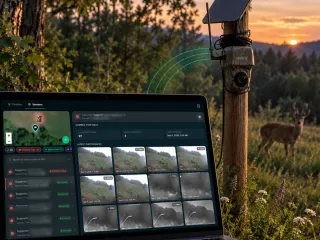
- 024 Spectrum sensors in the parks2 Spectrum sensors were installed per park for bioacoustic monitoring of wild pollinators, with a focus on Apoidea and Syrphidae. The sensors detect and classify species through sound analysis, producing continuous data on abundance, diversity and buzz frequency to assess the pollinator response to reduced mowing practices.
- 03XNatura Platform for integrated dataAll data flows into the XNatura Environmental Platform, which integrates satellite analysis and bioacoustic surveys for both sites. The Municipality has a dashboard with indicators on biodiversity, microclimate, climate risks and site-control comparison, usable to evaluate the effectiveness of reduced mowing and guide green space management policies at city scale.
- 04Expanding monitoring to other parksBased on pilot project results, the Municipality of Milan will be able to expand monitoring to other parks and green areas across the city, building an environmental data network to support urban planning decisions. The goal is to integrate biodiversity management into public green space maintenance policies at metropolitan scale.
What the data says
The monitoring data
The results highlight the ecological contribution of Milan's public parks compared to the surrounding urban fabric. At Parco Indro Montanelli, the MSA Land Use index reaches 68.1 compared to 23.1 for the control area, with a Δ of +45 confirming the park's ability to support significantly higher biodiversity than the urban context.
At Parco Monte Stella, the MSA Land Use stands at 71 compared to 39.5 for the control (Δ +31), while the Spectrum sensors detected over 8,400 pollinators. The presence of 5 protected areas within 5 km of the site confirms the park's role as a node in the urban ecological network. These data constitute the scientific basis for evaluating the effectiveness of reduced mowing practices and guiding the city's future public green space management policies.
Monitoring in action
Monitoring in action
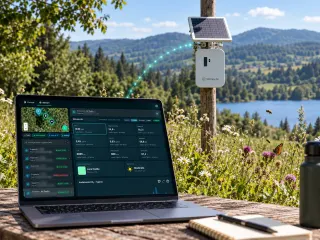
Key sections of the XNatura Environmental Platform dedicated to the Municipality of Milan's parks.
The platform
Access the XNatura Environmental Platform
The platform with which the Municipality of Milan monitors biodiversity and the effects of reduced mowing in public parks.
Log in to the platform →
FAQ
Frequently asked questions
What was the environmental challenge at Municipality of Milan?
Park maintenance can destroy what it should protect. Cities are among the most critical environments for biodiversity. Soil sealing, heat islands, pollution and habitat fragmentation drastically reduce urban ecosystems' ability to support life. Public parks are key green infrastructure for mitigating these impacts, yet traditional management can limit their ecological potential. Frequent mowing, intensive pruning and removal of spontaneous vegetation reduce resources for pollinators, accelerating biodiversity loss where it should be protected.
What method did XNatura use at Municipality of Milan?
A pilot project combining satellite analysis and bioacoustic monitoring to produce scientific evidence supporting public green space management policies.
What data came out of the Municipality of Milan project?
The results highlight the ecological contribution of Milan's public parks compared to the surrounding urban fabric. At Parco Indro Montanelli, the MSA Land Use index reaches 68.1 compared to 23.1 for the control area, with a Δ of +45 confirming the park's ability to support significantly higher biodiversity than the urban context. At Parco Monte Stella, the MSA Land Use stands at 71 compared to 39.5 for the control (Δ +31), while the Spectrum sensors detected over 8,400 pollinators. The presence of 5 protected areas within 5 km of the site confirms the park's role as a node in the urban ecological network. These data constitute the scientific basis for evaluating the effectiveness of reduced mowing practices and guiding the city's future public green space management policies.
What access does Municipality of Milan have to the XNatura platform now?
The platform with which the Municipality of Milan monitors biodiversity and the effects of reduced mowing in public parks.
Do you want to monitor the biodiversity of your green spaces?
XNatura supports public administrations, parks and urban operators in scientific biodiversity monitoring, with IoT technology, satellite analysis and data to support green space management policies.
Do you want to monitor the biodiversity of your green spaces?
XNatura supports public administrations, parks and urban operators in scientific biodiversity monitoring, with IoT technology, satellite analysis and data to support green space management policies.
More in Cities & real estate
 Affari Pubblici x VISA · Cities & real estateFrom parking lot to monitored green areaRead the case study
 American School of Milan · Cities & real estateA monitored Learning ForestRead the case study
 BAM · Cities & real estateNine hectares of measured biodiversity in the heart of MilanRead the case study