









Case study · Industry
Measure HQ impact, regenerate where nature can respond
Novo Nordisk launched a three-year project based on analysing the state and monitoring the biodiversity of the Rome headquarters and its context, using an integrated approach of remote analysis and Spectrum sensors. In parallel, the initiative includes environmental regeneration through the creation of a Biodiversity Oasis in Tuscany, consisting of 100 nectar-bearing plants and two technological beehives equipped with Hive-tech technology for monitoring.

Pharmaceuticals depend on nature, but impact its ecosystem services
The pharmaceutical sector impacts biodiversity mainly through the extraction and use of raw materials, water management and the modification of surrounding environments. The loss of pollinators, soil degradation and microclimate alteration reduce the availability of natural resources essential for production and product quality. The sector depends on stable ecosystems for raw material supply, climate regulation, water filtration and quality, which ensure the continuity and sustainability of the pharmaceutical supply chain.
The challenge
From ecological footprint to measurable regeneration
Novo Nordisk wanted to measure the ecological impact of the Rome headquarters, in a completely urbanised context, with accurate scientific data. In parallel, the goal was to generate measurable biodiversity through the creation of a monitored biodiversity oasis, turning data into a corporate culture tool.
What we did
Assessment, regeneration and monitoring across two sites
XNatura designed monitoring across two complementary sites (Rome HQ for impact and the Tuscany Oasis to regenerate) with IoT and scientific protocol.
In the field


How we did it
From assessment to measurable regeneration
A three-year pathway integrating satellite analysis, habitat regeneration, IoT monitoring and corporate engagement, with scientific data and reporting with metrics linked to major international frameworks.
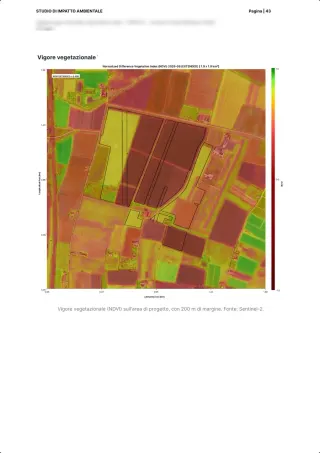
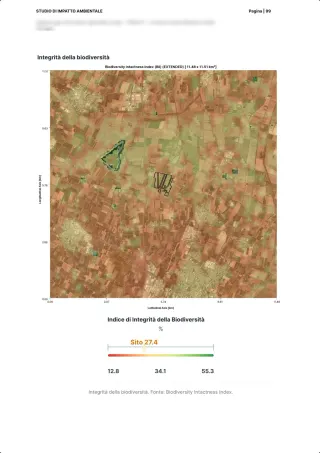
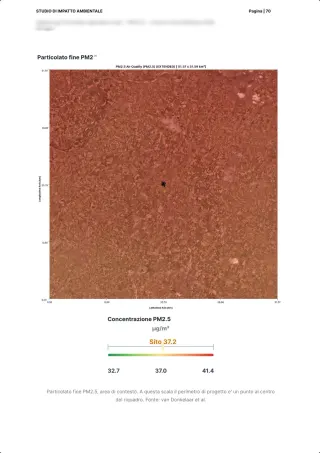
- 01Remote Sensing of HQ and OasisSatellite analysis with Remote Sensing of both sites. The Rome headquarters revealed a highly urbanised context, with almost entirely impermeabilised soil and absence of natural coverage. The Oasis in Tuscany presented a pre-regeneration baseline with biodiversity and tree density values from which to define intervention priorities.
- 02100 nectar-bearing plants and two technological beehivesIn the Oasis in Tuscany, 100 native nectar-bearing plants were planted to create an arboretum dedicated to biodiversity. Simultaneously, two Hive-Tech technological beehives were installed whose bees serve as ecosystem bioindicators. The combination of plants and beehives transformed the agricultural area into a rich and diversified habitat for pollinators.
- 03Bioacoustic sensors and integrated platformInstallation of bioacoustic Spectrum sensors at the Rome headquarters for continuous pollinator monitoring in the urban area. Data from Spectrum, Hive-Tech beehives and post-regeneration satellite analysis of the Oasis converge into the XNatura Environmental Platform, enabling comparison of pre and post-intervention values and verification of regeneration effectiveness.
- 04From data to employee engagementThe collected data feeds Novo Nordisk Italy's ESG pathway, with reporting that links the data to CSRD, TNFD and the GBF. Continuous monitoring contributes to strengthening pollinator protection activities and arboretum management.
What the data says
Impact measured across both sites
The Rome headquarters has an MSA Land Use of 5, with 100% of the soil occupied by artificial surfaces. The distance from the control area value is Δ 22, a structural gap linked to the completely urbanised context that does not allow on-site regeneration. Novo Nordisk's strategy therefore moves along two parallel tracks: monitoring the state of biodiversity at HQ and regenerating where nature can respond, measuring the improvement data.
The Oasis in Tuscany starts with an MSA Land Use of 52, ten times higher than the headquarters, with a distance from control of Δ 20. The gap is similar, but the context is opposite: permeable soil, existing vegetation cover and favourable conditions for ecological growth. The 100 nectar-bearing trees and the Hive-Tech beehive are the first interventions to progressively reduce this distance, with data measuring their effectiveness over time. The same methodology applied to both sites allows Novo Nordisk to distinguish where to act and where the focus must remain on mitigation.
Monitoring in action
Monitoring in action
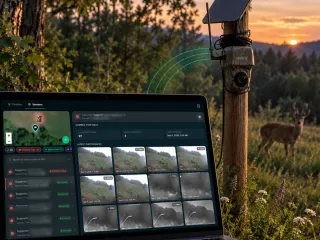
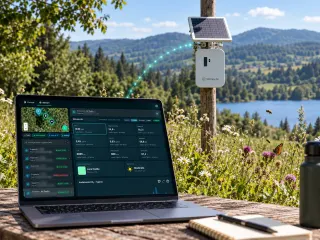
Key sections of the XNatura Environmental Platform dedicated to Novo Nordisk sites.
The platform
Access the XNatura Environmental Platform
The platform with which Novo Nordisk monitors biodiversity at the Rome headquarters and the Oasis in Tuscany.
Log in to the platform →
FAQ
Frequently asked questions
What was the environmental challenge at Novo Nordisk?
Pharmaceuticals depend on nature, but impact its ecosystem services. The pharmaceutical sector impacts biodiversity mainly through the extraction and use of raw materials, water management and the modification of surrounding environments. The loss of pollinators, soil degradation and microclimate alteration reduce the availability of natural resources essential for production and product quality. The sector depends on stable ecosystems for raw material supply, climate regulation, water filtration and quality, which ensure the continuity and sustainability of the pharmaceutical supply chain.
What method did XNatura use at Novo Nordisk?
A three-year pathway integrating satellite analysis, habitat regeneration, IoT monitoring and corporate engagement, with scientific data and reporting with metrics linked to major international frameworks.
What data came out of the Novo Nordisk project?
The Rome headquarters has an MSA Land Use of 5, with 100% of the soil occupied by artificial surfaces. The distance from the control area value is Δ 22, a structural gap linked to the completely urbanised context that does not allow on-site regeneration. Novo Nordisk's strategy therefore moves along two parallel tracks: monitoring the state of biodiversity at HQ and regenerating where nature can respond, measuring the improvement data. The Oasis in Tuscany starts with an MSA Land Use of 52, ten times higher than the headquarters, with a distance from control of Δ 20. The gap is similar, but the context is opposite: permeable soil, existing vegetation cover and favourable conditions for ecological growth. The 100 nectar-bearing trees and the Hive-Tech beehive are the first interventions to progressively reduce this distance, with data measuring their effectiveness over time. The same methodology applied to both sites allows Novo Nordisk to distinguish where to act and where the focus must remain on mitigation.
What access does Novo Nordisk have to the XNatura platform now?
The platform with which Novo Nordisk monitors biodiversity at the Rome headquarters and the Oasis in Tuscany.
Want to monitor biodiversity at your corporate site?
XNatura supports pharmaceutical and industrial companies in monitoring and regenerating biodiversity, with IoT technology, satellite analysis and scientific protocols, measuring impact with scientific data integrated into the ESG pathway.
Want to monitor biodiversity at your corporate site?
XNatura supports pharmaceutical and industrial companies in monitoring and regenerating biodiversity, with IoT technology, satellite analysis and scientific protocols, measuring impact with scientific data integrated into the ESG pathway.
More in Industry
 AGM Inks · IndustryMonitoring and regeneration of biodiversity at corporate sitesRead the case study
 Argor-Heraeus · IndustryFrom Mendrisio to Colombia, biodiversity is measured on a global scaleRead the case study
 Bracco · IndustryFrom pilot project to global programme of biodiversity monitoringRead the case study