










Case study · Cities & real estate
An industrial roof becomes a refuge for biodiversity
Redevelopment of the SuperLab Bicocca rooftop into a habitat for wild pollinators: shelters for solitary bees, butterflies and ladybugs, environmental monitoring with PollyX and satellite mapping.

Consumed soil and fragmented habitats in industrial Milan
The manufacturing sector generates direct impacts on land use through its infrastructure and depends on the stability of local ecosystems for operational resilience. In a city like Milan, where consumed soil fragments habitats and amplifies climate risks, biodiversity loss is not just an ecological problem: it reduces the thermal regulation capacity of buildings, impoverishes the urban ecological network and increases infrastructure vulnerability to extreme climate events.
The challenge
Verifying whether a rooftop can produce real ecological impact
Prometeon needed to verify whether the SuperLab rooftop could produce a real, measurable ecological effect rather than a cosmetic operation on the site. A monitoring system was needed to compare rooftop conditions with the urban context, producing objective data for scaling across Group sites.
What we did
Pollinator shelters, IoT sensors and satellite on 4,200 m² of roof
XNatura designed an integrated biodiversity monitoring and regeneration system on the SuperLab Bicocca rooftop with shelters, IoT sensors and satellite.
In the field


How we did it
From satellite to the rooftop
A project that integrates remote sensing, wild pollinator shelters and IoT monitoring to transform an industrial roof into a node of the urban ecological network.
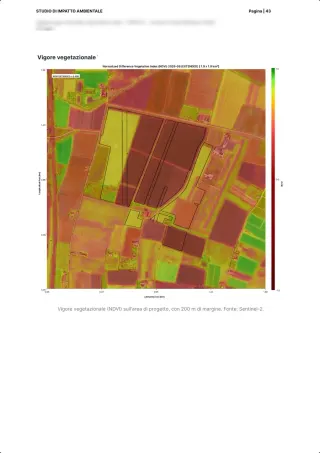
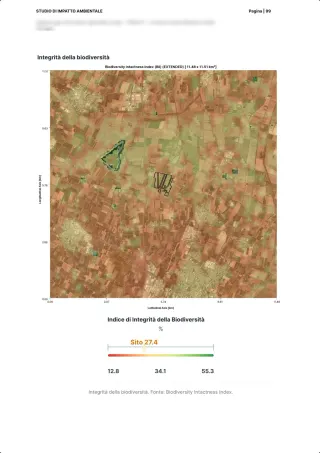
- 01Mapping ecological potentialBefore intervening on the rooftop, the context needed to be understood. Satellite analysis of the area surrounding the SuperLab produced a biodiversity potential map of the Bicocca district: land cover, vegetation indices, existing green areas and distance from main urban ecological corridors. Results confirmed that the rooftop could function as a stepping stone between nearby green spaces.
- 0230 devices on the SuperLab rooftop16 Polly Houses for solitary bees, 7 butterfly houses and 7 ladybug houses were installed on the roof, alongside native nectar-bearing plant species selected to provide food resources for pollinators in the Milanese urban context. The Polly Houses, made from PFSC-certified wood in collaboration with young people with mild disabilities, host Osmia bicornis, harmless solitary bees and among Europe's most effective pollinators.
- 03Continuous environmental monitoringA PollyX, an IoT sensor for air quality monitoring, was installed on the rooftop to continuously detect PM10, PM2.5, particulate concentration and size, temperature and humidity. The data, transmitted to the XNatura platform, allows correlating environmental conditions with pollinator presence and evaluating habitat quality over time.
- 04From one roof to a network of rooftopsFirst-year data feeds into the XNatura platform, where Prometeon can visualize the evolution of biodiversity on the rooftop and compare it with the surrounding urban context. The goal is to consolidate the model and replicate it at other company sites, creating a network of stepping stones that strengthens urban ecological connectivity.
What the data says
Data from the rooftop
The 30 shelters installed on the SuperLab rooftop demonstrated that an urban roof can generate concrete ecological impact. The 16 Polly Houses hosted approximately 6,800 solitary bees (est.), documenting a significant presence even in a densely urbanized context. The butterfly and ladybug houses attracted approximately 21 and 350 individuals respectively (est.), diversifying the community of pollinators and beneficial predators present on the roof.
The most significant finding is that the rooftop functioned as a stepping stone: pollinators did not merely occupy the shelters but used the rooftop garden as a resting and foraging point in the Bicocca district's ecological network. The approximately 1,200 plant species detections (est.) confirm that the introduced native nectar-bearing plants provide sufficient resources to sustain the established populations.
Monitoring in action
Monitoring in action
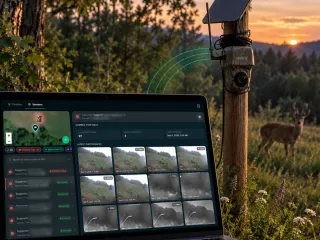
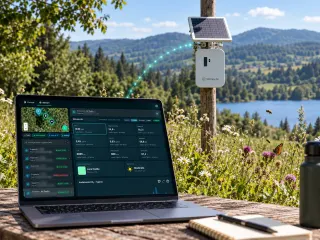
Key sections of the XNatura Environmental Platform dedicated to the SuperLab Bicocca rooftop.
The platform
Access the XNatura Environmental Platform
The platform with which Prometeon monitors biodiversity and environmental quality of the SuperLab Bicocca rooftop.
Log in to the platform →
FAQ
Frequently asked questions
What was the environmental challenge at Prometeon?
Consumed soil and fragmented habitats in industrial Milan. The manufacturing sector generates direct impacts on land use through its infrastructure and depends on the stability of local ecosystems for operational resilience. In a city like Milan, where consumed soil fragments habitats and amplifies climate risks, biodiversity loss is not just an ecological problem: it reduces the thermal regulation capacity of buildings, impoverishes the urban ecological network and increases infrastructure vulnerability to extreme climate events.
What method did XNatura use at Prometeon?
A project that integrates remote sensing, wild pollinator shelters and IoT monitoring to transform an industrial roof into a node of the urban ecological network.
What data came out of the Prometeon project?
The 30 shelters installed on the SuperLab rooftop demonstrated that an urban roof can generate concrete ecological impact. The 16 Polly Houses hosted approximately 6,800 solitary bees (est.), documenting a significant presence even in a densely urbanized context. The butterfly and ladybug houses attracted approximately 21 and 350 individuals respectively (est.), diversifying the community of pollinators and beneficial predators present on the roof. The most significant finding is that the rooftop functioned as a stepping stone: pollinators did not merely occupy the shelters but used the rooftop garden as a resting and foraging point in the Bicocca district's ecological network. The approximately 1,200 plant species detections (est.) confirm that the introduced native nectar-bearing plants provide sufficient resources to sustain the established populations.
What access does Prometeon have to the XNatura platform now?
The platform with which Prometeon monitors biodiversity and environmental quality of the SuperLab Bicocca rooftop.
Do you want to monitor biodiversity at your company site?
XNatura supports companies, municipalities and protected areas in monitoring and regenerating biodiversity, with pollinator shelters, IoT sensors, satellite mapping and validated scientific protocols, producing data that can be integrated into ESG and reporting frameworks.
Do you want to monitor biodiversity at your company site?
XNatura supports companies, municipalities and protected areas in monitoring and regenerating biodiversity, with pollinator shelters, IoT sensors, satellite mapping and validated scientific protocols, producing data that can be integrated into ESG and reporting frameworks.
More in Cities & real estate
 Affari Pubblici x VISA · Cities & real estateFrom parking lot to monitored green areaRead the case study
 American School of Milan · Cities & real estateA monitored Learning ForestRead the case study
 BAM · Cities & real estateNine hectares of measured biodiversity in the heart of MilanRead the case study