









Resources / FAQ / Standards & assessments
Resources · FAQ · Standards & assessments
Regenerative Agriculture: What It Is and How to Monitor Its Effectiveness with XNatura
Let's explore the transformative role of regenerative agriculture, a holistic approach aimed at restoring the health of soil and agricultural ecosystems, working with nature to improve soil fertility, biodiversity, and water management, with the goal of increasing resilience to climate change and capturing carbon. Discover how the XNatura platform provides the necessary tools to measure, verify, and validate the real restoration of agroecosystems.
Questions & answers
1. What is regenerative agriculture and what is its purpose?
Regenerative agriculture is an approach that goes beyond simple sustainability: while traditional agriculture tends to extract resources and organic farming merely reduces chemical inputs, regenerative farming aims at the active restoration of soil health, biodiversity, and ecosystem functions. The goal is to rebuild organic matter and strengthen the natural resilience of agricultural systems through precise operational practices that aim to protect microbial life and enhance carbon sequestration while minimizing soil tillage, preventing erosion, and increasing stability and productivity of ecosystems by diversifying crops. Furthermore, it is referred to as a holistic approach because regenerative agriculture integrates cultivation and livestock, aimed at recycling nutrients through managed grazing.
2. How is the success of regeneration calculated and monitored?
According to Riccardo Balzaretti, Head of Science at XNatura, "biodiversity is the indicator to determine if regeneration is truly occurring." To credibly monitor this process, a data-driven approach is necessary that considers six fundamental pillars: Biodiversity: enhancing biological diversity above and below ground. Soil health: increasing organic matter and water retention. Carbon and climate resilience: CO2 sequestration in soils and adaptation to climatic variability. Water management: optimizing quality and reducing water stress. Functionality of ecosystems: reducing dependence on external inputs. Economic sustainability: ensuring stability of yields and financial resilience in the long term.
3. How does XNatura support the monitoring of regenerative agriculture?
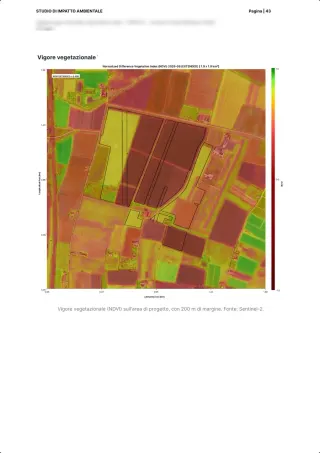
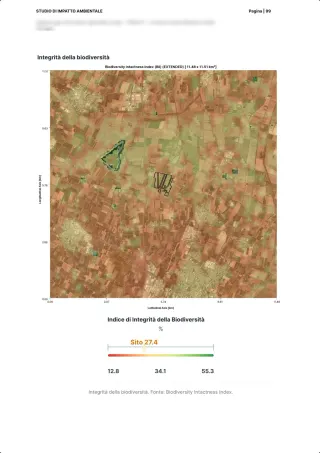
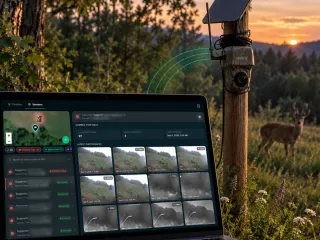
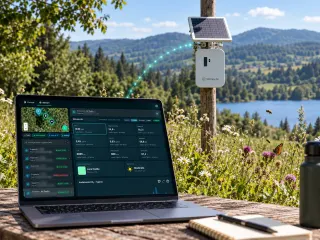
XNatura provides an integrated platform that combines remote sensing and IoT sensors to demonstrate the effectiveness of regenerative practices throughout the LEAP (Locate, Evaluate, Assess, Prepare) approach. A. Baseline and satellite analysis (Locate & Evaluate). Ecological mapping: uses satellite imagery to define land use and identify biodiversity hotspots or areas at risk of erosion and drought. Quantification of services: assesses dependencies and impacts on ecosystem services like pollination and carbon sequestration at the individual field level. B. Direct monitoring with IoT sensors (Assess). Spectrum: a bioacoustic sensor that detects the presence and abundance of pollinators, key indicators of ecosystem health. Birdy: a bioacoustic sensor that measures bird diversity, providing a tangible measure of habitat restoration. Hive-tech: a biomonitoring sensor installed on hives, capable of estimating vital parameters of honeybee colonies. Camera traps: a system that captures images and videos from the field to document wildlife movement. MSA (Mean Species Abundance): the platform calculates the Mean Species Abundance to compare regenerative outcomes against sector benchmarks or control areas. C. Scenario analysis and reporting (Prepare). Effectiveness forecasting: through scenario analysis, farmers and stakeholders can simulate different land management strategies to optimize carbon sequestration and biodiversity. Regulatory compliance: XNatura automates the preparation of reports aligned with major international standards (TNFD, SBTN, CSRD), ensuring transparency and traceability for all stakeholders. Do you want to scientifically validate the progress of your regenerative agriculture projects? Explore XNatura and discover how our data-driven approach can support you.
See it live