










Case study · Agrifood
From the Oasis to the croissant: Mielissa honey is born from biodiversity
A Biodiversity Oasis with 1,500 nectar-producing plants in Sardinia produces the organic honey that becomes the sole sweetener of Mielissa, the Tre Marie croissant. From habitat regeneration to product supply chain, every phase is monitored with scientific data.

When an ingredient depends on environmental conditions
The honey supply chain impacts biodiversity through the management of agricultural and natural land, the use of pesticides and the reduction of nectar habitats, which fragment ecosystems and reduce the diversity of plants and pollinators. The loss of plant and animal species compromises the availability of resources for colonies and alters local ecological processes. The sector depends on healthy and diversified ecosystems to ensure rich nectar habitats, resilient bee colonies and the maintenance of biodiversity necessary for sustainable honey production.
The challenge
An organic honey traceable from the Oasis to the product for Mielissa
Sammontana wanted to create Mielissa, a Tre Marie croissant sweetened with traceable organic honey linked to biodiversity regeneration. A project was needed to create the conditions for honey production, monitor regenerative impact via site-control comparison and ensure Mielissa's honey came from the Oasis.
What we did
From the Oasis to the croissant: 1,500 plants, monitoring and supply chain
XNatura built the Sammontana Biodiversity Oasis in Sardinia: 1,500 nectar-producing trees of 11 species to maximise nectar and pollen output. The Oasis organic honey is the sole sweetener of Tre Marie Mielissa croissant.
In the field


How we did it
From the Oasis to the Mielissa croissant
A project that starts from the regeneration of an ecosystem and reaches the finished product: planting, scientific monitoring and a traceable organic honey supply chain.
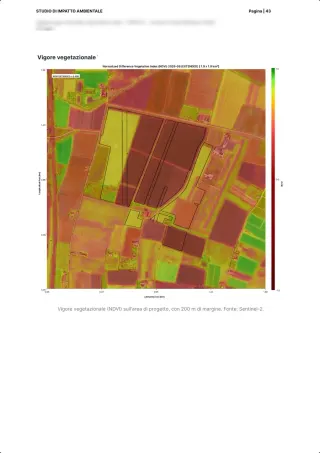
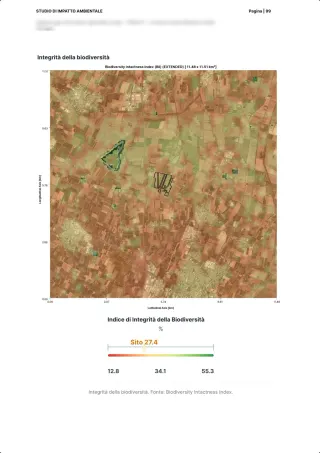
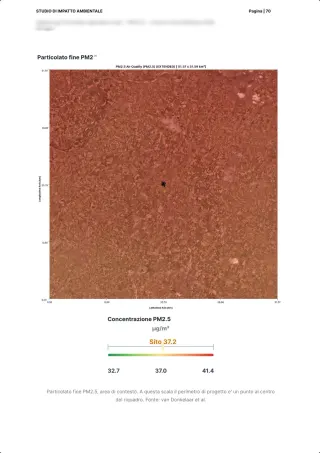
- 01Ecological assessment and Oasis designSatellite analysis mapped the intervention area and the surrounding territory as a control area, producing the biodiversity indices baseline: MSA Land Use, nectar-producing potential, relative pollinator abundance. These data defined the starting point for measuring the impact of regeneration.
- 02Planting of 1,500 nectar-producing trees1,500 nectar-producing trees of 11 species were planted in the Oasis in Sardinia. The species were selected to ensure staggered flowering throughout the year and maximise nectar and pollen production, creating the conditions for the production of the organic honey that becomes the sole sweetener of Mielissa.
- 03Measured regenerative impactSatellite and sensor data were integrated to compare the ecological conditions of the estate with the control area. The site-control comparison quantifies the difference in terms of MSA, nectar-producing potential, pollinator diversity and soil cover, documenting the regenerative impact of the Oasis with scientific evidence.
- 04From Oasis honey to the Mielissa productThe data flow into the XNatura Environmental Platform, where Sammontana monitors the evolution of the Oasis. The site has already reached four of the five platform regeneration objectives. The organic honey produced in the Oasis is harvested, certified and used as the sole sweetener of Mielissa, the Tre Marie croissant: a product whose supply chain starts from the regeneration of an ecosystem and reaches the consumer with scientific data to support it.
What the data says
Data from the Oasis that produces Mielissa honey
The Oasis records a delta of +31 on the MSA Land Use index compared to the control area, confirming that the planting intervention has generated a significant and measurable improvement in biodiversity. The delta of +3 in relative pollinator abundance indicates that the Oasis is attracting and sustaining a richer pollinator community compared to the surrounding territory, an essential condition for the production of the organic honey used in Mielissa.
The Oasis's nectar-producing potential exceeds the control by +94 points, a direct result of the 1,500 nectar-producing plants of 11 species with staggered flowering. The Oasis has reached four of the five platform regeneration objectives: Match Neighbour, Match Benchmark, Regenerate 30% and Half Earth. The honey produced by bees foraging on the Oasis's blooms is the same organic honey that sweetens Mielissa: a croissant whose supply chain starts from the regeneration of a scientifically monitored ecosystem.
Monitoring in action
Monitoring in action
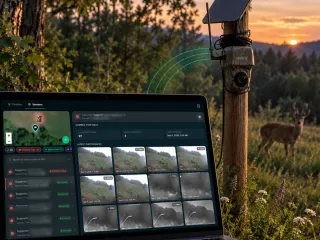
Key sections of the XNatura Environmental Platform dedicated to Sammontana - Tre Marie.
The platform
Access the XNatura Environmental Platform
The platform with which Sammontana monitors the evolution of the Biodiversity Oasis and documents the regenerative impact with data comparable over time.
Log in to the platform →
FAQ
Frequently asked questions
What was the environmental challenge at Tre Marie?
When an ingredient depends on environmental conditions. The honey supply chain impacts biodiversity through the management of agricultural and natural land, the use of pesticides and the reduction of nectar habitats, which fragment ecosystems and reduce the diversity of plants and pollinators. The loss of plant and animal species compromises the availability of resources for colonies and alters local ecological processes. The sector depends on healthy and diversified ecosystems to ensure rich nectar habitats, resilient bee colonies and the maintenance of biodiversity necessary for sustainable honey production.
What method did XNatura use at Tre Marie?
A project that starts from the regeneration of an ecosystem and reaches the finished product: planting, scientific monitoring and a traceable organic honey supply chain.
What data came out of the Tre Marie project?
The Oasis records a delta of +31 on the MSA Land Use index compared to the control area, confirming that the planting intervention has generated a significant and measurable improvement in biodiversity. The delta of +3 in relative pollinator abundance indicates that the Oasis is attracting and sustaining a richer pollinator community compared to the surrounding territory, an essential condition for the production of the organic honey used in Mielissa. The Oasis's nectar-producing potential exceeds the control by +94 points, a direct result of the 1,500 nectar-producing plants of 11 species with staggered flowering. The Oasis has reached four of the five platform regeneration objectives: Match Neighbour, Match Benchmark, Regenerate 30% and Half Earth. The honey produced by bees foraging on the Oasis's blooms is the same organic honey that sweetens Mielissa: a croissant whose supply chain starts from the regeneration of a scientifically monitored ecosystem.
What access does Tre Marie have to the XNatura platform now?
The platform with which Sammontana monitors the evolution of the Biodiversity Oasis and documents the regenerative impact with data comparable over time.
Do you want to measure the biodiversity of your regeneration project?
XNatura supports farms, supply chains and consortia in biodiversity monitoring with IoT sensors, satellite mapping, site-control comparison and validated scientific protocols.
Do you want to measure the biodiversity of your regeneration project?
XNatura supports farms, supply chains and consortia in biodiversity monitoring with IoT sensors, satellite mapping, site-control comparison and validated scientific protocols.
More in Agrifood


