







 MASE projects
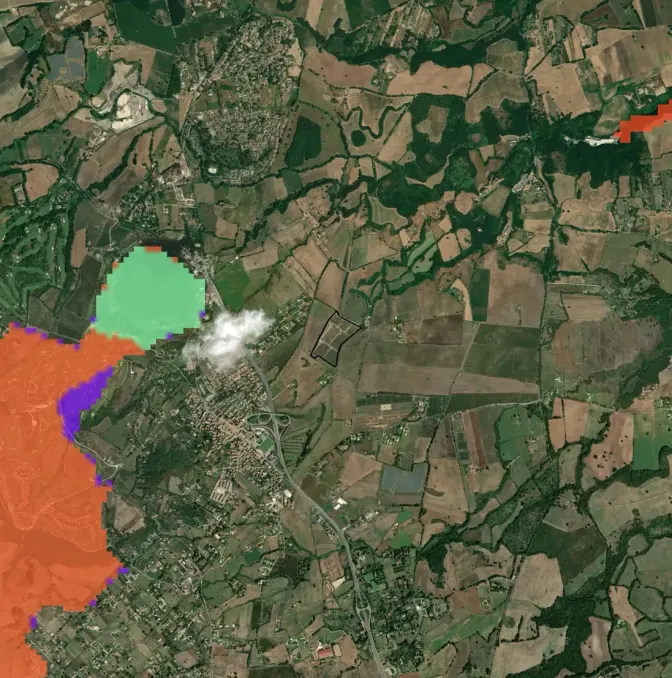
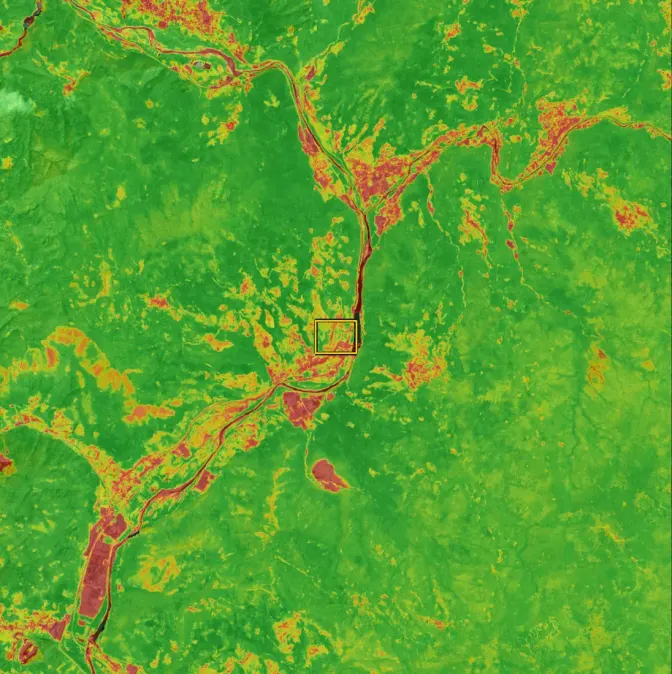
 Wildfires worldwide
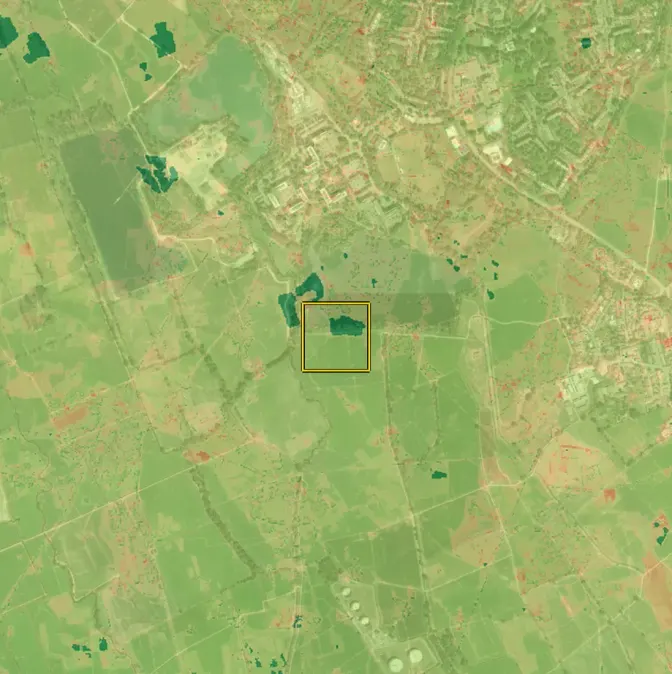
 Species worldwide
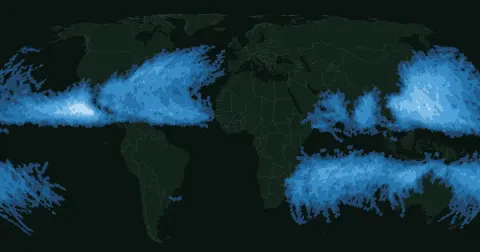 Tropical cyclones
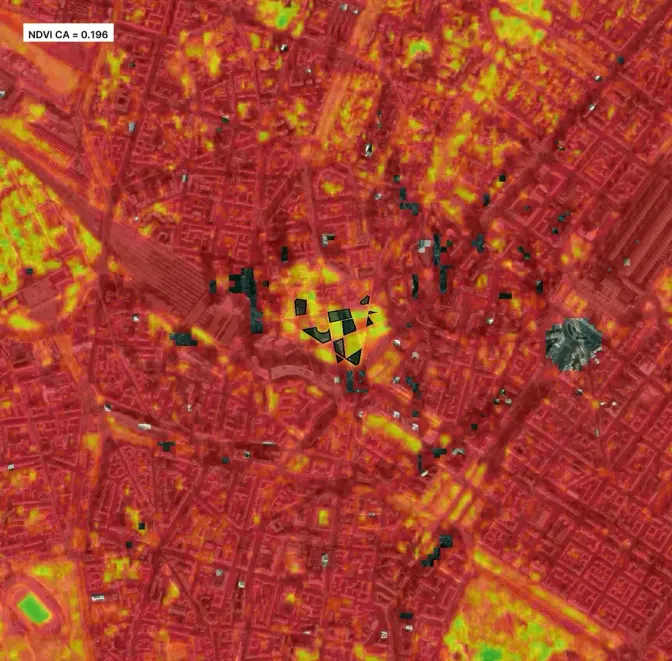
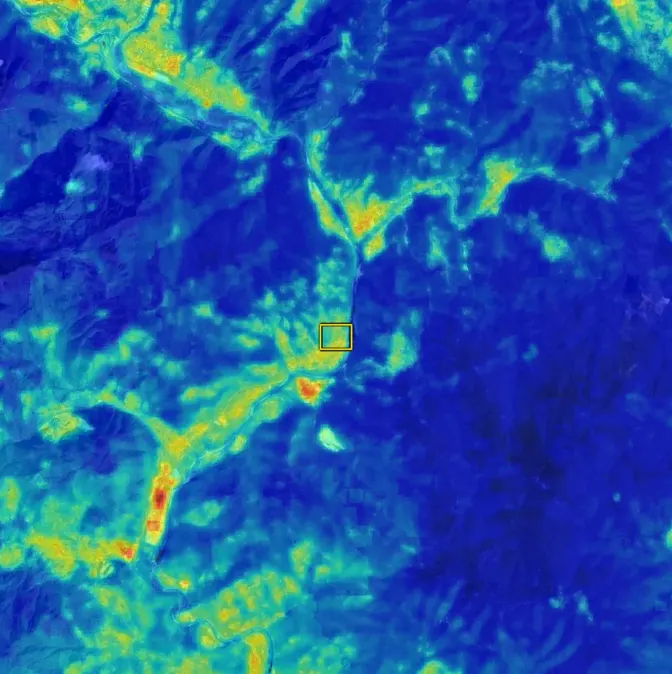
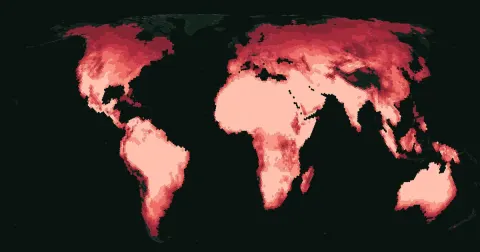 Extreme heat


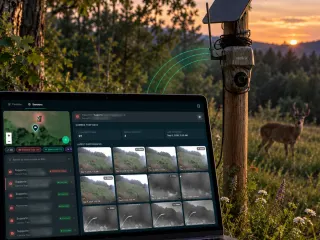
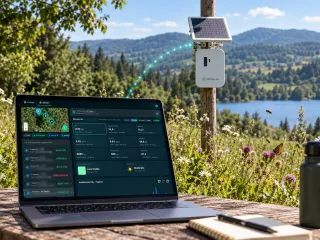

Industries · Energy
The ecologist built for solar, agrivoltaics and wind.
Nature speaks. We listen.
From site selection to post-construction monitoring, one team of ecologists covers your plant's whole environmental impact: site screening in one business day, the environmental impact study, Appropriate Assessment support, monitoring of pollinators, birds and habitats, climate and wildfire risk. Reports signed by named ecologists, in the format regulators, lenders and auditors ask for.

CubicoRWEEnerywpdSchroders GreencoatEdison NextA2A
Across the portfolio
- 200+
- projects monitored
- 12
- countries, 4 continents
- 8,000+How it is calculated8,000+ sensors registered on the platform, of every type: hive scales, Spectrum, anti-theft trackers, Birdy, camera traps, Kiro, Sintropy Air, Song Meter and noise and air stations.Source: XNatura platform device register, as of 3/11/2026
- registered IoT sensors
- 150+How it is calculated157 map layers out of 160 processing types in the platform's register: satellite, official maps and models.Source: XNatura platform register, counted on 18/10/2026
- map layers: satellite, official maps and models
What is at stake for Energy operators
- 988 days for an EIAThe median length of 618 completed state-level EIA procedures in Italy, from the Ministry's portal. Every request for more data on habitats, birds or Natura 2000 sites adds months.XN Impact · XN Biodiversity
- Conditions to prove every yearEIA decrees prescribe monitoring before, during and after construction: pollinators and habitats on agrivoltaics, birds and bats on wind. Without continuous data, every campaign starts from zero.XN Biodiversity · XN Impact
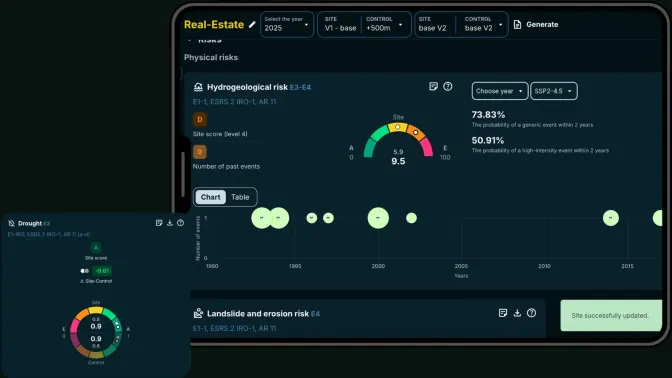
- Climate and wildfire on the assetHeat, drought, flood and wildfire under IPCC scenarios weigh on yield, insurance and lender covenants, around solar fields and along the lines.XN Clima · XN FireSight
Across the life of the plant
One partner, from the site to post-construction.
Five moments, the same team and the same site model: what you measure before the permit is the baseline you compare against once the plant runs.
- 01
Origination
Site selection
Habitats, protected areas, Natura 2000 and constraints in one business day, free. Plus the projects nearby from the Ministry's EIA register: 2,977 projects. - 02
Permitting
Environmental impact study
For solar and agrivoltaics the SOLACE engine writes the full study on 373 requirements of Annex VII of Legislative Decree 152/2006, with maps for every component. For wind, the natural chapters and Appropriate Assessment. - 03
Construction
Monitoring before and during works
Spectrum for pollinators, Birdy for birds, camera traps for mammals, always measured against a control area. - 04
Operation
Post-construction monitoring
Year after year on the same points, with mitigation designed on the data: 240 native nectar plants on the wpd wind site, hives and sensors inside the Cubico solar plant. - 05
Finance
Lenders and reporting
Physical climate and wildfire risk for lenders and insurers, data ready for ESRS E4 and TNFD, biodiversity credits under UNI/PdR 179.
Recommended for Energy
Three products cover most Energy portfolios.
Start from the one your next deadline needs; the others plug into the same site model.
- XN Impact
Environmental Impact Intelligence System
Site screening in one business day, the full impact study for solar and agrivoltaics, natural chapters and Appropriate Assessment support for wind.Learn more - XN Biodiversity
Biodiversity & Nature Management System
Baseline and monitoring before and after construction, with field sensors measured against a control area.Learn more - XN Clima
Climate Risk Intelligence System
Portfolio ranking by physical climate risk, for lenders and boards.Learn more
Energy projects
Monitored energy sites, from Sicily to the North Sea.
drag to rotate · pick a pin, open its case study
ITItaly · solar portfolioCubicoEnergyXN BIODIVERSITYRead the case studyAll case studiesEnergy case studies
 Cubico · EnergySolar energy and biodiversity measured in the same fieldRead the case study
 RWE · EnergyTowards agrivoltaics: biodiversity and energy productionRead the case study
 WPD · EnergyTurning biodiversity from constraint to advantage for wind permittingRead the case study
 Edison Next · EnergyBiodiversity measured next to the biomethane plantRead the case study
 Edison ReGeA · EnergyFrom former ash deposit to biodiversity laboratoryRead the case study
Example reports
See what you receive: real reports, anonymised
Deliverables our experts signed for real clients, with names, places and coordinates removed. Pick one, leave your details and download the PDF straight away.
Your report is ready.
Open it now. If it fits a project of yours, an expert from the team may follow up.
Download the PDF ↓The request did not go out. Try again in a minute: what you wrote is still here. Or write to info@3bee.com.
FAQ
Frequently asked questions
Why is it important to monitor biodiversity in the energy sector?
Energy companies significantly impact land use. Monitoring these impacts allows for the reduction of environmental issues, having the data regulations ask for and promoting practices that strengthen ecological resilience.
Do you write the whole EIA or only the nature part?
For solar and agrivoltaic plants the SOLACE engine writes the full environmental impact study: planning framework, baseline for every environmental component, cumulative effects, mitigation and monitoring plan. The design parts stay with the proponent. For wind we cover the natural chapters and support the Appropriate Assessment.
What do you monitor on an agrivoltaic plant?
Pollinators with Spectrum sensors, land use and the MSA biodiversity index from satellite against a control area, microclimate and the protected areas nearby. For RWE we installed the sensors on 176 hectares in Sicily before the panels: about 2,975 pollinators in 17 clusters, the baseline the post-construction monitoring will be compared against.
How do you handle birds and bats on wind farms?
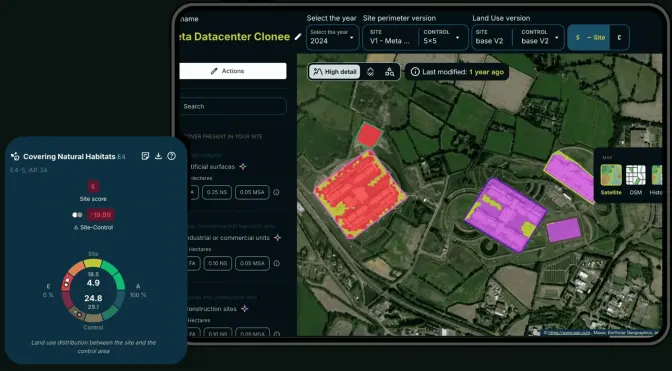
Birdy listens day and night and recognises bird species from their song; Kiro, for bat ultrasound, is being tested in the field. On the wpd wind site the comparison with the control area gave an MSA gap of 1.3 points (31.5 against 32.8): a limited impact, documented for the permit.
How fast can we start?
The site screening arrives within one business day and is free. For a portfolio already in operation, send us the plant list: the nature and climate risk ranking arrives in two weeks.