










XN Biodiversity · TNFD
TNFD: the LEAP approach, with the data of every site
The TNFD asks companies to understand where they depend on nature and where they affect it, starting from places. Our reports follow the four phases of the LEAP approach with the data of each site; strategy choices and disclosure stay with the company.

The framework
Four phases to reach the 14 recommendations
In September 2023 the Taskforce on Nature-related Financial Disclosures published 14 recommended disclosures: the 11 of the TCFD plus three new ones. To get there it proposes the LEAP approach, which the GRI 101 biodiversity standard also points to.
- L
Locate
Where the company interfaces with nature: its sites, the ecosystems and the sensitive areas around them.
- E
Evaluate
Its dependencies and impacts on nature, site by site.
- A
Assess
The risks and opportunities that follow for the company.
- P
Prepare
The response and the disclosure: strategy, targets, metrics.
Sources: TNFD, recommendations (September 2023) · TNFD, introduction to the recommendations (IFRS, 2025)
The platform's data
Locate and Evaluate on site data, Assess and Prepare with the company
The LEAP templates of our platform follow the four phases chapter by chapter. Here is what comes from the data and what does not.
From the data
- Locate: the sites, their extent and the protected areas and Natura 2000 sites around them
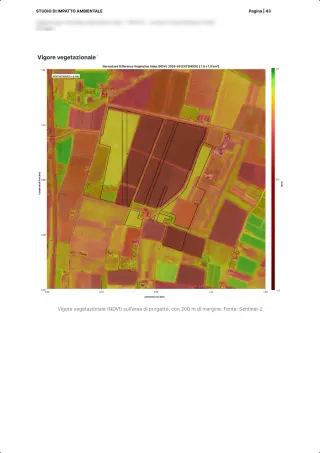
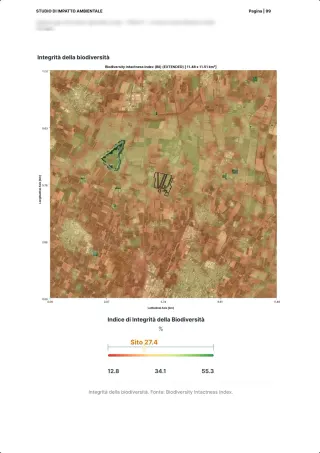
- The state of nature of each site: MSA, land use and its change, habitats, NDVI
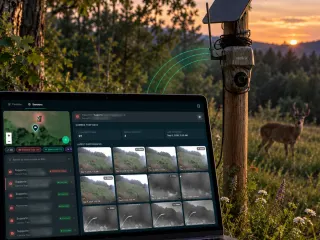
- Field measurements: pollinators and birds from the sensors
In part
- Evaluate: impacts and dependencies estimated with ENCORE, to be confirmed with the company
- Assess: a first reading of the risks per site, which the company completes with its own figures
Stays with the company
- Strategy, governance and risk management in its own disclosure
- The targets and metrics it chooses and publishes
- Engagement with communities and affected stakeholders
The reports
A sheet per site, linked to the frameworks
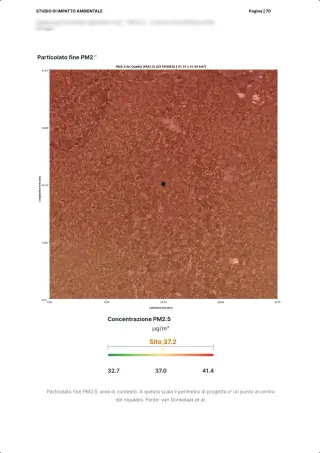
In the example multisite report every site has its own sheet: area, land use, state of biodiversity, each with the TNFD, GRI 101 and ESRS E4 metrics it relates to. The report also states what it does not yet contain: a full double materiality assessment.
Example reports
See what you receive: real reports, anonymised
Deliverables our experts signed for real clients, with names, places and coordinates removed. Pick one, leave your details and download the PDF straight away.
Your report is ready.
Open it now; a strategist may follow up if it fits a project of yours.
Download the PDF ↓Our systems are temporarily unreachable and the request did not go through. Try again, or write to info@3bee.com.
FAQ
Questions on the TNFD
Is your report TNFD compliant?
The TNFD does not certify compliance: it gives recommendations that the company adopts in its own disclosure. Our report brings the site data that the Locate and Evaluate phases ask for and links it to the TNFD metrics; the disclosure remains the company's.
Do I need ESRS E4 as well?
They are two frameworks that speak to each other: the TNFD is voluntary, ESRS E4 applies to companies within the CSRD when biodiversity is material. The same site data serves both.
Where do we start?
From the list of sites, with coordinates or perimeters: that is the Locate step. With it we measure the distance from protected areas and the state of nature of each site.
30 minutes with the team, on XN Biodiversity.
Video call on Google Meet
Would you rather talk it through?
Either way you are speaking with an AI assistant, and the conversation is transcribed. How we handle your data